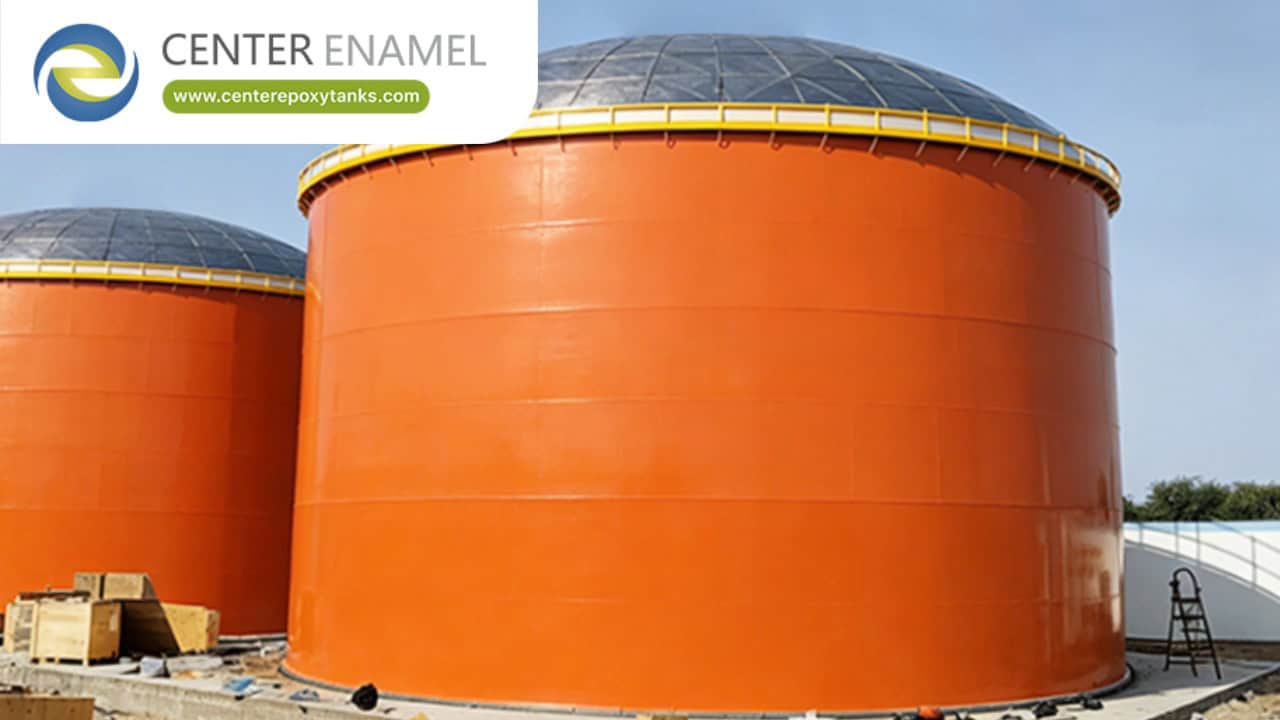
Welded Carbon Steel Tanks for Potable Water: Engineering Strength, Compliance, and Longevity
Municipal water authorities, commercial developers, and civil engineering firms require robust, high-capacity containment systems to guarantee clean and reliable drinking water reserves. Whether supporting municipal distribution networks (clearwells), emergency fire suppression reserves, or community water treatment plants, the infrastructure must withstand massive hydrostatic pressures, seismic loads, and rigorous environmental factors.
Among available heavy-duty solutions, welded carbon steel tanks for potable water represent the gold standard for monolithic structural integrity and long-term durability. Designed and fabricated in strict accordance with AWWA D100 standards and lined with certified protective coatings, these engineered reservoirs provide unmatched reliability for municipal and industrial water storage.
Core Engineering Principles and Standards Compliance
The design and construction of welded carbon steel potable water reservoirs are governed by precise engineering criteria to ensure safety, water purity, and structural longevity:
AWWA D100 Structural Compliance: The American Water Works Association (AWWA) D100 standard establishes comprehensive specifications for welded carbon steel tanks. It dictates rigorous calculations for minimum shell wall thickness based on diameter and height, wind load resistance, and foundation engineering to handle extreme weather conditions.
NSF/ANSI 61 Certified Interior Coatings: Because carbon steel can corrode or leach impurities if left bare, interior surfaces are treated with specialized liquid or powder coatings certified under NSF/ANSI 61 (Drinking Water System Components—Health Effects). These high-grade epoxy or polyurethane linings form an inert, non-toxic barrier that isolates the water from the metal, preserving absolute water purity.
Monolithic Welded Integrity: Unlike modular or bolted configurations, welded tanks utilize full-penetration butt welds on horizontal and vertical shell joints. Executed by certified welding professionals and verified through rigorous Non-Destructive Testing (NDT)—such as radiographic and ultrasonic testing—this monolithic construction eliminates joint leakage risks.
Seismic and Wind Load Engineering: Engineered to meet or exceed regional building codes and ASCE 7 seismic guidelines, welded steel reservoirs incorporate heavy anchor chairs, seismic rings, and flexible pipe connections to absorb dynamic ground motions without cracking.
Data Table: Comprehensive Comparison of Potable Water Storage Options
Technical Parameter | Welded Carbon Steel Tanks | Bolted Steel Tanks | Cast-in-Place Concrete Basins |
Structural Integrity | Monolithic welded steel shell offering superior pressure and seismic resistance | Modular panel design joined with gaskets and high-tensile hardware | Heavy monolithic concrete mass, but prone to micro-cracking under stress |
Construction & Installation | Field-erected or shop-built with certified full-penetration welding | Rapid modular bolting with pre-coated panels | Slow civil construction requiring weeks of framing, pouring, and curing |
Corrosion & Leak Defense | High reliability with NSF 61 certified internal epoxy linings and AWWA D102 coatings | Excellent factory powder coating, though gasket interfaces require long-term monitoring | Prone to concrete carbonation, groundwater seepage, and joint leakage over time |
Lifespan & Maintenance | 40 to 50+ years with periodic exterior repainting and internal coating renewals | 30 to 40 years with occasional gasket and hardware inspections | 30 to 50 years, though repairing structural concrete cracks is complex and costly |
Frequently Asked Questions (FAQ)
Q: What is the primary design standard for welded carbon steel potable water tanks?
A: They are designed, fabricated, and tested in accordance with ANSI/AWWA D100 (Welded Carbon Steel Tanks for Water Storage), which ensures structural safety under wind, seismic, and hydrostatic loads.
Q: How do welded carbon steel tanks keep drinking water safe from contamination?
A: Interior surfaces are coated with specialized NSF/ANSI 61 certified epoxy or lining systems. These non-toxic coatings isolate the carbon steel from the water, preventing rust and ensuring that no harmful substances leach into the supply.
Q: What is the expected service life of a properly maintained welded steel water reservoir?
A: With professional engineering design, routine inspections, and scheduled maintenance of exterior coatings and internal linings, a welded carbon steel tank can easily achieve an operational lifespan of 40 to 50 years or more.
Q: Are welded carbon steel tanks suitable for earthquake-prone regions?
A: Yes. When engineered with appropriate seismic load criteria, anchor systems, and high-tensile ASTM A36 or higher-grade structural steel plates, welded tanks provide exceptional structural flexibility and resilience during seismic events.


