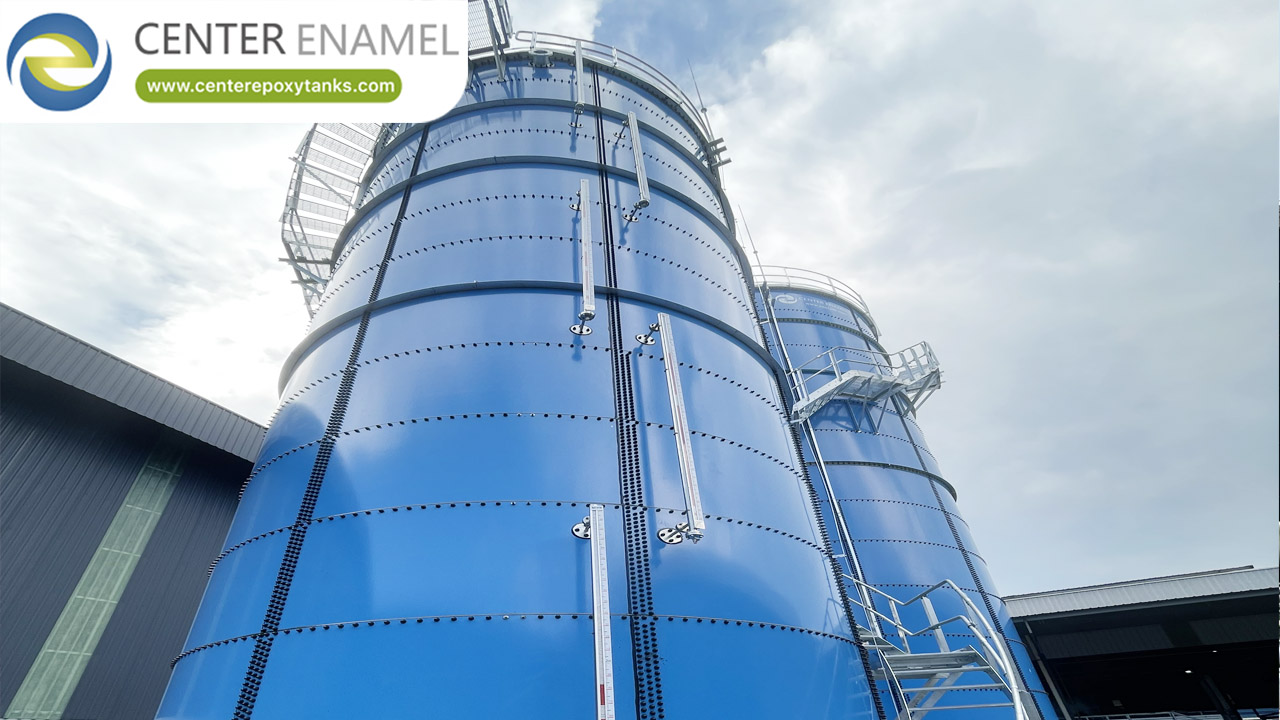
Fresh Water Tanks: Essential Engineering, Materials, and Potable Storage Solutions
In municipal water distribution, industrial manufacturing, and large-scale commercial developments, maintaining a secure, hygienic, and uninterrupted supply of potable water is a critical priority. Unlike wastewater or industrial effluent containment, fresh water storage demands uncompromising material purity, strict adherence to health standards, and robust resistance to biological contamination.
Choosing the right fresh water tank requires a comprehensive evaluation of volumetric capacity, geographic site constraints, regulatory compliance, and lifecycle durability. From sprawling municipal drinking water reserves to modular industrial water towers, advanced engineering ensures that fresh water remains pristine from treatment plant to end-user tap.
Core Material Technologies for Potable Water Containment
The safety and longevity of a fresh water storage system depend heavily on the metallurgy and polymer composition of the tank walls:
Glass-Fused-to-Steel (GFS) / Bolted Steel Tanks: Widely regarded as the premier choice for large-capacity municipal drinking water reserves, GFS tanks combine the structural strength of steel with the chemical inertness of glass. Fused at high temperatures (850 °C to 940 °C), the glass coating provides an impenetrable, ultra-smooth surface that inhibits bacterial growth, resists corrosion, and prevents mineral leaching.
Stainless Steel Tanks (Grades 304/316): Utilizing intrinsic corrosion-resistant alloy properties and a self-healing passive chromium oxide film, stainless steel offers elite hygiene and durability, making it ideal for pharmaceutical, food processing, and specialized municipal water applications.
Polyethylene (Poly) Tanks: Best suited for smaller-scale residential, agricultural, or temporary commercial applications. Molded from virgin, FDA-compliant food-grade resins, these lightweight tanks are UV-stabilized to prevent algae proliferation.
Critical Regulatory Standards for Fresh Water Storage
Because stored water is intended for human consumption, tanks must comply with stringent international public health and structural codes:
NSF/ANSI Standard 61: The definitive certification governing drinking water system components, ensuring that no harmful chemicals or heavy metals leach into the water supply.
AWWA D103: The American Water Works Association standard for bolted steel tank design, fabrication, and erection in water infrastructure.
ISO 9001 Quality Management: Ensures rigorous factory quality control, raw material traceability, and coating thickness verification during manufacturing.
Data Table: Comprehensive Comparison of Fresh Water Tank Solutions
Technical Parameter | Glass-Fused-to-Steel (GFS) Tanks | Stainless Steel Tanks | Polyethylene (Poly) Tanks |
Potable Water Compliance | Fully certified under NSF/ANSI 61 and international health codes | Certified food-grade hygienic surfaces | Manufactured from FDA-compliant virgin polyethylene resins |
Capacity Scale | Massive municipal and industrial capacity (up to 20,000+ m³) | Moderate to large industrial scale | Small to mid-range volume (typically under 15,000 gallons) |
Corrosion & Rust Defense | Exceptional; fused glass shield prevents oxidation and chemical attack | Superior; inherent chromium-oxide passive layer | Non-corrosive polymer; susceptible to UV degradation over decades |
Expected Lifespan | 30 to 40+ years with minimal maintenance | 35 to 50+ years | 10 to 15 years |
Frequently Asked Questions (FAQ)
Q: What is the most important standard for fresh water storage tanks?
A: NSF/ANSI Standard 61 is the critical benchmark, certifying that all materials in contact with drinking water do not leach toxic chemicals or heavy metals into the supply.
Q: Why are glass-fused-to-steel tanks preferred for municipal drinking water?
A: They combine the high structural strength of steel with an inert glass surface that resists corrosion, prevents bacterial adhesion, and eliminates the need for periodic interior repainting.
Q: How do you prevent algae growth in outdoor fresh water tanks?
A: By utilizing opaque, UV-blocking tank materials (such as coated steel or pigmented polyethylene), sealing all access hatches against sunlight penetration, and implementing proper chlorination or UV filtration protocols.
Q: Can fresh water storage tanks be expanded as a community grows?
A: Yes. Bolted steel tanks feature modular panel construction, allowing municipal engineers to easily disassemble, relocate, or expand the tank capacity by adding new ring sheets as water demand increases.


