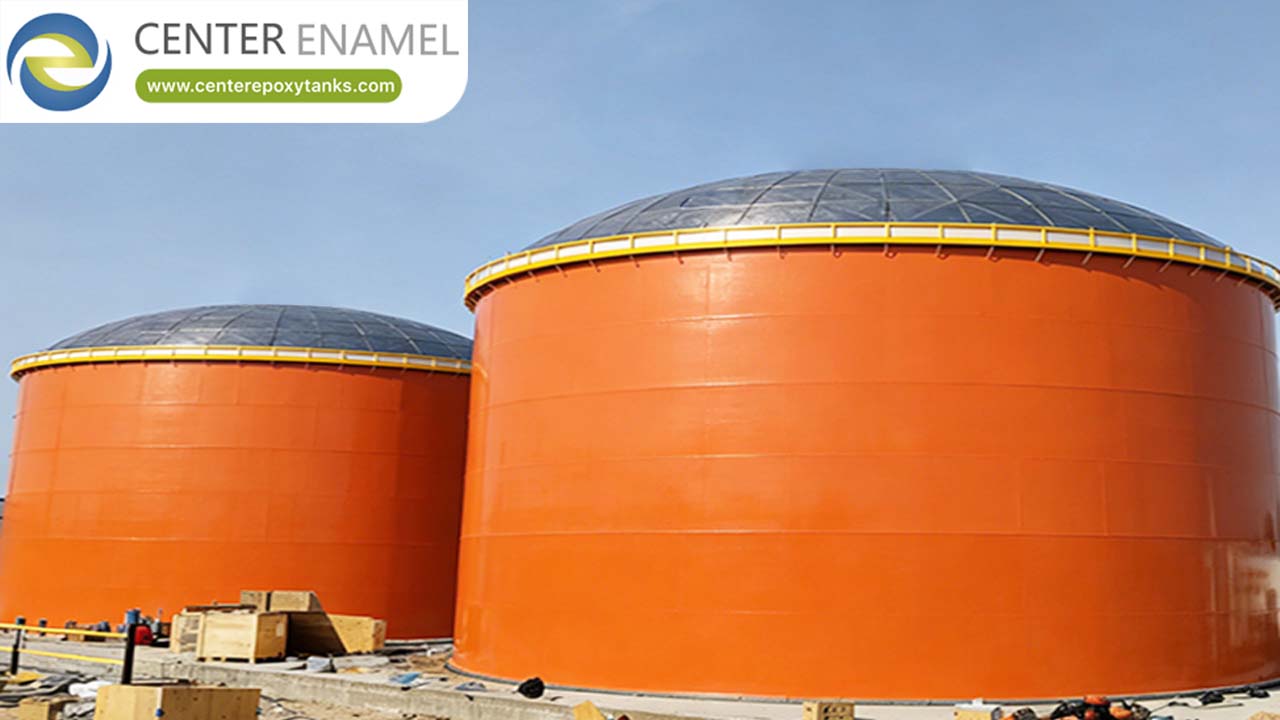
Turnkey Oil Storage Tank Projects: EPC Delivery from Engineering to Commissioning
Oil storage projects die in the gaps between contracts: the civil contractor blames the tank erector, the tank erector blames the piping contractor, and the owner arbitrates while the schedule burns. Turnkey delivery exists to delete those gaps — one contract, one engineering team, one accountable signature from first drawing to first barrel.
Turnkey oil storage tank projects deliver complete storage facilities under a single EPC (engineering, procurement, construction) contract — covering process design, API 650 tank engineering, procurement, fabrication, erection, piping, electrical, testing, and commissioning — with single-point responsibility and performance guarantees at handover.
1. What Scope Does a Turnkey Tank Contract Cover?
The turnkey promise is a complete, producing facility.
· Engineering: From FEED through detailed design — tank calculations, foundations, piping, electrical, instrumentation, and safety systems under one integrated model.
· Procurement: Plates, pumps, valves, instruments, and fire systems sourced against one quality regime, with expediting under the EPC's control.
· Construction: Civils, tank erection, weld NDE, hydrotesting, and systems installation by managed subcontractors under one site HSE program.
· Commissioning: Dry-out, first fill, functional testing, performance runs, and as-built documentation — acceptance is a working tank, not a pile of certificates.
2. Why Do Owners Choose Turnkey Over Multi-Contract?
The advantages concentrate in risk and interfaces.
· Single point of responsibility: One contract means one throat to choke — defects anywhere in the chain trace to one guarantor.
· Interface elimination: The tank-to-piping-to-electrical interfaces that generate most claims become internal coordination inside one organization.
· Schedule compression: Overlapping engineering and procurement under one program typically beats fragmented sequential contracting by 10-20%.
· Cost certainty: Lump-sum turnkey scopes fix the budget — the EPC carries escalation risk instead of the owner.
3. How Is a Turnkey Tank Project Executed?
Disciplined phase gates keep the delivery curve predictable.
· Definition and FEED: Capacity, product slate, and site conditions freeze into a basis of design before detailed engineering starts.
· Detailed engineering gates: Calculation packages, drawings, and procurement specs pass review gates so fabrication never outruns verified design.
· Construction with QA hold points: Erection, welding, and NDE follow inspection and test plans with documented hold points per API 650 and client standards.
· Commissioning and handover: System-by-system turnover with punch lists, performance testing, spares and training — the dossier that makes the asset operable.
Data Table: Turnkey vs Multi-Contract Delivery
Aspect | Turnkey EPC | Multi-Contract |
Responsibility | Single guarantor | Split across contracts |
Interfaces | Managed internally | Owner-coordinated |
Schedule | Compressed, overlapped | Sequential, gap-prone |
Cost risk | EPC carries escalation | Owner absorbs variations |
Change control | One change register | Competing claims |
Best fit | Defined scope, speed | Owner retains control |
Frequently Asked Questions (FAQ)
Q1: What does turnkey mean in oil storage tank projects?
One EPC contractor delivers the complete facility — engineering, procurement, construction, and commissioning — against a single contract with performance guarantees. The owner receives a working tank or tank farm rather than coordinating a chain of separate vendors and contractors.
Q2: How does turnkey delivery reduce project risk?
By eliminating inter-contract interfaces, where most disputes originate, and concentrating accountability: any defect, wherever it arises, traces to one guarantor. Lump-sum pricing also transfers escalation and quantity risk from the owner to the EPC contractor.
Q3: Is turnkey more expensive than traditional contracting?
The EPC's price includes its risk premium, so turnkey can look higher on bid day — but owners frequently net out ahead by avoiding interface claims, schedule overruns, and coordination overhead. Where scope is well-defined and speed matters, turnkey economics usually win.
Q4: What should an owner verify before signing a turnkey tank contract?
Delivered references at comparable scale, the engineering team's API 650 track record, a transparent inspection and test plan with hold points, commissioning and performance-test definitions, and warranty scope for coatings, mechanical, and systems — the details that decide whether 'turnkey' is a delivery method or a slogan.


