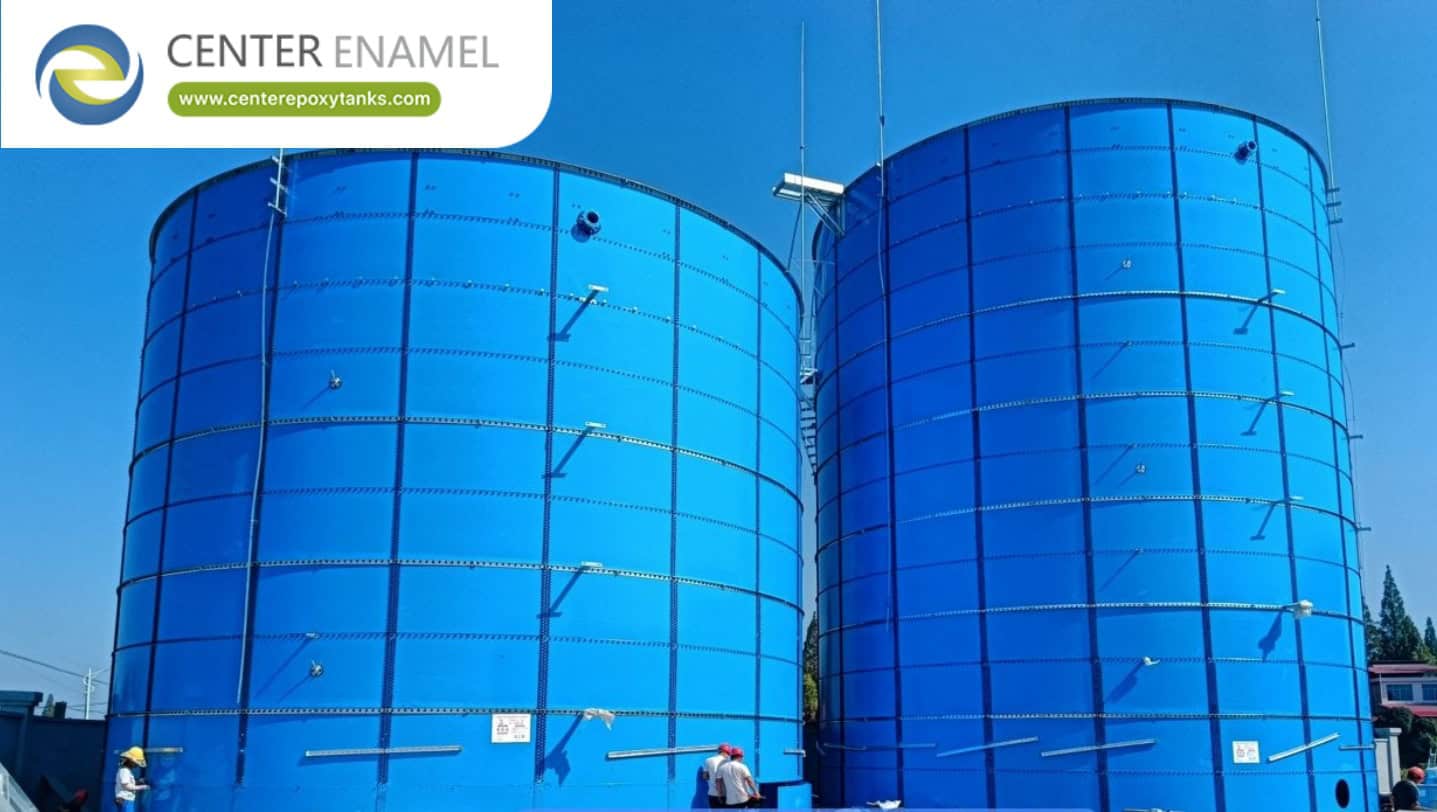
The Molecular Shield: Analyzing the FBE Corrosion Protection Mechanism
In high-stakes industrial environments, corrosion is not just a maintenance cost—it is a threat to structural integrity and operational safety. At Shijiazhuang Zhengzhong Technology Co., Ltd. (Center Enamel), we utilize Fusion Bonded Epoxy (FBE) technology, which provides a protective mechanism fundamentally different from traditional field-applied coatings. By transitioning from a physical "paint" layer to an irreversible, chemically cross-linked molecular shield, FBE provides superior defense against aggressive media.
1. The Core Mechanism: Beyond Mechanical Barriers
The corrosion protection offered by FBE is not a single-layer solution; it is an integrated system built on three distinct defensive layers:
A. The Barrier Protection (Physical Isolation)
The fundamental principle of FBE is to act as an impermeable barrier that decouples the steel substrate from the electrolyte (the corrosive environment). Unlike liquid paints, which can suffer from solvent evaporation—leaving behind microscopic voids or "pinholes"—FBE is 100% solid. When cured, it forms a dense, non-porous polymer matrix that blocks the ingress of oxygen, moisture, and chloride ions, effectively starving the electrochemical corrosion cell of the reactants it needs to function.
B. The Thermoset Cross-Linking (The Molecular Network)
The secret to FBE’s durability is the Thermoset Curing process. During application at 180°C–250°C, the epoxy resin and hardener undergo a chemical reaction known as cross-linking.
● The Reaction: The molecules link together to form a complex, three-dimensional polymer network.
● The Result: This network is chemically irreversible. Unlike thermoplastic coatings that can soften or re-melt under extreme heat, the FBE structure remains rigid and chemically inert. This density is why FBE exhibits such high resistance to acids (pH 3–13) and industrial solvents.
C. Superior Adhesion (Mechanical & Polar Bonding)
Adhesion is the "Achilles' heel" of most coatings. FBE achieves industry-leading adhesion (often exceeding 15 MPa) through a two-fold bonding strategy:
1. Mechanical Interlocking: Precision sandblasting (Sa 2.5 profile) creates a "peaks and valleys" surface on the steel, allowing the liquid epoxy to flow into the pores and "grip" the surface as it cures.
2. Polar Molecular Bonding: At the molecular level, the polar groups within the epoxy resin (specifically hydroxyl and ether groups) form direct chemical attractions with the oxidized steel surface. This creates an interface that is virtually inseparable under normal operating conditions.
2. Technical Comparison: FBE vs. Traditional Coating Mechanisms
Feature | Traditional Liquid Coating | Fusion Bonded Epoxy (FBE) |
Bonding Type | Physical Adhesion | Molecular-Level Chemical Bonding |
Structure | Solvent-based (Porosity risk) | Cross-linked Thermoset (Zero-porosity) |
Durability | Vulnerable to "spalling" | Highly resistant to impact & abrasion |
Environmental Impact | VOC Emissions (Solvents) | Solvent-Free (Zero VOC) |
Curing Process | Air-dry / Oxidation | Heat-activated Chemical Cross-linking |
3. Why This Mechanism Matters for Your Plant
When evaluating the lifecycle cost of a tank, you are essentially paying for the integrity of this molecular bond.
● Resistance to Cathodic Disbondment: Because the FBE-steel bond is so chemically robust, it resists the electrical currents that typically cause "cathodic disbondment" (the process where a coating peels off due to electrochemical activity).
● Uniformity via Electrostatics: Our electrostatic spraying process ensures that this molecular shield is applied with uniform thickness, even on the complex geometry of bolt holes and edges—the most common points of failure for field-applied tank coatings.
Partnering with Coating Experts
Center Enamel’s mastery of FBE technology isn't just about applying a coating; it’s about controlling the molecular environment of your storage assets. By managing surface preparation, electrostatic application, and thermoset curing in a strictly controlled factory environment, we ensure that your project is protected by the most advanced chemical barrier technology available in the storage industry.
Are you currently analyzing the chemical compatibility requirements for your facility's storage infrastructure, or would you like to review our testing protocols for holiday-free coating verification?


