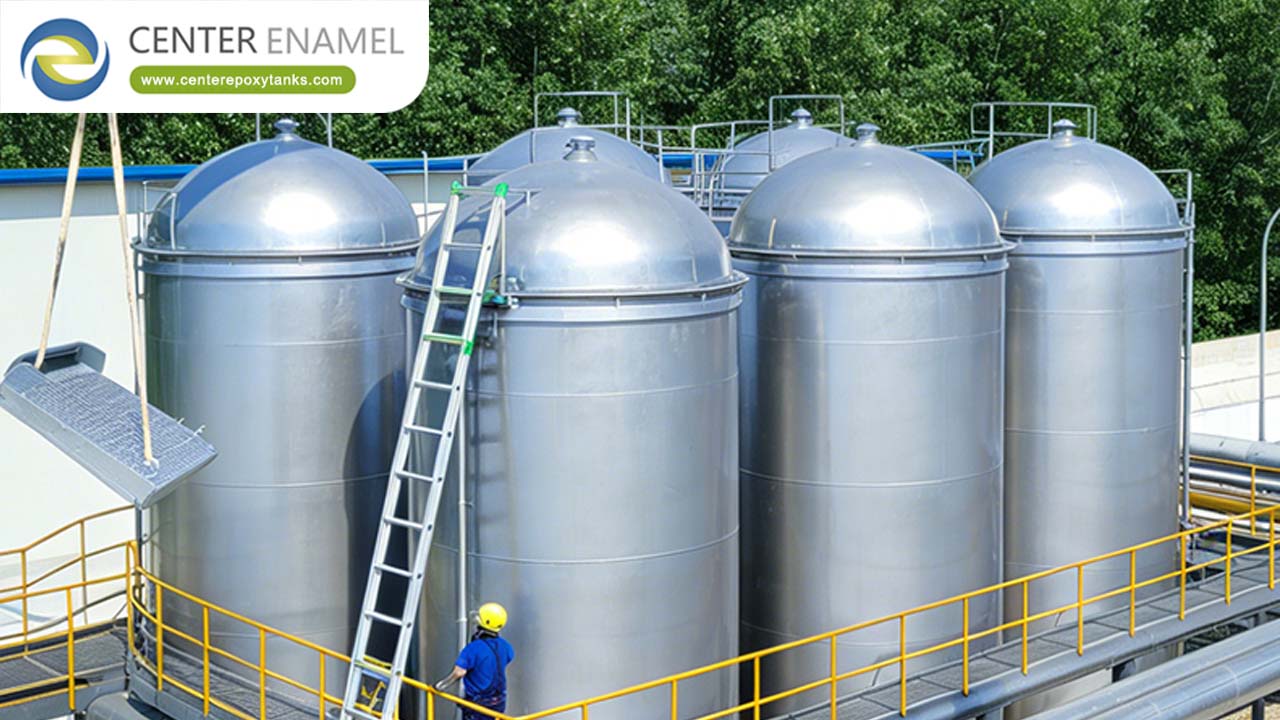
What Is a Stainless Steel Potable Water Tank? Industrial Design, Material Grades, and Hygienic Standards
A stainless steel potable water tank is a specialized, hygienic containment vessel engineered specifically to store clean, safe drinking water for municipal, commercial, industrial, and residential distribution networks.
Unlike standard industrial fluid containers or carbon steel vessels, a potable water tank must comply with strict food-grade sanitary standards (such as NSF/ANSI 61). Fabricated primarily from high-grade austenitic stainless steel (typically AISI 304 or AISI 316L), these tanks feature non-porous interior surfaces that actively prevent bacterial adhesion, eliminate micro-cracking where pathogens hide, and resist environmental corrosion without requiring toxic synthetic linings or chemical coatings.
Why Stainless Steel Is Preferred for Potable Water Containment
Ensuring long-term drinking water safety requires storage materials that maintain water purity without degrading over time:
Biofilm and Bacterial Prevention: The smooth, non-porous surface of stainless steel ($text{Ra} le 0.4,mutext{m}$) prevents algae growth and biofilm accumulation. Bacteria like Legionella cannot easily attach to polished stainless steel surfaces compared to porous concrete or degraded plastic.
Self-Healing Corrosion Resistance: Stainless steel contains at least 10.5% chromium, which reacts with oxygen to form an invisible, microscopic, self-healing chromium oxide passive layer. This barrier protects the metal from oxidation and prevents rust contamination in water supplies.
Zero Chemical Leaching or Odor Transfer: Polyethylene (HDPE) and lined carbon steel tanks can leach microplastics, phthalates, or chemical VOCs into standing water, particularly when exposed to UV light or heat. Stainless steel is completely inert, keeping drinking water free from unpleasant tastes or odors.
Complete UV Resistance: Sunlight exposure breaks down plastic tanks over time and causes micro-cracking while warming stored water to temperatures that encourage algae blooms. Stainless steel is 100% opaque and UV-impermeable, keeping stored water cool and light-free.
Material Selection: AISI 304 vs. AISI 316L Stainless Steel
Choosing the correct stainless steel grade depends heavily on ambient environmental exposure and the dissolved mineral/chloride content of the water supply:
Metric / Feature | AISI 304 Stainless Steel | AISI 316L Stainless Steel |
Alloy Composition | 18% Chromium, 8% Nickel | 16% Chromium, 10% Nickel, 2% Molybdenum |
Best Application | Standard indoor/outdoor municipal water storage, commercial buildings, residential supply. | Coastal environments, high-salinity zones, chlorinated water systems, marine applications. |
Chloride Resistance | Suitable for chloride concentrations up to 200 mg/L (ppm). | Excellent resistance to pitting corrosion up to 1,000 mg/L (ppm) chlorides. |
Cost Profile | Highly cost-effective; standard choice for standard potable water systems. | Moderate premium over 304 due to added molybdenum and higher nickel content. |
Core Regulatory Standards & Quality Controls
Commercial and industrial potable water tanks must satisfy rigorous public health and manufacturing codes:
NSF/ANSI 61 Compliance: The gold standard for health effects, certifying that no harmful contaminants or metals leach into drinking water from the tank body or internal welds.
AWWA Standards: Designed according to American Water Works Association guidelines (such as AWWA D100/D108) for structural stability, seismic design, and wind-load resistance.
Passivation Treatment: After welding, internal tank seams undergo chemical passivation (using citric or nitric acid) to restore the protective chromium oxide layer across all heat-affected zones.
Frequently Asked Questions (FAQ)
Q: What is the lifespan of a stainless steel potable water tank?
A: Properly engineered stainless steel potable water tanks routinely last 30 to 50+ years with minimal maintenance. Their self-healing passive oxide layer ensures long-term resistance to rust and degradation, far outlasting plastic or coated steel alternatives.
Q: Why is 316L stainless steel recommended over 304 for coastal installations?
A: 316L stainless steel contains added molybdenum, which provides superior resistance to chloride pitting caused by salt spray and coastal sea air. While 304 is ideal for inland freshwater storage, 316L prevents localized pitting corrosion in coastal or high-salinity environments.
Q: Do stainless steel drinking water tanks require internal linings or coatings?
A: No. Unlike carbon steel tanks that require epoxy or polyurethane linings (which can crack, peel, or leach chemicals over time), stainless steel tanks require zero internal coatings. The bare metal surface itself provides natural corrosion resistance and hygienic water containment.
Q: Are stainless steel potable water tanks recyclable?
A: Yes. Stainless steel is 100% recyclable without any loss of quality or structural performance. At the end of a tank's multi-decade service life, the material can be completely reclaimed and repurposed, making it an environmentally sustainable choice.


