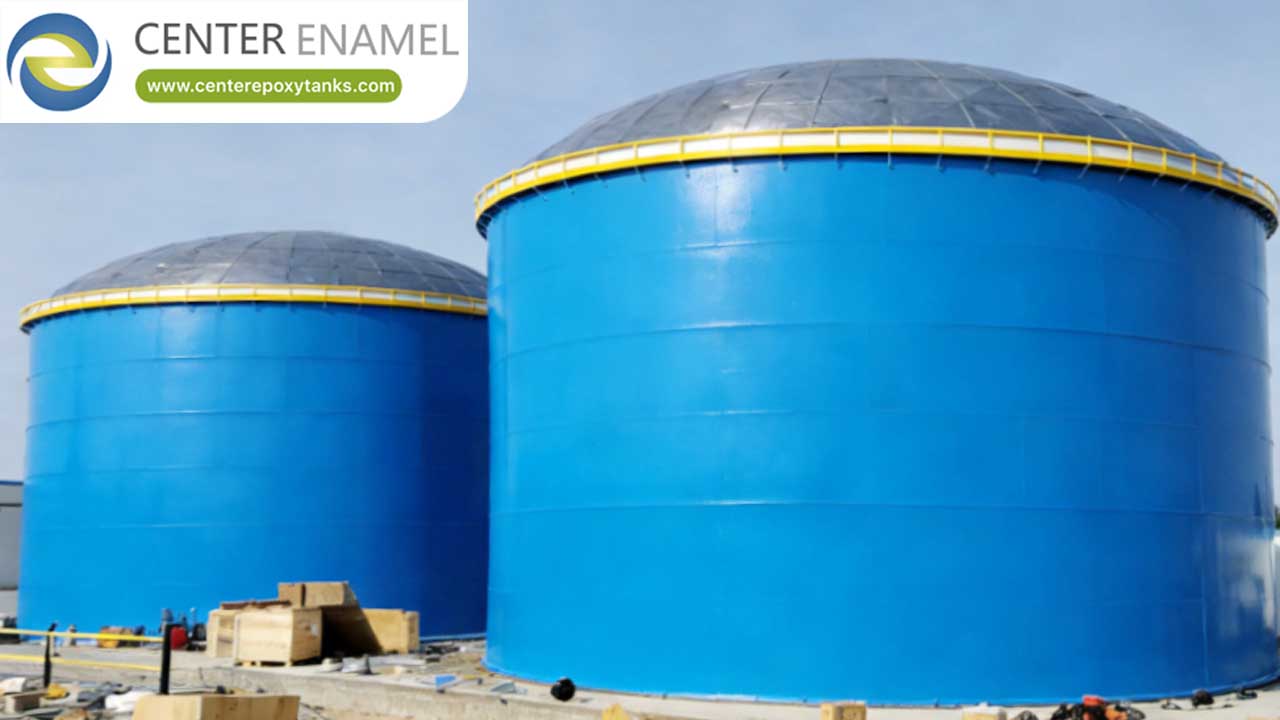
Slaughterhouse Wastewater Treatment Tanks: Engineering & Selection Guide
Slaughterhouse (abattoir) wastewater is one of the most challenging industrial effluents to manage due to its high concentration of blood, animal tissue, fats, oils, and grease (FOG). These components create exceptionally high Biological Oxygen Demand (BOD) and Chemical Oxygen Demand (COD) levels. Effectively managing this waste stream requires specialized containment infrastructure that resists biological acidification and facilitates rigorous cleaning protocols to prevent pathogen accumulation.
1. Defining the Effluent Characteristics
Before selecting a tank, engineers must account for the specific wastewater profile of a slaughterhouse. Failure to match the tank material to the effluent chemistry leads to rapid degradation.
Key Effluent Parameters:
● FOG (Fats, Oils, and Grease): Requires frequent agitation to prevent "grease mats" and solid blockages.
● Organic Load: High BOD/COD requires tanks that are chemically inert and can be easily sanitized.
● pH Variance: Cleaning chemicals (caustics) and organic decomposition can cause rapid pH swings, potentially corroding unprotected metal.
2. Engineering & Material Selection
The containment system is typically part of a multi-stage treatment train (e.g., Primary Settlement → Anaerobic Digestion → Aerobic Treatment).
Comparative Material Matrix
Material | Resistance to FOG/Organics | Cleaning Ease | Expected Lifespan | Capital Cost |
Glass-Fused-to-Steel (GFtS) | Exceptional (Inert) | High | 30+ Years | High |
Epoxy-Coated Steel | High (with proper coating) | Moderate | 15–25 Years | Moderate |
Stainless Steel | Highest | Highest | 40+ Years | Very High |
Concrete (Lined) | Moderate | Low | 15–20 Years | Moderate |
Recommendation: Glass-Fused-to-Steel (GFtS) is widely considered the industry benchmark for abattoir wastewater. Its glass coating prevents biological adhesion, making it significantly easier to wash down and sanitize compared to coated steel or concrete.
3. Critical Design Considerations for Abattoirs
A wastewater tank in a slaughterhouse environment is not a passive vessel; it is an active part of the treatment process.
Hydraulic Retention Time (HRT) Calculation
Proper sizing is essential to ensure biological treatment agents have enough time to reduce the organic load. The required volume is calculated based on the daily flow rate and the retention time :
Operational Best Practices:
● Mixing/Agitation: Given the high fat content, all storage and balance tanks should be fitted with mechanical mixers or jet aerators to prevent solid stratification and "dead zones."
● Manway Accessibility: Tanks must feature large-diameter manways at the base and roof to allow for periodic mechanical removal of heavy solids and congealed fats.
● Bunding/Secondary Containment: Environmental regulations mandate secondary containment to prevent catastrophic discharge of organic-rich waste into local waterways.
4. Maintenance & Compliance
Hygiene in an abattoir environment extends to the wastewater plant.
● Cleaning Cycles: Unlike municipal water tanks, slaughterhouse tanks require a "wash-down" protocol. Smooth, non-porous surfaces (like GFtS or Stainless Steel) allow for low-pressure high-volume flushing.
● Corrosion Monitoring: Regularly inspect the "vapor space" at the top of the tank. Hydrogen sulfide ($H_2S$) gases often collect here, which can aggressively attack steel if the coating has been breached.
● Compliance Checks: Ensure all tank designs meet local environmental agency standards for "fit-for-purpose" industrial effluent containment.
Frequently Asked Questions (FAQ)
Q: Why is standard carbon steel not recommended?
A: Slaughterhouse effluent is often acidic due to the breakdown of proteins and fats. Standard carbon steel will suffer from "pitting corrosion" very rapidly, leading to structural failure and potential leaks that would violate environmental permits.
Q: How often do these tanks need to be cleaned?
A: This depends on the treatment stage. Primary balance/sedimentation tanks often require monthly inspection and periodic "de-sludging," while secondary aerobic tanks require less frequent mechanical cleaning but constant biological monitoring.
Q: Can I use a flexible membrane tank for slaughterhouse waste?
A: Generally, no. While flexible membranes work well for clean biogas, the solids, fats, and potential sharp debris found in abattoir effluent can easily puncture or clog flexible systems. Rigid, smooth-walled tanks are the industry preference.
Are you currently designing a specific treatment stage (e.g., primary settling vs. aerobic digestion) for your facility?


