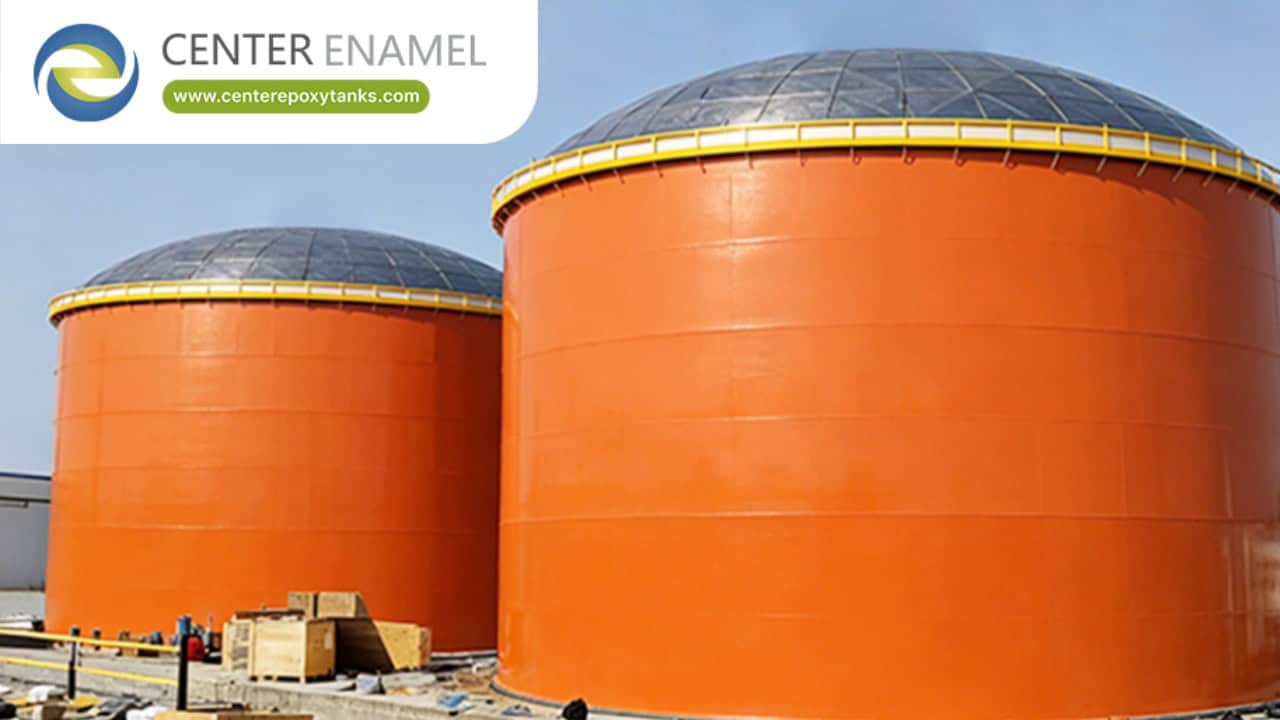
Oil Storage Tank Basics: Types and Codes
An oil storage tank is the workhorse of bulk hydrocarbon handling; understanding its types, materials, and codes is the first step to a correct specification.
This overview explains tank families, the standards that govern them, and how to narrow to the right type for your duty.
Main Topic / Definition
Oil storage tanks are vertical or horizontal vessels, atmospheric or low-pressure, built to API 650 (or AWWA for water service), that hold crude, intermediate, or finished product.
Vertical vs horizontal
· Vertical cylindrical: dominates bulk aboveground storage.
· Horizontal: small volumes, skid, or underground service.
Key Characteristics / Components / Types
Materials and roofs
· Carbon steel: the default; coating extends life.
· Stainless / GFS: purity or corrosion service.
· Roofs: fixed cone, external or internal floating, or dome.
Applications / Use Cases
Tanks serve production, refining, terminals, and distribution. Duty - not habit - should select the type.
· Bulk crude: large welded, often floating-roof.
· Finished product: smaller, sometimes insulated or covered.
Technical Considerations
Start with product volatility, volume, and site code; then choose material, roof, and containment. Storage tanks and roofs in this article reference widely used codes: API 650 (including Annex C for external floating roofs and Annex H for internal floating roofs), API 2000 for venting, NFPA 30 for flammable liquids, and AWWA D103-09 for factory-coated bolted steel tanks. Secondary containment in the United States follows SPCC (40 CFR 112).
· Venting (API 2000) and fire (NFPA 30) are mandatory companions to the tank spec.
· Secondary containment protects soil and water per SPCC where applicable.
Advantages and Limitations
· Advantages: scalable, proven, code-backed.
· Limitations: coating/maintenance; floating roofs need seal care.
Comparison / Selection Guide
Tank type | Use | Roof | Note |
Vertical welded | Bulk liquid | Cone / floating | Most common |
Horizontal | Small / skid | Fixed | Easy install |
Bolted GFS | Coated bulk | Bolted | Fast erect |
Best Practices / How to Choose
· Pick type by duty, not familiarity.
· Pair tank with venting, fire, and containment specs.
· Specify coating to product chemistry.
An oil storage tank is simple in concept but specific in execution. Match type, material, and roof to the product and the code, and the rest follows.
Frequently Asked Questions (FAQ)
What is a oil storage tank and when is it used?
A oil storage tank is a containment or cover solution for oil service, used where standard bulk tanks need material, roof, or coating specification to perform safely and meet code. Selection starts from the product and duty, not a default form.
Welded or bolted - which is better for oil?
Welded gives a continuous shell and the largest volumes; bolted (including GFS) erects faster with factory coating control. Choose by schedule, volume, and whether bolted seams are acceptable for the duty.
What standards apply to oil storage tank?
API 650 governs welded atmospheric tanks; AWWA D103-09 covers bolted factory-coated steel. Venting (API 2000), fire (NFPA 30), and containment (SPCC where applicable) are companions, not options.
How long does a oil storage tank last?
Service life follows material and maintenance: welded carbon steel with a good coating and bottom program runs decades; stainless and GFS extend life further. Inspection and lining care decide the outcome.
What are the most common failures to avoid with oil storage tank?
The usual problems are wrong coating for the product, ignored rim seals on floating roofs, under-specified venting, and no bottom-inspection plan. Address these at specification, not after commissioning.


