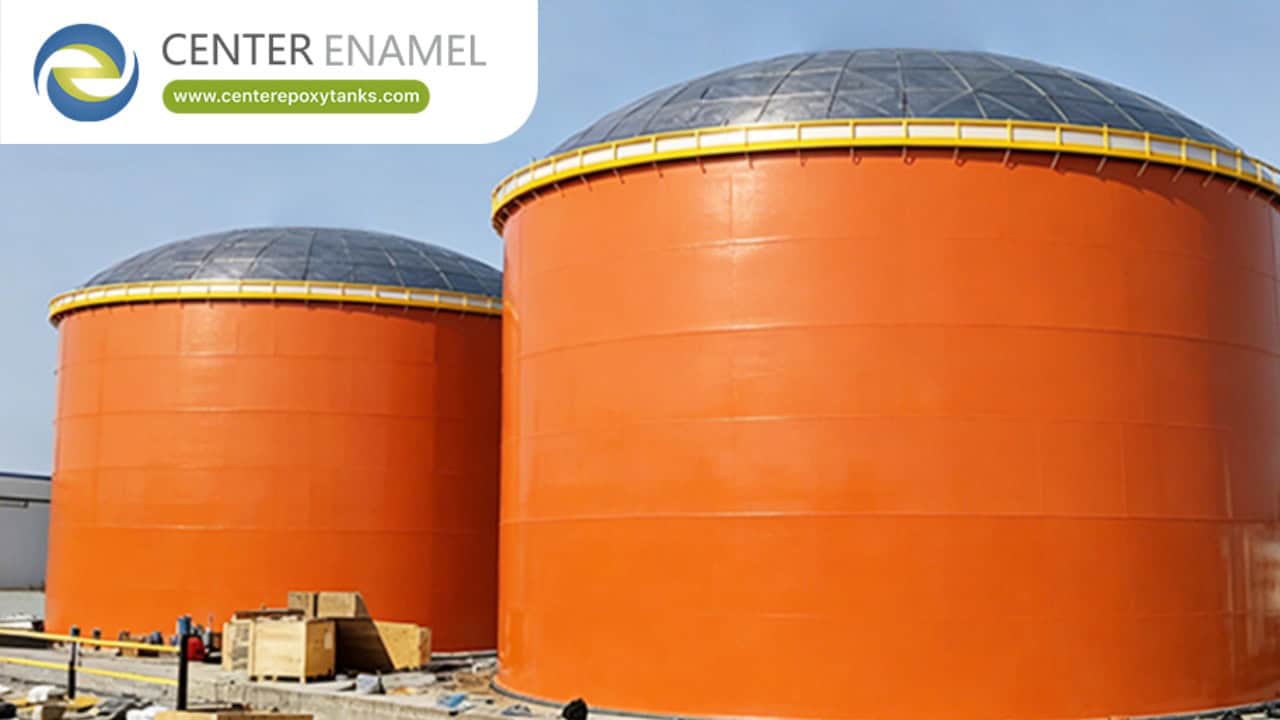
Oil Drilling Fluids: Storage and Mixing
This article addresses oil drilling fluids - a specialized duty within oil and hydrocarbon handling that needs a tailored tank or vessel specification.
We cover the service challenge, the vessel type that fits, and the practical specification points.
Main Topic / Definition
Oil drilling fluids describes a containment or treatment duty where standard bulk tanks need modification - coating, lining, cover, or process integration - to perform safely.
Key Characteristics / Components / Types
Duty-specific features
· Coating/lining: matched to the specific fluid chemistry.
· Cover or seal: controls vapor, odor, or contamination.
· Integration: nozzles, mixers, or separation built into the shell.
Applications / Use Cases
Oil drilling fluids applies across wastewater, collection, drilling, refining, and recycling service where the fluid is not simple bulk oil.
· Covers and liners protect against spill and vapor.
· Process tanks add mixing, separation, or heating.
Technical Considerations
Specify the exact fluid and any solids, pH, or temperature swing; that determines the lining and the cover class.
· GFS option: inert glass surface suits corrosive or abrasive streams.
· Compliance: wastewater and used-oil duties carry environmental permit conditions.
Advantages and Limitations
· Advantages: purpose-built duty compliance and longer life.
· Limitations: more engineering; covers and liners need inspection.
Comparison / Selection Guide
Need | Solution | Why |
Corrosion/abrasion | GFS or lined steel | Inert, durable surface |
Vapor/odor | Covered or floating roof | Contains emissions |
Solids/process | Integrated vessel | Mixing/separation built in |
Best Practices / How to Choose
· Define the fluid completely before selecting material.
· Match cover and lining to permit, not a default.
· Plan inspection for any lining or seal.
For oil drilling fluids, a generic tank falls short. Specify the fluid, then the lining and cover that make the vessel compliant and durable.
Frequently Asked Questions (FAQ)
What is a oil drilling fluids and when is it used?
A oil drilling fluids is a containment or cover solution for oil service, used where standard bulk tanks need material, roof, or coating specification to perform safely and meet code. Selection starts from the product and duty, not a default form.
What vessel type fits oil drilling fluids?
Classify by phase and pressure first: atmospheric liquid uses API 650 tanks, low-pressure vapor uses low-pressure tanks, and gas above roughly 15 psig uses ASME VIII vessels.
What should I specify beyond the tank for oil?
Define the exact fluid (solids, pH, temperature), then the lining, cover, and any process integration. Pair with venting, fire, and containment per the applicable code.
How long does a oil drilling fluids last?
Service life follows material and maintenance: welded carbon steel with a good coating and bottom program runs decades; stainless and GFS extend life further. Inspection and lining care decide the outcome.
What are the most common failures to avoid with oil drilling fluids?
The usual problems are wrong coating for the product, ignored rim seals on floating roofs, under-specified venting, and no bottom-inspection plan. Address these at specification, not after commissioning.


