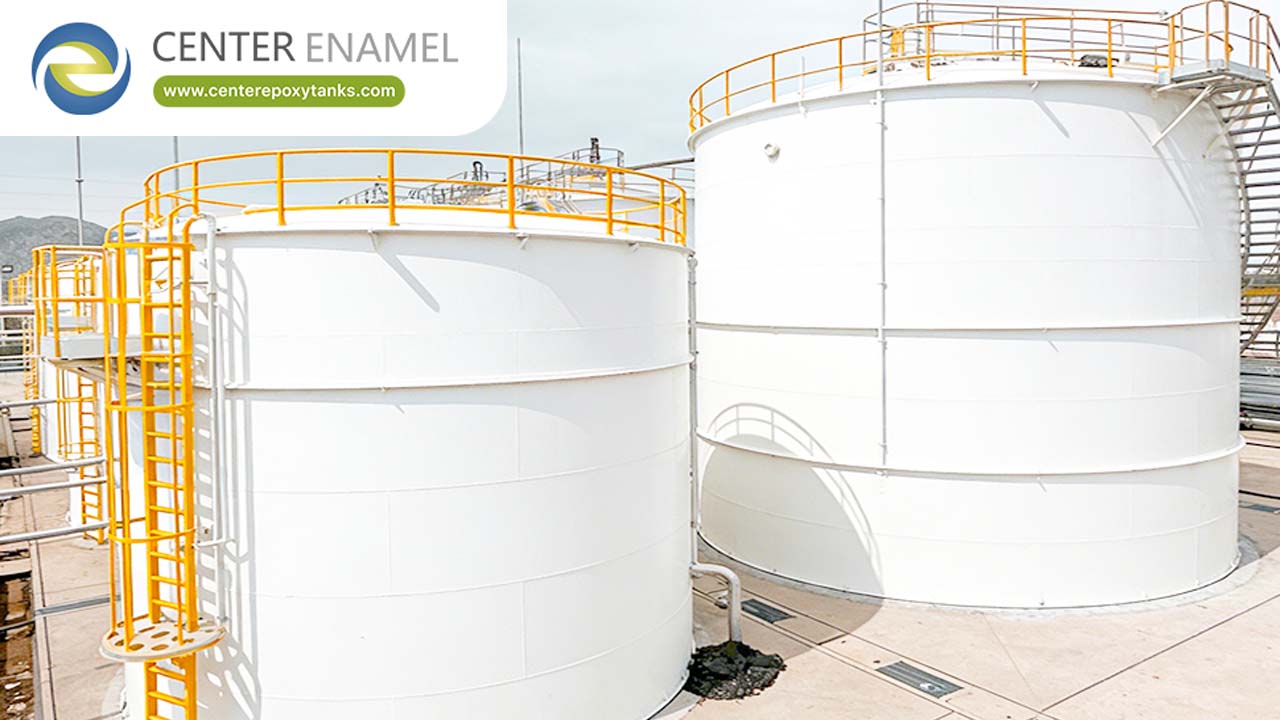
Large Farm Water Tanks: Engineering, Sizing & Selection Guide
Effective water management is the backbone of profitable agriculture. Whether for large-scale crop irrigation, high-density livestock operations, or fire protection, Large Farm Water Tanks represent a critical capital investment. Moving away from small, decentralized tanks toward a centralized, large-capacity storage strategy allows farmers to optimize water rights, mitigate drought risk, and ensure operational continuity.
1. Sizing Your Tank: The Mathematical Approach
Before selecting a tank, you must accurately calculate your storage requirements. Under-sizing leads to water shortages; over-sizing ties up capital unnecessarily.
2. Choosing the Right Tank Material
Not all large-capacity tanks are created equal. The material choice dictates the lifespan, maintenance burden, and chemical stability of your water.
Material | Best For | Pros | Cons |
Bolted Steel | Large-scale irrigation | Modular, high capacity, durable | Requires solid foundation |
Fiberglass (FRP) | Corrosive liquids/fertilizer | Excellent chemical resistance | Can be expensive, brittle |
Poly (HDPE) | Smaller storage (<50,000L) | Lightweight, portable | Limited capacity, UV sensitive |
Concrete | Permanent reservoirs | High structural mass | High cost, prone to cracking |
Why Bolted Steel Leads in Agriculture
For capacities exceeding 100,000 liters, Bolted Steel Tanks (with FBE or GFS coatings) have become the industry standard.
● Scalability: You can start with a standard capacity and add panels later as your farm expands.
● Logistics: Shipped as flat-packed panels, they reach remote farm locations where heavy transport of pre-cast concrete is impossible.
● Longevity: Unlike plastic tanks that degrade under intense UV exposure, industrial bolted steel coatings are engineered for decades of outdoor service.
3. Critical Considerations for Farm Infrastructure
Foundation & Leveling
Large tanks impose significant hydrostatic pressure on the soil. A 500,000-liter tank weighs over 500 metric tons. Always ensure a professionally engineered compacted aggregate or reinforced concrete pad. Uneven settlement is the primary cause of tank failure.
Water Quality & Protection
● Algae Control: Ensure the tank has a light-blocking roof. Sunlight penetration in water storage is the #1 cause of algae blooms, which can clog irrigation lines and harbor pathogens.
● Debris Prevention: Large-capacity systems should include gutter screens (if harvesting rainwater) and screened vents to keep out birds, insects, and rodents.
Pumping & Distribution
A large tank is only useful if the water can move. Factor in the Total Dynamic Head (TDH)—the pressure the pump must overcome—to ensure you have the right pump size to move water from your central storage to the furthest reaches of your farm.
4. Frequently Asked Questions (FAQ)
Q: Is rainwater harvesting viable for large-scale irrigation?
A: Yes, but only with massive roof surface areas (like barn roofs) or catchment basins. For most large farms, a mix of groundwater/well pumping and rainwater harvesting is the most resilient "hybrid" strategy.
Q: How often should I inspect my large water tank?
A: Conduct a "visual" check monthly, but perform a full structural and internal inspection annually. Look specifically for signs of sediment buildup, cracked gaskets, or degradation of the roof mesh.
Q: Can I store liquid fertilizer in the same tank as water?
A: Never. Fertilizer is chemically aggressive and will degrade standard water-tank linings. Only use tanks specifically rated for the chemical density and corrosivity of fertilizers.
Engineering Certainty for Your Farm
Your water storage infrastructure should be built to support your farm’s growth, not limit it. By selecting high-capacity, modular bolted steel systems, you ensure your water supply is resilient, scalable, and built to survive the harsh outdoor conditions of agricultural life.
Are you planning a new irrigation system or livestock expansion, and would you like to review technical specifications for high-capacity bolted steel tanks?


