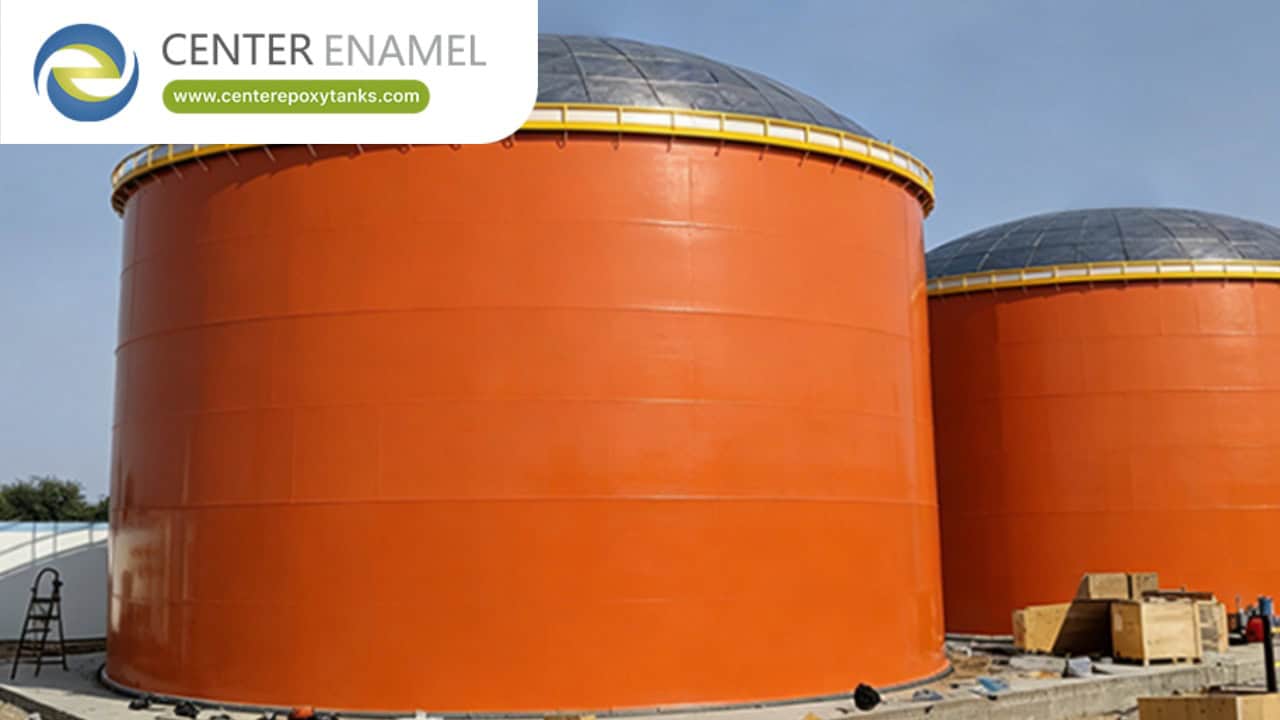
Industrial Pressure & Process Tanks: Engineering Solutions for Critical Sectors
In modern manufacturing, chemical processing, and energy production, standard atmospheric storage is often insufficient. Pressure and process tanks represent the backbone of industrial fluid handling, serving as specialized vessels designed to safely contain, mix, heat, react, or pressurize liquids and gases under rigorous operational parameters.
Unlike basic storage reservoirs that sit at ambient pressure, pressure vessels and process tanks must withstand internal or external differential pressures, mechanical stresses from high-torque mixing equipment, and aggressive chemical environments. Proper engineering, stringent code compliance, and precise material selection are vital to prevent catastrophic failure, ensure worker safety, and maintain uninterrupted plant productivity.
Core Engineering and Design Standards
Designing pressure and process tanks requires adherence to strict international safety and fabrication benchmarks:
1.
ASME Pressure Vessel Code Compliance: When a tank operates under an internal pressure exceeding 15 psig (pounds per square inch gauge), it is classified as a pressure vessel and must be engineered, fabricated, and stamped in strict accordance with ASME Boiler and Pressure Vessel Code (BPVC) Section VIII.
2.
3.
Material Selection and Corrosion Defense: Depending on the stored fluid, vessels are constructed from high-tensile carbon steel, austenitic stainless steels (such as 304L and 316L), or specialized alloy overlays. For corrosive chemical processing, vessels frequently feature high-performance internal linings (such as Fusion Bonded Epoxy or specialized polymer coatings) to protect the structural substrate.
4.
5.
Structural Integrity and Nozzle Placement: Process tanks frequently house internal baffles, heating/cooling jackets, and high-speed mechanical agitators. Engineering designs must account for dynamic fatigue loads, wind and seismic forces, and precise nozzle reinforcements.
6.
Technical Performance Matrix: Industrial Tank Technologies
Technical Parameter | ASME Pressure Vessels | Industrial Process & Mixing Tanks | Standard Atmospheric Storage Tanks |
Operating Pressure Limits | Engineered for high internal or external pressures exceeding 15 psig | Operates at low to moderate pressures (atmospheric to low positive pressure) | Designed exclusively for atmospheric or near-atmospheric conditions (0–15 psig) |
Reaction & Agitation Support | Designed to withstand intense fluid dynamics, gas-liquid reactions, and high pressures | Optimized for heavy mechanical agitation, thermal jackets, and continuous blending | Geared toward bulk volume holding, staging, and inventory buffering |
Design & Fabrication Codes | Governed by rigid pressure codes (ASME Section VIII, PD 5500, EN 13445) | Built to industrial process standards, API guidelines, or customer-specific mechanical designs | Standard structural codes (such as AWWA D103 or API 650) |
Material & Lining Customization | High-grade alloys, stainless steel, and specialized corrosion-resistant linings | Highly customizable with internal coils, spray balls, baffles, and multi-layer coatings | Carbon steel, concrete, or bolted steel panels with protective external/internal barriers |
Key Industrial Applications
Pressure and process tanks support critical workflows across multiple heavy industries:
·
Chemical Processing & Synthesis: Acting as batch reactors, distillation columns, and flash drums where precise temperature, pressure, and chemical containment are mandatory.
·
·
Oil, Gas, and Petrochemicals: Storing pressurized hydrocarbon gases, managing separator feeds, and holding volatile intermediate liquids under controlled conditions.
·
·
Water and Wastewater Treatment: Utilizing pressurized pressure filters, chemical dosing vessels, and aeration contact tanks to optimize municipal and industrial utility loops.
·
·
Food, Beverage, and Pharmaceuticals: Providing sanitary, cleanable process vessels equipped with heating/cooling jackets for fermentation, blending, and sterile fluid preparation.
·
Frequently Asked Questions (FAQ)
Q: What is the main difference between a pressure tank and a standard process tank?
A: A pressure tank is specifically engineered to safely contain fluids or gases at high internal or external pressures (typically governed by ASME codes above 15 psig). A process tank focuses on operational functions like mixing, chemical reaction, heating, or blending, and may operate at atmospheric or low pressures.
Q: What international codes govern industrial pressure vessels?
A: The most globally recognized standard is the ASME Boiler and Pressure Vessel Code (BPVC) Section VIII. Other international equivalents include EN 13445 (European Standard), PD 5500 (British Standard), and JIS B 8249 (Japanese Industrial Standard).
Q: Can bolted steel technology be utilized for pressure and process applications?
A: While high-pressure vessels typically require welded or forged monolithic construction to handle extreme stress, modular bolted steel tanks are widely used for atmospheric and low-pressure process applications, large-scale industrial water treatment, and chemical buffer storage.
Q: How do you choose the right material for a chemical process tank?
A: Material selection depends on the chemical composition, operating temperature, fluid concentration, and potential for corrosion. Engineers evaluate chemical compatibility charts to choose between stainless steel alloys, specialized reactive metals, or lined carbon steel substrates.


