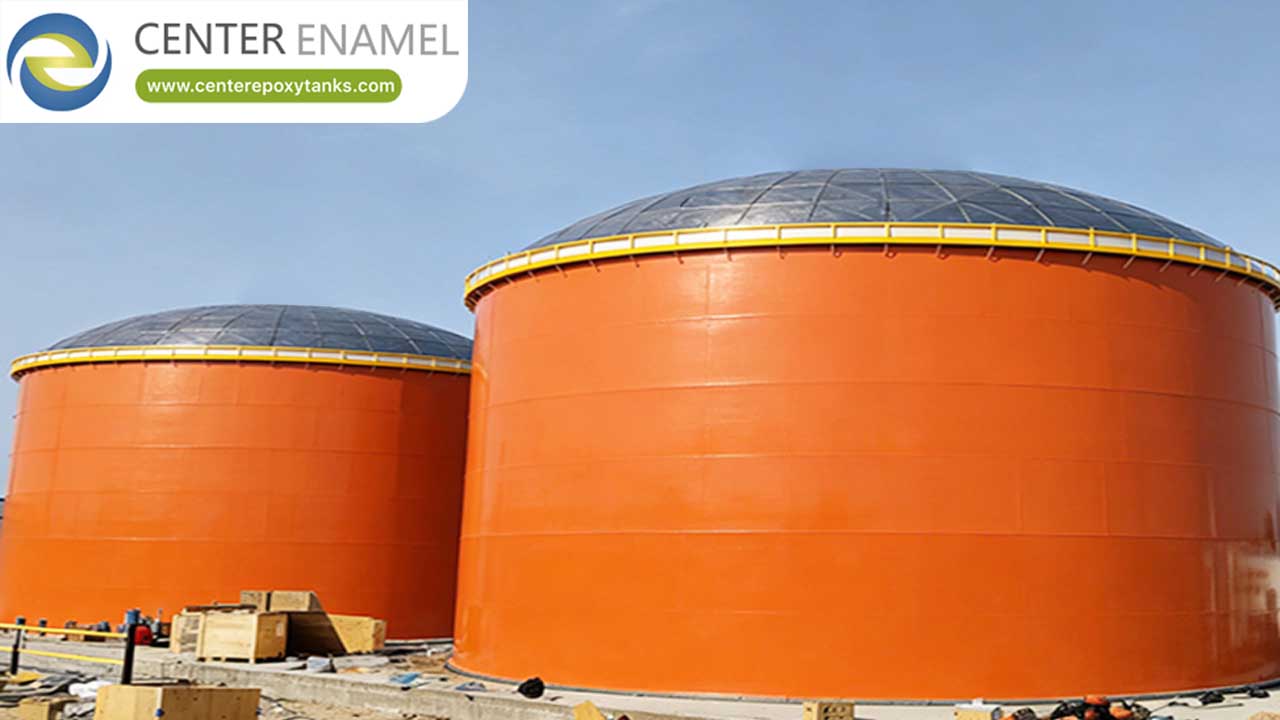
Industrial Chemical Wastewater Tanks: Engineering, Compatibility, and Storage Solutions
In manufacturing, chemical processing, and industrial cleaning, wastewater is rarely just "water." It is a complex, often hazardous mixture of organic solvents, acidic or alkaline compounds, heavy metals, and reactive chemical agents. Unlike standard municipal water storage, chemical wastewater tanks must be engineered with material science as the first priority to prevent structural failure, groundwater contamination, and regulatory non-compliance.
Selecting the appropriate containment vessel is not merely an operational choice; it is a critical safety decision based on the specific chemical concentrations, temperatures, and pressures of the effluent being treated.
The Critical Engineering Challenge: Chemical Compatibility
The primary cause of industrial tank failure is the mismatch between the stored fluid and the tank’s internal liner or material of construction. Before selecting a tank, engineering teams must consult Chemical Resistance Charts to evaluate the interaction between the effluent and the tank wall.
Corrosion Mitigation: Acids and alkalis can rapidly destroy standard carbon steel. Specialized coatings, glass-fusing, or inert plastics (like FRP or HDPE) are mandatory to prevent oxidation and stress corrosion cracking.
Structural Integrity vs. Chemical Load: Chemical wastewater often has a higher specific gravity (density) than plain water. Tanks must be structurally rated to handle the hydrostatic pressure exerted by denser, concentrated chemical solutions.
Temperature Management: Many chemical treatment processes involve exothermic reactions. The tank material must maintain structural rigidity and chemical inertness even when effluent temperatures reach 50°C to 80°C or higher.
Material Selection Matrix for Wastewater Containment
Tank Material | Chemical/pH Flexibility | Structural Strength | Installation | Best Application |
Glass-Fused-to-Steel (GFS) | Excellent (pH 2–14) | High | Modular/Rapid | Large-scale treatment plants, sludge, industrial effluent |
Fiberglass (FRP) | Excellent (Acid resistant) | Moderate | Specialized field work | Highly acidic waste, aggressive chemical solvents |
Stainless Steel (316L) | Moderate (Avoid chlorides) | High | On-site welding | High-purity process water, certain mild solvents |
HDPE/Polyethylene | Good (pH 1–14) | Low | Pre-fabricated units | Small batch containment, storage of localized chemicals |
Critical Safety and Regulatory Considerations
Secondary Containment: Regardless of the tank material, chemical wastewater tanks must almost always be situated within a secondary containment area (bunding). This ensures that if a primary tank fails, the hazardous chemical is contained and prevented from entering the soil or drainage systems.
Venting and Off-gassing: Chemical wastewater often releases volatile organic compounds (VOCs) or toxic gases (e.g., $H_2S$). Tanks must be equipped with specialized venting, scrubbers, or carbon filters to prevent the buildup of explosive or toxic atmospheres in the headspace.
Inert Liners: In bolted tank designs, the interior must be lined with a chemically inert membrane or fusion-bonded coating. Any discontinuity (pinhole) in this layer can lead to rapid localized corrosion of the steel substrate.
Frequently Asked Questions (FAQ)
Q: Can I use a standard municipal water tank for chemical wastewater?
A: No. Standard water tanks are designed for neutral pH and low density. Chemical wastewater can cause standard water tanks to corrode, leak, or fail structurally, leading to environmental disasters and severe regulatory penalties.
Q: How do I determine which material is right for my chemical waste?
A: You must perform a chemical analysis of your effluent and consult a Chemical Resistance Chart provided by the tank manufacturer. Factors such as pH, chemical concentration, temperature, and exposure time must all be evaluated.
Q: Is stainless steel the best material for all wastewater?
A: No. While stainless steel is excellent for many applications, it is susceptible to "pitting" and corrosion in the presence of high chloride concentrations or certain acids, where GFS or FRP tanks might perform better.
Q: Are bolted tanks reliable for holding hazardous chemical waste?
A: Yes, when correctly engineered. Bolted tanks using GFS technology or high-performance fusion-bonded epoxy liners are widely used in industrial wastewater treatment because they combine the structural strength of steel with the chemical inertness of specialized interior barriers.


