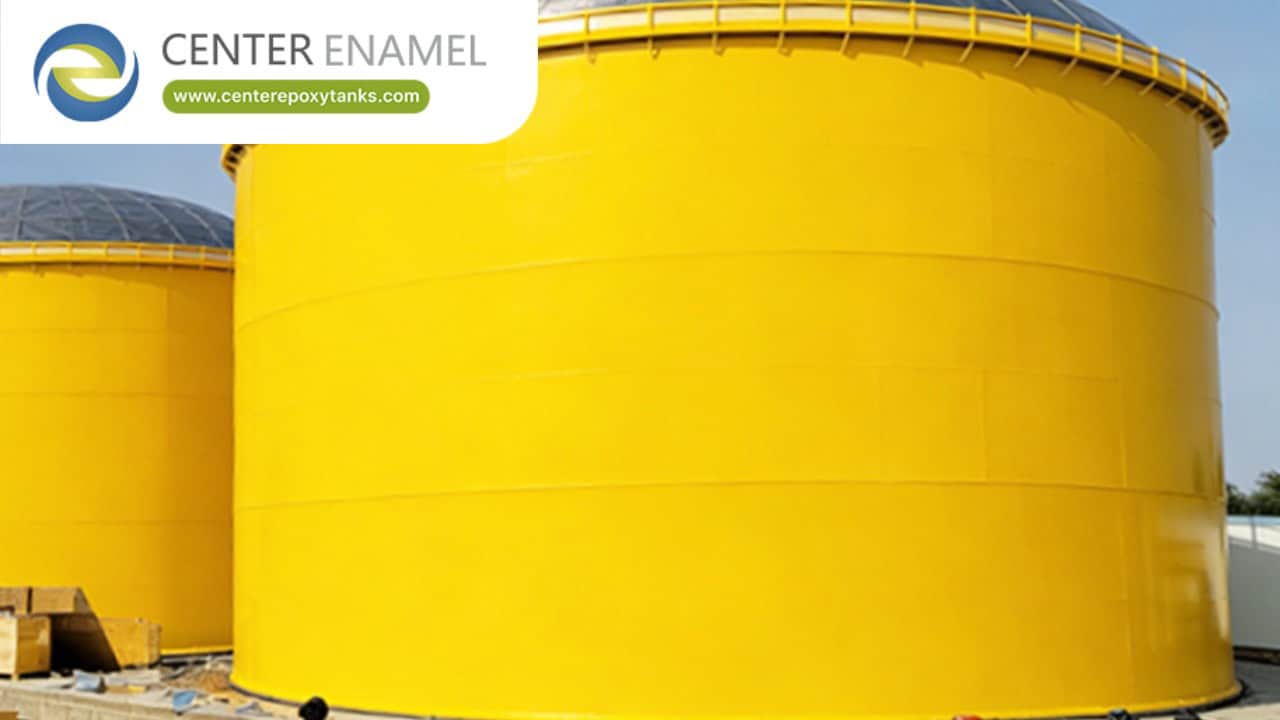
How to Choose the Best Chemical Storage Tank: A Critical Engineering Guide
Selecting the right industrial storage tank is a mission-critical decision. Choosing a tank based solely on capacity or price is a common oversight that leads to catastrophic leaks, environmental contamination, and equipment failure. A successful selection process is driven by one primary factor: The Material-to-Media Interface.
This guide outlines the professional methodology for evaluating and procuring a chemical storage tank that ensures long-term operational safety and compliance.
1. The Foundation: Chemical Compatibility Analysis
Before choosing a tank, you must verify the compatibility of your chemicals with the tank material.
● pH Levels: Chemicals with extreme pH levels (pH < 3 or pH > 11) are aggressive and can induce rapid corrosion in metal tanks or degradation in plastics.
● Concentration & Temperature: High concentrations of acids or bases, combined with exothermic reaction temperatures, can accelerate material breakdown.
● Consult the MSDS/SDS: Always reference the Material Safety Data Sheet for your specific media. This document dictates the required handling and storage material specifications.
2. Comparative Overview of Tank Materials
The material you choose determines the tank's service life, maintenance requirements, and overall safety profile.
Material | Best Applications | Pros | Cons |
Stainless Steel (304/316L) | High-purity, Flammable, Food-grade | High strength, fire-resistant, hygienic | Expensive, susceptible to specific pitting |
Glass-Fused-to-Steel (GFS) | Industrial wastewater, Leachate | Superior corrosion resistance, "fit & forget" | Professional installation required |
High-Density Polyethylene (HDPE) | Corrosive acids, alkalis | Lightweight, cost-effective, non-reactive | Limited pressure/heat resistance |
Fiberglass (FRP) | Harsh chemical environments | Custom-molded, lightweight, durable | Can be expensive, requires specialized resin |
3. Engineering & Regulatory Compliance
Professional-grade chemical storage must adhere to rigorous international standards. Never procure a tank without verifying its adherence to these benchmarks:
● International Standards: Look for tanks designed according to API 650 (for welded tanks), ASME (for pressure vessels), or ISO 28765 (for enamel/glass-fused coatings).
● Secondary Containment (Bunding): Regulatory bodies generally mandate that storage areas be surrounded by a bunding system capable of holding 110% of the largest tank’s total capacity in the event of a primary failure.
● Venting & Emission Control: Industrial chemicals often produce hazardous vapors. Ensure your tank design includes appropriate Pressure/Vacuum Relief Valves (PVRV) and, if necessary, scrubbers to mitigate toxic emissions.
4. Operational Safety Features
Modern chemical storage requires more than just a shell. To minimize risk, evaluate your potential tanks for the following features:
● Leak Detection: Integrated sensor systems that interface with plant SCADA or control systems to alert operators to early-stage containment failure.
● Integrity Monitoring: Translucent strips or electronic level gauges to monitor volume without compromising the sealed environment of the tank.
● Discharge Design: Ensure the tank design allows for complete drainage (100% discharge) to prevent chemical buildup and cross-contamination risks.
Frequently Asked Questions (FAQ)
Q: Can I store multiple chemicals in a single tank?
A: No. Cross-contamination poses a severe safety risk. Storing different chemicals in the same tank can cause dangerous exothermic reactions, degrade internal linings, and violate environmental safety regulations. Always dedicate a specific tank to a specific chemical or compatible chemical class.
Q: What is the most important document to review before buying a tank?
A: The Material Safety Data Sheet (MSDS/SDS) for your specific chemical. It provides the essential information regarding chemical reactivity, required storage temperatures, and compatibility with materials like steel, polyethylene, or glass.
Q: Why is secondary containment (bunding) mandatory?
A: Secondary containment is a regulatory requirement designed to prevent catastrophic environmental damage. If the primary tank fails, the bund ensures the hazardous liquid is trapped, preventing it from reaching groundwater, local drainage, or surrounding soil.
Q: How often should chemical storage tanks be inspected?
A: A professional inspection should be conducted at least annually. This includes checking for signs of surface degradation, verifying the integrity of all gaskets and seals, and testing the functionality of venting, level monitoring instrumentation, and pressure relief systems.
Are you currently evaluating containment solutions for a complex chemical processing project? Ensuring your specifications align with your media’s properties is the best way to safeguard your facility and your budget.
Follow-up question: Are you currently seeking a storage solution for a specific type of hazardous chemical, or are you looking for an overall material compatibility guide for your facility?


