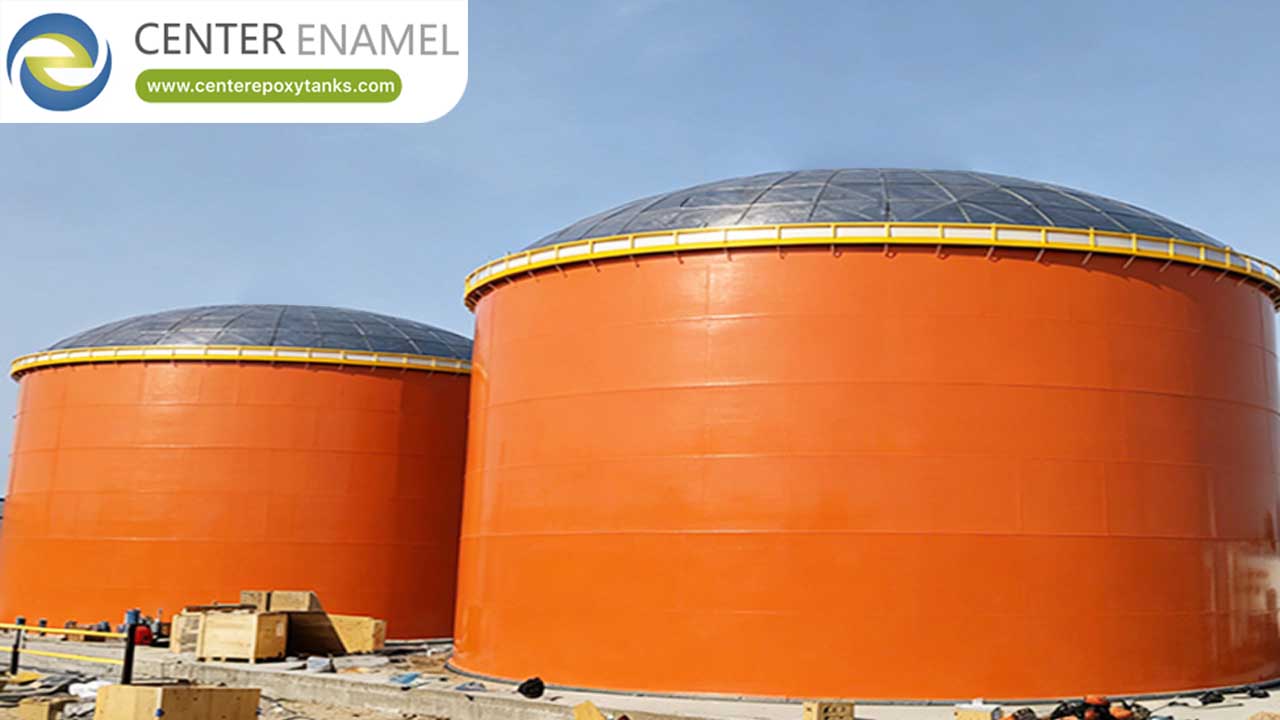
Aluminum Dome Roofs for LNG Storage Tanks: Span, Load, and Safety
For aluminum dome roof LNG storage tanks, the right tank is defined by the stored medium, the duty cycle, and any coating or approval rule — not a single headline number. LNG tanks need a light, cryogenic-compatible cover. A aluminum dome roof (lng) built with a verified coating system and correct sizing delivers a safe, low-maintenance installation.
What An Aluminum Dome Roof Is
An aluminum geodesic dome is a clear-span, bolted space-frame roof that covers a storage tank without internal columns. For aluminum dome roof LNG storage tanks, it is a weather and emission cover that also cuts the exposed surface and the maintenance load on the shell.
LNG tanks need a light, cryogenic-compatible cover. The aluminum structure is light, corrosion-resistant, and assembled on site from standardized nodes and struts.
Clear Span, Loads, And Geometry
The geodesic (triangulated) geometry carries snow, wind, and equipment loads across the dome without internal supports, which keeps the full tank diameter clear for floating roofs, mixers, or filling.
Diameter is the governing dimension: larger spans need deeper trusses and more nodes, but the bolted aluminum system scales to very large tanks that a steel roof would struggle to span economically.
Emission, Weather, And Safety Role
A dome limits rainwater entry, reduces vapor escape at the rim, and can be detailed with a rim seal or a secondary seal to support VOC compliance alongside a floating roof.
Because aluminum does not rust, the roof needs little maintenance and avoids the coating programs required on a steel roof in corrosive or coastal service.
Dome Vs Floating Roof - Complementary, Not Interchangeable
A floating roof controls vapor inside the tank by removing the vapor space; a dome is an external cover. On volatile product tanks the two are often combined: floating roof for vapor control, dome for weather and emission containment.
On water, sludge, or low-volatility tanks, a dome alone may be enough - it keeps out rain and debris and protects the contents without a floating deck.
Selection Factors
Match the dome to the tank diameter, the design snow/wind load, and any emission rule. Confirm the connection to the shell, the access, and the interface with a floating roof if one is present.
For siting in coastal or high-corrosion environments, the aluminum alloy and the fastener specification should suit the exposure class.
How To Specify This Tank
1. Define the medium and duty: confirm the lng storage specifics — chemistry, temperature, solids, and any approval such as NSF-61 / WRAS for potable-adjacent duty.
2. Set the capacity from the real driver — demand, retention time, or the fire hydraulic calculation — rather than a generic rule of thumb.
3. Choose the shell and lining: a bolted, factory-coated steel tank with the lining matched to aluminum dome roof (lng) duty and environment.
4. Agree ancillaries and standards with the engineer of record — nozzles, roof type, level and pressure control, bunding, and the applicable codes.
5. Verify at acceptance: coating certificate, lining inspection, and a hydrostatic or gas-tightness test before handover.
Common Pitfalls To Avoid
· Specifying a size before the medium and duty are known — the lining and volume must follow the process.
· Treating the roof, membrane, or cover as a late add-on — it must be matched to the shell at design time.
· Skipping the lining inspection and pressure or hydrostatic test, which is where most lifecycle problems begin.
· Assuming one coating fits every product — verify compatibility with the actual stored medium and temperature.
Procurement, Delivery, And Commissioning
For aluminum dome roof (lng) in lng storage, procurement should lock the coating specification and the quality evidence — coating certificate, lining inspection, and test record — before shipment. Bolted panels arrive flat-packed; site erection is fast, and the tank can later be dismantled and re-erected if the duty or location changes.
During commissioning, confirm level and pressure instrumentation, verify the lining survived transport and erection, and document the as-built condition. A documented handover supports permitting, audit, and a sensible maintenance plan over the tank's service life.
Lifecycle, Maintenance, And Inspection
A aluminum dome roof (lng) is a long-life asset when the lining and structure are specified and verified for the duty. For lng storage, plan routine checks of the lining, the roof or membrane, nozzles, and level or pressure instruments, and keep a record of the as-built coating and test evidence for audit and warranty purposes.
Bolted construction makes future expansion, relocation, or re-coating straightforward compared with a welded tank. Where the medium or regulation changes, the same shell can often be re-lined rather than replaced, which protects both budget and uptime over the service life.
Technical Specifications To Confirm
Parameter | What to specify |
Medium / product | LNG storage — confirm chemistry, temperature, solids |
Capacity | From demand, retention time, or hydraulic calc |
Coating / lining | Epoxy or FBE; NSF-61 / WRAS if potable-adjacent |
Shell | Bolted steel (GFS / epoxy / stainless per duty) |
Roof | Sealed, dome, floating, or double-membrane per application |
Standards | ISO 28765, AWWA D103, NFPA 22 / EN 12845 as applicable |
Ancillaries | Nozzles, mixers, level control, bunding, access |
Center Enamel Capability For LNG storage
Center Enamel supplies bolted steel tanks — including epoxy-coated, FBE, GFS, galvanized, and stainless builds — for lng storage and adjacent duties such as fire-protection water, drinking water, municipal and industrial wastewater, and biogas. Each tank is engineered to the medium, with a factory-controlled coating, documented material spec, and lining inspection at acceptance.
· Coating systems specified per medium, including NSF-61 / WRAS where potable-adjacent.
· Bolted panels for fast erection and easy relocation or expansion.
· Relevant references: ISO 28765, AWWA D103, NFPA 22 / EN 12845 as applicable.
Frequently Asked Questions
Q: What is an aluminum geodesic dome roof?
A: A clear-span, bolted space-frame roof of aluminum nodes and struts that covers a tank without internal columns.
Q: Why no internal columns?
A: The triangulated geodesic geometry carries loads across the span, keeping the full diameter clear for floating roofs, mixers, or filling.
Q: Does a dome control vapor?
A: It limits rain entry and rim vapor escape and can pair with a rim seal for VOC compliance, but it is a cover - a floating roof does the vapor control inside.
Q: Is aluminum durable?
A: Aluminum does not rust, so the roof needs little maintenance and avoids the coating programs a steel roof needs in corrosive service.
Q: What diameter can a dome span?
A: Very large; the bolted aluminum system scales to diameters that a steel roof would struggle to span economically, with deeper trusses for bigger spans.
Q: When is a dome used alone?
A: On water, sludge, or low-volatility tanks where weather and debris protection are enough without a floating deck.
Aluminum Dome Roofs for LNG Storage Tanks: Span, Load, and Safety comes down to matching the aluminum dome roof (lng) to the medium, the duty, and the applicable standard. Specify the lining and sizing from the real operating condition, verify the coating and hydrostatic test at acceptance, and the installation will perform.
Request A Specification
Discuss your project with a Center Enamel engineer: share medium, capacity, site, and any approval requirement, and receive a tailored tank specification and quotation.


