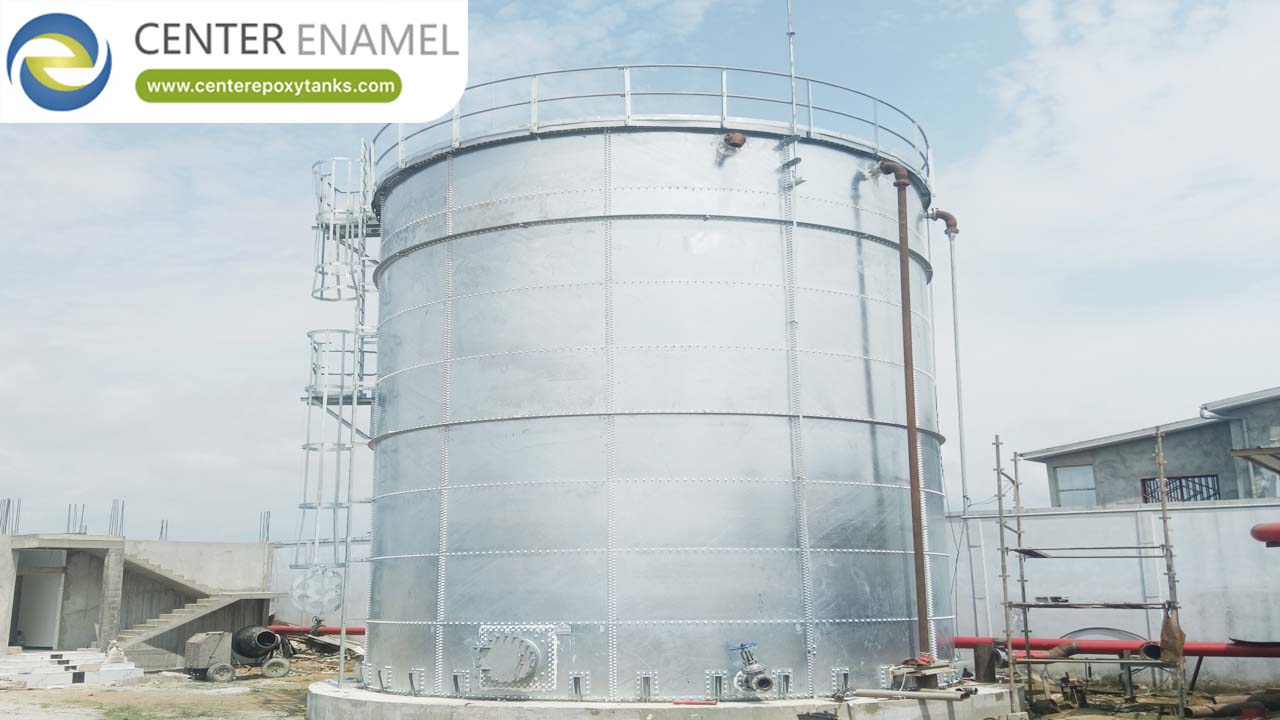
Galvanized Steel Fish Pond: An Engineering & Procurement Guide
Galvanized steel tanks have become a popular solution for land-based aquaculture and Recirculating Aquaculture Systems (RAS) due to their structural integrity and cost-efficiency. However, because aquaculture involves living organisms, the choice of material requires a nuanced understanding of metallurgical chemistry and environmental interaction.
While galvanized steel offers exceptional mechanical strength and longevity, project managers must carefully evaluate the risk of zinc leaching—a factor that varies significantly depending on water chemistry and the specific requirements of the aquatic species being farmed.
1. Structural Advantages in Aquaculture
Galvanized steel—steel coated with a layer of zinc—provides a high strength-to-weight ratio, making it an ideal choice for large-volume, land-based fish production.
● Mechanical Durability: Unlike earth-based ponds, steel tanks provide a rigid, predictable environment. They resist physical impact, weather degradation, and ground movement, ensuring the structural stability of the system over a 20–30 year service life.
● Controlled Environment: Using a closed-system steel tank allows farmers to precisely monitor and regulate water quality parameters, including temperature, oxygen levels, pH, and nutrient concentration, which are essential for commercial-grade fish yields.
● Modular Scalability: Many commercial systems use bolted panel technology, allowing for custom configurations and easy transport to remote sites.
2. Critical Safety Considerations: The Zinc Factor
The primary point of debate regarding galvanized steel in aquaculture is the potential for zinc leaching. Zinc is a micronutrient, but at high concentrations—or in acidic water conditions—it can be toxic to fish.
● Leaching Risks: If the zinc coating is exposed to low-pH (acidic) water, zinc ions may dissolve into the water column. This can cause stress or, in extreme cases, fish mortality.
● Mitigation Strategies:
○ Tank Liners: Many professional aquaculturists use food-grade, fish-safe pond liners (e.g., EPDM or HDPE) inside the galvanized structure. This creates a physical barrier between the water and the steel, effectively eliminating the risk of metallic leaching.
○ Coating Integrity: High-quality industrial tanks often incorporate secondary epoxy or polymer coatings over the galvanized surface to ensure a non-reactive interior.
○ Water Chemistry Monitoring: Maintaining stable pH levels and utilizing water conditioners can help neutralize heavy metal ions if they are present.
3. Comparison of Material Suitability
Material | Durability | Suitability for Fish | Cost-Effectiveness |
Galvanized Steel | High | Conditional (Requires liner/coating) | High |
Stainless Steel | Very High | Excellent (Inert) | Lower |
Plywood/Fiberglass | Moderate | Excellent | Variable |
Earth/Clay Dike | Low (Maintenance-heavy) | Excellent | High (Land required) |
4. Best Practices for Installation
If you decide to utilize a galvanized steel tank for your fish pond, professional installation and maintenance are required to protect your investment and your livestock:
1. Site Foundation: Always install on a level, compacted concrete base. Uneven weight distribution can stress the bolted seams and lead to structural compromise over time.
2. Barrier Protection: If the system is not specifically designed as a "fish-safe" unit, prioritize the installation of a high-quality, fish-safe pond liner to isolate the water.
3. Regular Monitoring: Routinely test water for zinc and other metal concentrations, especially during the startup phase.
4. Inspection: Perform annual inspections of the zinc coating for signs of abrasion or scratching. If the galvanized layer is compromised, apply a cold-galvanizing repair compound or protective sealant immediately.
Frequently Asked Questions (FAQ)
Q: Are galvanized steel tanks safe for aquaponics?
A: Many experts advise caution. Aquaponics involves both fish and plants; while plants can sometimes tolerate higher zinc levels, fish are highly sensitive. Using a tank liner is standard practice in aquaponics to avoid potential toxicity.
Q: How does salt water affect galvanized steel ponds?
A: Saltwater is highly corrosive to zinc. In marine or brackish aquaculture, galvanized steel should be avoided unless it is protected by a heavy-duty, marine-grade epoxy or a high-integrity plastic liner to prevent rapid degradation.
Q: How do I know if my galvanized tank is "fish-safe"?
A: Check with the manufacturer to see if they provide a specific "aquaculture" or "food-grade" coating. If the manufacturer does not explicitly label it for fish, it is safer to treat the tank as industrial-grade and install a food-safe pond liner.
Galvanized Steel Fish Pond Construction
This short video provides a visual overview of how galvanized steel structures are assembled for aquaculture, demonstrating the modular panel design commonly used in the industry.


