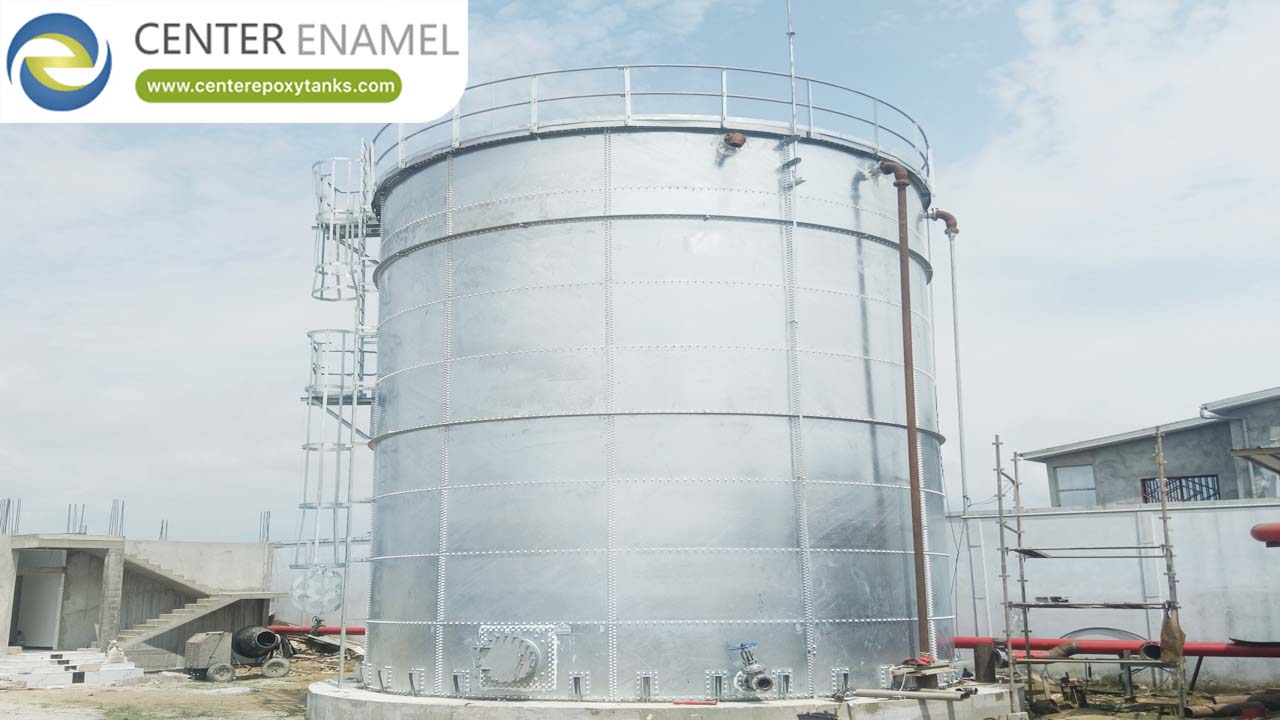
Galvanized Steel Fish Farming Tanks: The Aquaculture Infrastructure Guide
A galvanized steel fish farming tank is a modular, high-durability aquaculture enclosure engineered for land-based fish farming and Recirculating Aquaculture Systems (RAS). These tanks are constructed from hot-dip galvanized steel panels that are bolted together on-site, offering superior structural strength and a high strength-to-weight ratio compared to concrete or plastic. To maintain optimal water chemistry and protect the metallic structure from the corrosive aquatic environment, these tanks are typically paired with high-quality, food-grade liners (e.g., EPDM, PVC, or HDPE). This combination provides a cost-effective, scalable, and long-lasting solution for hatcheries, nurseries, and intensive grow-out operations.
Why Choose Galvanized Steel for Aquaculture?
For commercial aquaculture, infrastructure isn't just a container; it's a production tool. Galvanized steel has emerged as a preferred material for large-scale operations due to its ability to balance capital investment with operational longevity.
1. Modular Scalability
Unlike monolithic concrete pools, galvanized steel tanks are modular. As your fish farm grows, you can easily add or expand tanks. Because they are bolted together, they can be assembled in remote areas where pouring large quantities of concrete or transporting pre-molded large plastic tanks is logistically impossible.
2. Structural Integrity for RAS
Recirculating Aquaculture Systems (RAS) place high demands on tank walls due to constant water flow, pressure from filtration systems, and internal agitators. Steel panels provide the rigidity needed to maintain shape without deforming, ensuring that your system hydraulics remain constant over time.
3. Cost-Effective Large-Scale Storage
For large-diameter grow-out tanks (often 10m+ in diameter), concrete can be prohibitively expensive, and plastic/fiberglass tanks often reach a "size cap" or become structurally unstable. Galvanized steel provides the most economical cost-per-liter for large-volume water storage.
Comparative Material Analysis
Choosing the right material depends on your specific fish species, stocking density, and long-term business model.
Feature | Galvanized Steel (+Liner) | Reinforced Concrete | Plastic (HDPE/Poly) |
Upfront Cost | Moderate | High | Low (Small scale) |
Installation | Fast (Bolt-together) | Slow (Civil works/Curing) | Very Fast (Molded) |
Scalability | High | Low | Moderate |
Maintenance | Periodic Liner Inspection | High (Crack repair) | Low |
Lifespan | 20–30+ Years | 30–50+ Years | 10–20 Years |
Best For | Large RAS/Grow-out | Permanent high-load sites | Hatcheries/Quarantine |
Critical Technical Considerations
If you are specifying galvanized steel tanks for your fish farm, there are three non-negotiable engineering requirements:
The Liner System: Galvanized steel should rarely be in direct contact with the culture water, especially in RAS environments where pH and salinity fluctuate. Use high-quality, food-grade liners (EPDM or reinforced PVC) to act as the primary barrier. This protects the steel from corrosion and ensures no zinc leaching occurs, protecting fish health.
Foundation Stability: While steel tanks are lighter than concrete, they are not weightless. A properly compacted, level gravel or concrete ring foundation is essential to prevent settling. Uneven settling can stress the bolted seams, leading to potential leaks.
Corrosion Management: In coastal aquaculture where salt-spray is present, or in facilities with high-humidity/high-ammonia environments, ensure your panels are specified with a heavy-duty G-90 (or higher) galvanization rating. For extreme environments, consider a "Duplex" coating—galvanization plus an epoxy top-coat.
Frequently Asked Questions (FAQ)
Q: Is it safe for the fish to touch the galvanized steel?
A: In aquaculture, we almost exclusively use liners. The liner creates a physical barrier, ensuring the fish never touch the steel. This also simplifies cleaning—you can scrub the liner without worrying about damaging the steel’s protective zinc coating.
Q: Can these tanks be used for saltwater/brackish farming?
A: Yes, but caution is required. Saltwater is highly corrosive. For saltwater applications, we recommend high-quality, heavy-duty liners and regular inspections of the tank's exterior. If possible, opt for stainless steel or epoxy-coated panels for saltwater to ensure a longer service life compared to standard galvanized steel.
Q: How often do I need to replace the liner?
A: Depending on the liner material (e.g., EPDM vs. PE) and the intensity of your cleaning protocols, liners typically last 10–15 years. Replacing a liner is significantly cheaper and faster than replacing a whole tank, which is a major operational advantage for galvanized systems.
Q: Are these tanks suitable for Recirculating Aquaculture Systems (RAS)?
A: Yes, they are a standard choice for RAS. Because the tanks can be fitted with custom penetrations for pipes, drains, and aeration systems during the panel manufacturing stage, they integrate seamlessly into complex filtration setups.
Are you currently in the design phase for a new aquaculture facility, or are you looking to retrofit existing infrastructure with more reliable storage tanks?


