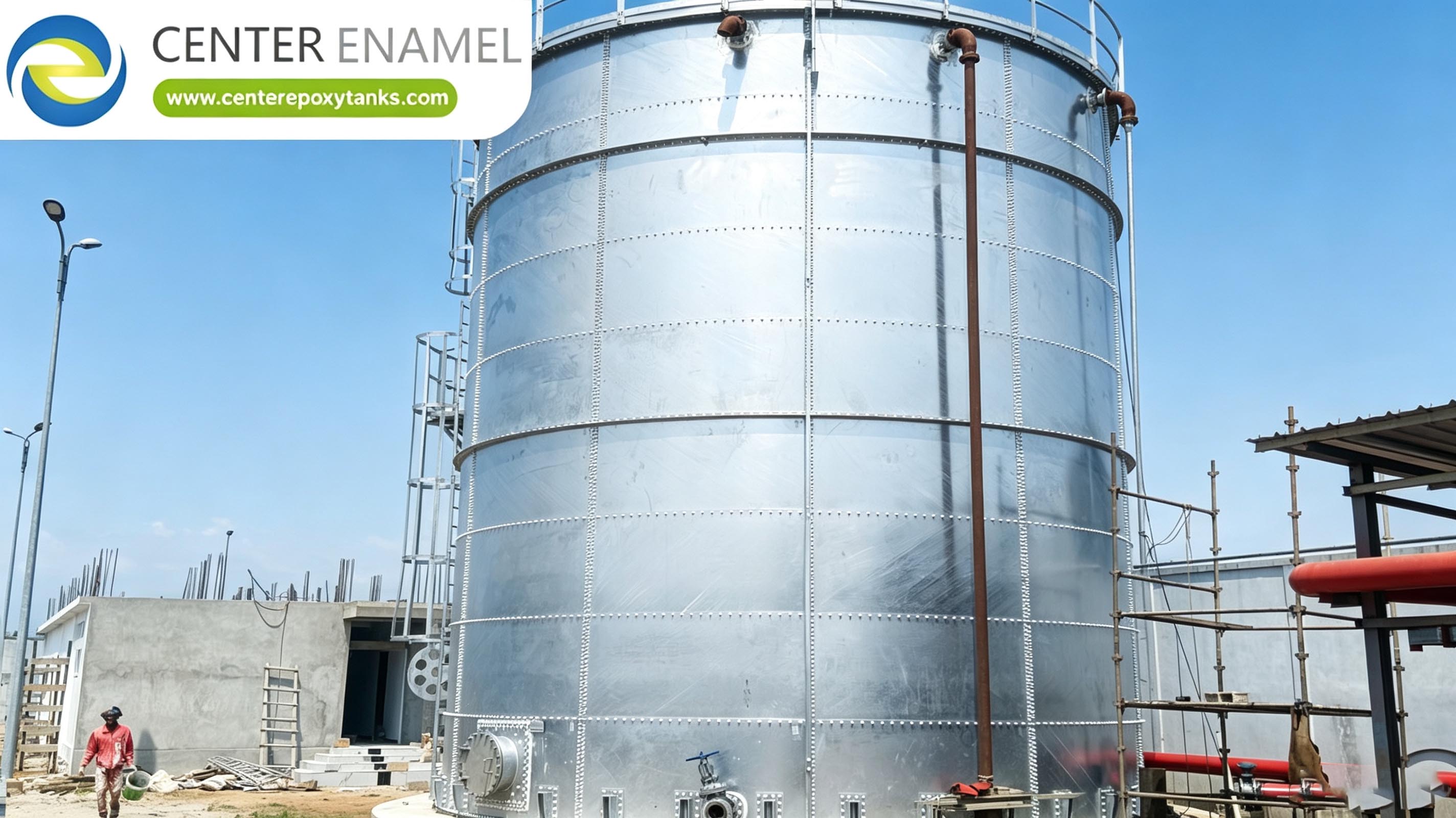
Galvanized Steel Fire Suppression Water Tanks: A Complete Engineering Guide
Why Galvanized Steel Tanks Are the Industry Standard
For industrial warehouses and high-risk facilities, a dedicated, reliable water supply is the critical backbone of an effective fire suppression system . Galvanized steel fire suppression water tanks have become the industry-preferred solution over field-welded or concrete structures due to their unique combination of structural strength, corrosion resistance, and rapid deployment capabilities
1. Exceptional Durability and Corrosion Resistance
The galvanization process involves coating steel panels with a thick layer of zinc, which serves as a "sacrificial anode" . If the tank's surface is scratched during installation or use, the zinc corrodes preferentially to the steel, effectively "healing" the breach and preventing rust [1.3.1, 1.3.2]. This makes galvanized steel tanks ideal for long-term use in challenging environments, including those with high winds or seismic risks
2. Rapid, Modular Assembly
Unlike concrete tanks that require long curing times, or field-welded tanks that necessitate dangerous on-site "hot work," galvanized steel tanks are prefabricated and bolted together This modularity significantly reduces installation time and costs, allowing facilities to become operational and code-compliant much faster
3. Regulatory Compliance (NFPA 22)
Fire protection systems are highly regulated. Galvanized steel tanks are engineered to meet or exceed the NFPA 22 (Standard for Water Tanks for Private Fire Protection), ensuring they provide the necessary capacity, structural integrity, and reliability required by local fire safety authorities
Technical Performance Matrix
Feature | Galvanized Bolted Steel | Reinforced Concrete | Welded Carbon Steel |
Installation Speed | Fast (Modular) | Very Slow (Pour-in-place) | Moderate |
Corrosion Resistance | Excellent (Zinc Coating) | Low (Rebar rusting) | Requires ongoing coating |
Maintenance | Minimal (Panel Inspection) | High (Crack repair) | High (Internal repainting) |
Seismic Performance | Highly Ductile | Rigid (Crack prone) | Ductile |
Cost-Efficiency | High (Best TCO) | Low (High labor costs) | Moderate |
Frequently Asked Questions (FAQ)
Q: Are galvanized steel fire water tanks compliant with NFPA 22?
A: Yes. These tanks are specifically engineered to meet the structural and design requirements mandated by NFPA 22, ensuring reliability for private fire protection systems
Q: How long do these tanks typically last?
A: With routine inspections and proper maintenance, galvanized steel tanks can last for decades. The zinc coating is designed to provide long-term protection for the duration of the tank's service life
Q: Is a liner required for a galvanized steel fire tank?
A: While the galvanization provides robust protection, many industrial specifications recommend an NSF-61 approved liner to create a physical barrier, extend service life, and prevent contact with aggressive water chemistries
Q: Can these tanks be used in cold climates?
A: Absolutely. To ensure compliance with NFPA 22 in freezing temperatures, these tanks can be equipped with integrated heating systems, such as internal immersion heaters and thermal insulation, to keep water above 40°F (4.4°C)


