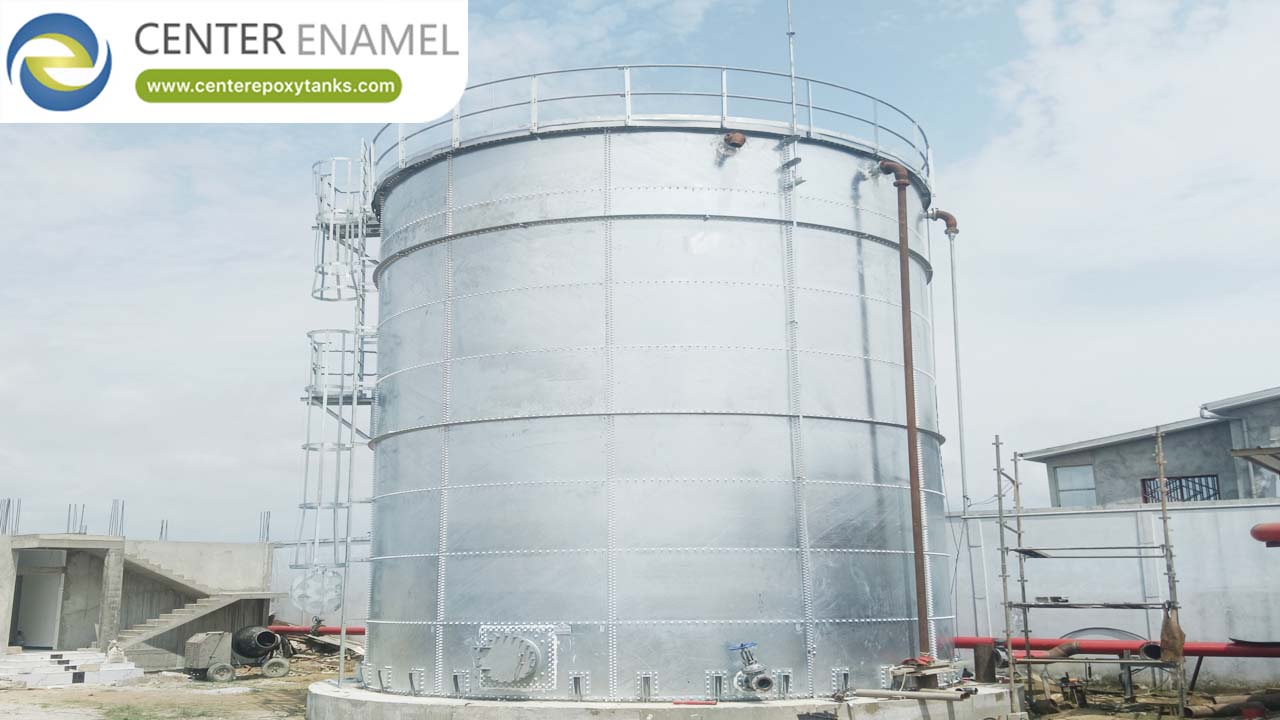
Galvanized Steel Corrugated Grain Storage Silos: Elevating Preservation Efficiency
Galvanized steel corrugated grain storage silos are engineered containment structures designed to provide optimal, long-term preservation for bulk grains. By utilizing hot-dip galvanized steel sheets with high-zinc coatings (typically 350 g/m² to 600 g/m²), these silos offer superior resistance to atmospheric corrosion and structural weathering. The corrugated geometry increases the load-bearing capacity and rigidity of the sidewalls, allowing for taller, more compact storage footprints. When combined with automated aeration, thermometry, and moisture monitoring systems, these silos create a controlled micro-environment that minimizes spoilage, prevents pest infestation, and maintains grain grade quality, significantly reducing post-harvest losses.
Engineering Pillars of Corrugated Steel Silos
For procurement managers and agricultural engineers, the performance of a grain silo is determined by its material science and structural design.
High-Strength Corrugation: The corrugated profile is not merely aesthetic; it is a structural necessity. It increases the section modulus of the steel plate, allowing for thinner materials to bear higher vertical loads. This design effectively resists the internal "hoop stress" exerted by stored grain while remaining lightweight.
Advanced Corrosion Protection: Galvanization (zinc coating) acts as a sacrificial anode. High-quality silos now standardize at 350 g/m², with premium commercial units utilizing 600 g/m² for high-humidity or coastal environments. This creates a self-healing barrier that prevents rust, ensuring the structural integrity of the bin for 20+ years.
Sealed Architecture: Modern silo designs prioritize airtightness. Tight-fitting seams and high-grade rubber-gasketed hardware prevent moisture ingress and allow for effective fumigation, critical for long-term storage of sensitive commodities like wheat, corn, and oilseeds.
Comparative Overview: Grain Storage Solutions
Feature | Corrugated Steel Silo | Concrete Silo | Flat Storage Shed |
Construction Speed | Fast (Bolted/Modular) | Slow (Cast-in-place) | Moderate |
Moisture Control | Excellent (Sealed) | Moderate (Porous) | Low (Risk of condensation) |
Pest Prevention | High (Airtight) | Moderate | Low |
Monitoring Integration | Seamless (Sensors/IoT) | Difficult | Very Difficult |
Life Cycle Cost | Low (Minimal maintenance) | High (Structural repair) | Moderate (Floor/Roof work) |
Technical Benchmarks for Infrastructure Selection
When specifying or sourcing grain storage infrastructure in 2026, ensure the design meets these industrial requirements:
Material Standards: Use high-tensile strength galvanized steel, typically with a yield stress of 350 MPa to 450 MPa.
Structural Integrity: Designs should adhere to Eurocode 1 or ANSI/ASAE standards to account for local wind, snow, and seismic loads.
Aeration Geometry: Silos should incorporate perforated floor systems or circular aeration ducts designed for even airflow distribution. Avoid "dead zones" where moisture can accumulate.
Smart Integration: Modern silos are no longer passive boxes. Seek integration with IoT grain monitoring cables that track temperature and moisture at multiple levels, providing real-time data to your plant management software.
Frequently Asked Questions (FAQ)
Q: How does corrugated steel impact grain flow?
A: While corrugation provides strength, smooth-wave or high-quality corrugated profiles are designed to minimize grain adhesion. Proper hopper angles and discharge flow rates are determined by the grain type (angle of repose) rather than the wall corrugation itself.
Q: Can these silos be used for both long-term and transit storage?
A: Yes. Their modular nature allows them to be used for strategic reserves (long-term, 1+ years) when equipped with nitrogen-inerting or advanced cooling systems, or as high-turnover transit bins in port facilities.
Q: How do you prevent condensation in a steel silo?
A: Condensation is managed through a combination of proper roof ventilation, aeration fans that push air based on ambient humidity levels (differential control), and, in extreme climates, the use of insulated roofs or passive thermal barriers.
Optimizing Your Grain Storage Strategy
The transition to modern, automated, and high-performance steel silos is the most effective way to preserve the market value of your harvest. Whether you are expanding a farm's storage capacity or designing a commercial processing terminal, the durability and flexibility of corrugated galvanized systems provide the highest ROI.
Are you designing a new facility or upgrading an existing grain handling layout?
[Contact our engineering team] for a structural load assessment, capacity calculation, or to receive a custom design proposal for your specific crop types and site conditions.
Would you like a detailed breakdown on integrating automated temperature monitoring systems into your existing silo fleet to support 2026 precision agriculture standards?


