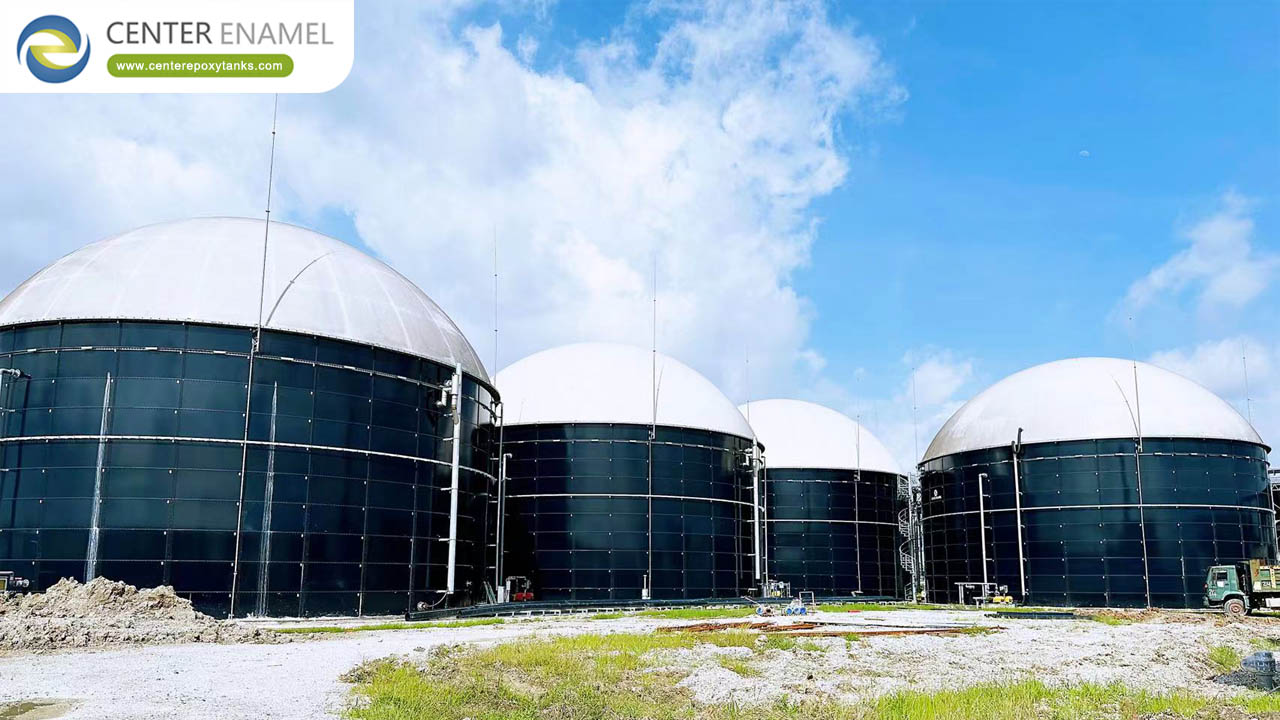
Flexible Single Membrane Roofs: Optimizing Biogas Production in Bolted Steel Tanks
Flexible single membrane roofs serve as the primary environmental seal for anaerobic digesters, essential for maximizing biogas production by maintaining a strictly anaerobic (oxygen-free) environment. By covering bolted steel tanks with high-strength, UV-resistant PVC or PVDF-coated fabrics, operators prevent the ingress of ambient air and moisture, which are critical for stable microbial activity. Unlike rigid steel roofs, these single membrane covers are chemically inert, resistant to the corrosive hydrogen sulfide (H2S) environment of a digester, and provide a cost-effective, durable solution that integrates seamlessly with modular bolted steel tank construction.
The Technical Necessity of a Controlled Environment
Biogas production is a biological process driven by methanogenic bacteria. These organisms are highly sensitive to their environment; even minor fluctuations in oxygen levels or temperature can inhibit gas yield.
A flexible single membrane roof provides a critical operational advantage: Hermetic Sealing.
Oxygen Exclusion: Biogas digesters must be oxygen-free. A single membrane roof creates a tight seal that prevents air from entering the digester. By keeping O2 levels at near-zero, you ensure the bacteria focus their metabolic energy on methane production rather than oxidative stress.
Corrosion Resistance: The headspace of a biogas digester is filled with water vapor and hydrogen sulfide (H2S), which aggressively corrodes carbon steel. A flexible membrane acts as a protective barrier, separating the tank’s structural headspace from the aggressive gas, thereby extending the service life of the tank itself.
Temperature Regulation: While the membrane itself is flexible, it provides an additional barrier against direct wind cooling, helping to stabilize the internal temperature of the digestate—a vital factor for mesophilic and thermophilic digestion processes.
Synergy: Single Membrane Roofs + Bolted Steel Tanks
The combination of bolted steel tanks and flexible membrane covers is widely regarded as the "Gold Standard" for modern, decentralized biogas plants.
Feature | Bolted Steel Tank + Single Membrane | Concrete/Fixed Steel Roof |
Gas Tightness | High (Custom-sealed perimeter) | Moderate (Prone to cracking) |
Headspace Corrosion | Low (Membrane protection) | High (Direct exposure) |
Installation Time | Rapid (Modular assembly) | Slow (Field construction) |
Flexibility | Allows for slight pressure changes | Rigid/Prone to pressure failure |
Maintenance | Low (Minimal physical intervention) | High (Coating/Crack repair) |
Engineering Specifications for Reliability
To ensure the membrane enhances—rather than hinders—production, high-quality manufacturers focus on three key engineering pillars:
Material Composition: Membranes are fabricated from high-tenacity polyester fabrics coated with PVC or PVDF. This composite material is specifically engineered to be resistant to the corrosive off-gases of manure, crop straw, and organic waste.
Perimeter Anchorage: The stability of the roof depends on the anchor system. Using a specialized clamping ring bolted to the top angle of the steel tank ensures the membrane remains taut regardless of atmospheric pressure changes.
Pressure Regulation: The system is typically equipped with a safety pressure-relief valve. This prevents over-pressurization during gas generation spikes, protecting both the membrane and the steel structure from catastrophic failure.
Frequently Asked Questions (FAQ)
Q: Does a single membrane roof provide gas storage?
A: No. A single membrane roof is primarily a cover and environmental seal. If integrated gas storage is required, a double membrane gas holder should be used. However, for many smaller agricultural digesters, a single membrane roof is sufficient to seal the tank, with gas being routed immediately to an external storage or purification system.
Q: Is it safe for the membrane to contact the digestate?
A: Generally, no. The membrane is designed as a roof cover, not a liner. The internal headspace should be ventilated or managed such that the membrane remains above the slurry level.
Q: Can these membranes withstand harsh weather conditions?
A: Yes. The fabrics are UV-stabilized and engineered to handle wide temperature fluctuations ( -30C to 70C). The flexible nature of the material allows it to resist tearing under high wind loads that might otherwise damage a rigid roof structure.
Partnering for Biogas Efficiency
The efficiency of your biogas plant relies on the integrity of its weakest component. By utilizing high-quality flexible membranes combined with the structural strength of bolted steel tanks, you create a robust, low-maintenance energy production asset.
Are you ready to optimize your anaerobic digestion infrastructure?
Contact our engineering team to receive a structural load calculation, material specifications for your local climate, and a custom tank-and-roof proposal tailored to your daily feedstock volumes.


