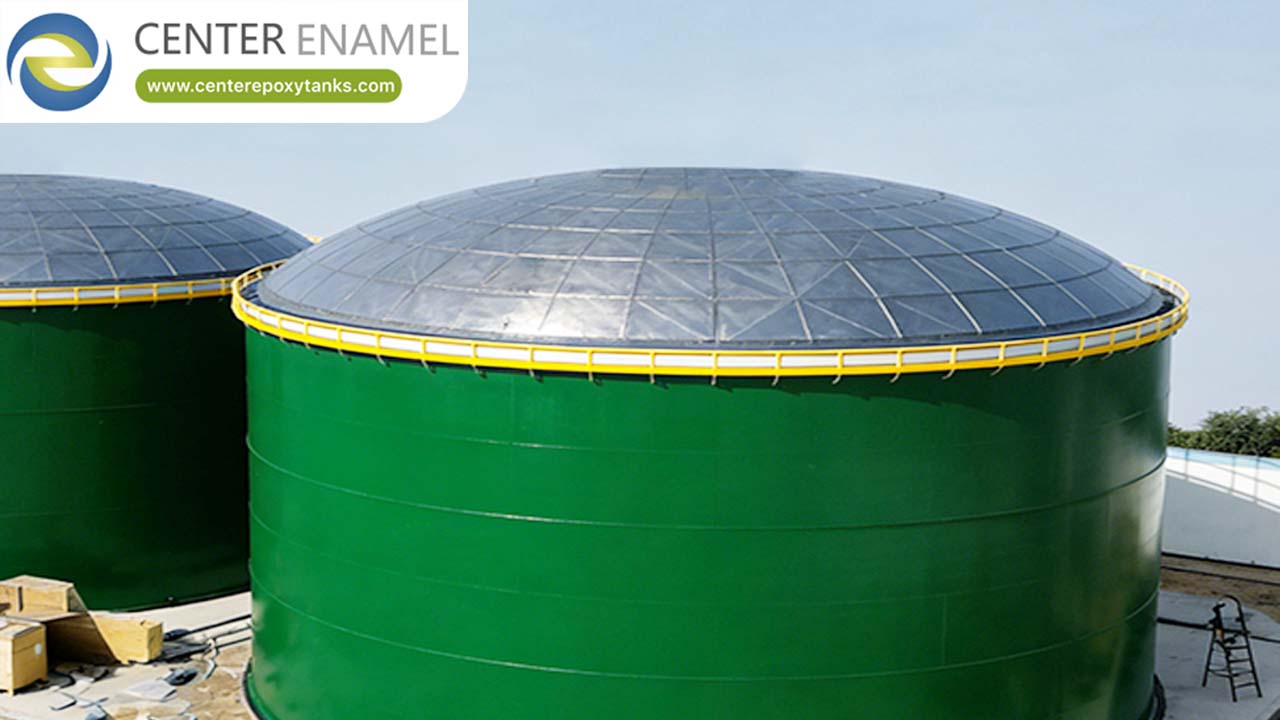
Finished Fuel Storage Tanks: Engineering, Safety Standards, and Petroleum Terminal Design
In the global petroleum supply chain, the transition from crude oil extraction to refined consumer products requires precise handling, strict quality control, and robust containment infrastructure. Once crude oil has undergone fractional distillation and chemical sweetening in a refinery, it becomes a marketable commodity known as finished fuel—including gasoline, diesel, aviation turbine fuel (Jet A-1), and kerosene.
To hold these refined hydrocarbons safely prior to commercial distribution, bulk terminals, airports, and fuel depots rely on finished fuel storage tanks. Unlike crude oil tanks, which frequently deal with heavy sediments, water bottoms, and corrosive sour gases, finished fuel tanks are engineered specifically to preserve product purity, prevent environmental vapor losses, and comply with strict fire safety codes.
Core Engineering Requirements for Finished Fuel Containment
Designing storage infrastructure for volatile and combustible refined products involves adhering to strict engineering specifications to mitigate risk:
Vapor Loss and Emission Control: Refined fuels like gasoline have high vapor pressures and readily release volatile organic compounds (VOCs) when exposed to air. Finished fuel tanks frequently utilize internal floating roofs or vapor recovery units (VRUs) to eliminate headspace and prevent atmospheric pollution.
Purity and Contamination Prevention: Because finished fuels are delivered straight to commercial vehicles, aircraft, or retail pumps, tanks must be free of internal rust, scale, or moisture. This requires specialized interior coatings, epoxy linings, or stainless steel components.
Strict Structural and Fire Safety Codes: Finished fuel storage is strictly regulated by international safety frameworks such as API 650 for large field-erected vertical tanks, UL 142 for shop-fabricated aboveground units, and NFPA 30 (Flammable and Combustible Liquids Code).
Primary Tank Configurations in Fuel Terminals
Depending on throughput volume, terminal location, and fuel volatility, operators deploy distinct structural tank designs:
Internal Floating Roof (IFR) Tanks: The gold standard for volatile refined fuels (like gasoline). These tanks combine an outer fixed roof (protecting against rain and snow) with an internal floating deck that rests directly on the liquid surface, suppressing vapor emissions by up to 98%.
Cone Roof Tanks with Internal Linings: Frequently used for middle distillates such as diesel and heating oil, which have lower vapor pressures. These tanks feature fixed structural roofs and require specialized interior linings to protect fuel purity from condensation and corrosion.
Double-Wall Horizontal or Vertical Shop-Built Tanks: Commonly deployed at smaller distribution sites, fleet yards, and backup power generation facilities, providing built-in secondary containment.
Data Table: Comprehensive Comparison of Finished Fuel Storage Technologies
Technical Parameter | Internal Floating Roof (IFR) Tanks | Fixed Cone Roof Tanks (Lined) | Double-Wall Horizontal Tanks (UL 142) |
Primary Fuel Applications | High-volatility refined products (gasoline, aviation fuel) | Lower-volatility distillates (diesel, heating oil, kerosene) | Fleet fueling, generator day tanks, and regional depots |
Vapor Emission Control | Excellent; internal deck nearly eliminates breathing and working losses | Moderate; requires venting and optional vapor recovery systems | Superior closed loop; double-wall interstitial space prevents leaks |
Volumetric Capacity | Large-scale bulk terminal capacity (50,000 to 500,000+ barrels) | Moderate to large bulk storage capacities | Small to mid-scale storage (500 to 30,000 gallons) |
Primary Engineering Code | API 650 (Annex H) | API 650 / AWWA D100 standards | UL 142 / UL 2085 fire-protected specifications |
Frequently Asked Questions (FAQ)
Q: What is a finished fuel storage tank?
A: It is an industrial aboveground or underground container engineered to store refined petroleum products—such as gasoline, diesel, and jet fuel—safely prior to distribution and retail use.
Q: Why do finished fuel tanks require different engineering than crude oil tanks?
A: Finished fuels are processed, highly refined, and volatile commodities sensitive to contamination. Unlike crude oil tanks, which tolerate heavy sediments and basic BSW (basic sediment and water), finished fuel tanks prioritize product purity, strict vapor emission control, and advanced interior linings.
Q: How do internal floating roofs reduce fuel evaporation losses?
A: By floating directly on the surface of the liquid, an IFR eliminates the vapor space (ullage) inside the tank, preventing volatile organic compounds (VOCs) from expanding and escaping through tank vents during temperature shifts.
Q: What safety standards govern finished fuel storage tanks?
A: They are governed by rigorous industrial standards including API 650 for welded steel tanks, UL 142 for shop-built aboveground tanks, and NFPA 30 guidelines for managing flammable and combustible liquids.


