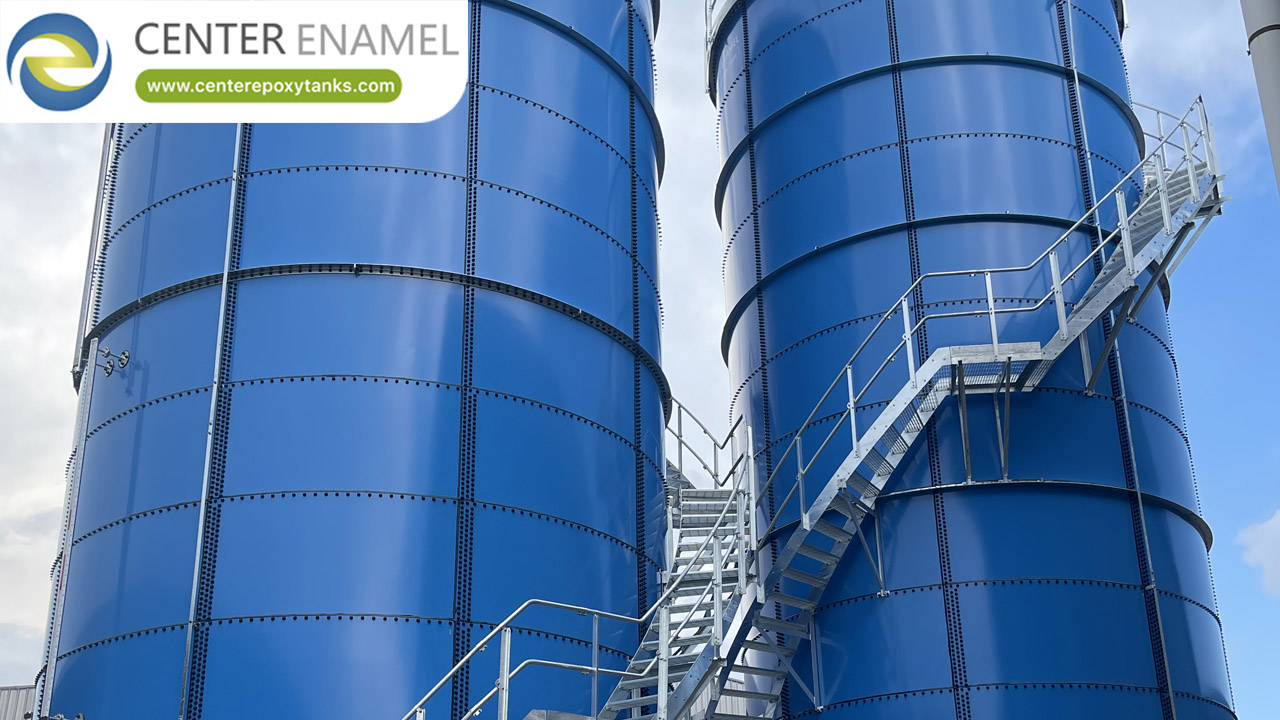
Epoxy Bonded Steel Bolted Tanks: A Reliable Solution for Fire Water Storage
In industrial fire protection, the integrity of your water reserve is the difference between a minor incident and a catastrophic loss. Fusion Bonded Epoxy (FBE) bolted steel tanks provide a superior, corrosion-resistant alternative to traditional concrete or welded steel reservoirs, ensuring that your fire suppression system remains operational when every second counts.
What Are FBE Bolted Steel Tanks?
Fusion Bonded Epoxy (FBE) bolted steel tanks are industrial storage vessels constructed from steel panels that are factory-coated with a specialized, thermally cured epoxy powder. Unlike liquid-applied paints, this fusion process creates a high-density, molecularly bonded polymer shield that is permanently integrated with the steel substrate.
Strategic Advantages for Fire Water Systems
1. Superior Corrosion Resistance
Fire water tanks often sit stagnant, creating ideal conditions for rust and sediment buildup, which can clog sprinkler heads and fire pumps. The FBE coating is "holiday-free" (void-free), meaning it provides a 100% impermeable barrier against moisture. This prevents internal corrosion and ensures that your water supply remains clean and free of debris that could compromise system performance.
2. Rapid, Modular Deployment
Industrial fire safety upgrades often operate under strict timelines. Bolted steel tanks are modular, allowing for "dry" assembly on-site. This eliminates the need for on-site welding, sandblasting, or climate-sensitive curing, reducing installation time by up to 70% compared to traditional concrete or welded tanks.
3. NFPA 22 Compliance and Structural Integrity
These tanks are engineered to meet strict international standards, specifically NFPA 22 (Standard for Water Tanks for Private Fire Protection) and AWWA D103. They are designed to handle specific structural loads, including seismic activity, wind, and the full weight of the water reserve, ensuring they remain functional post-disaster.
Performance Comparison Matrix
Feature | FBE Bolted Steel | Reinforced Concrete | Welded Carbon Steel |
Installation Speed | Fast (Weeks) | Slow (Months) | Moderate |
Corrosion Resistance | Excellent (Inert) | Low (Requires Liner) | Moderate (Needs Painting) |
Maintenance | Minimal | High (Crack Repair) | High (Frequent Recoating) |
Purity/Sediment | Zero (Non-porous) | High (Biofilm risk) | Moderate (Rust flakes) |
Field Repairability | Easy (Epoxy kits) | Difficult | Moderate |
Technical Performance Standards
To ensure the highest reliability, FBE tanks are verified against specific performance parameters:
Adhesion Strength (ASTM D4541): >12 MPa, ensuring the coating will not delaminate under pressure.
Impact Resistance (ASTM D2794): 160 in-lbs, protecting the finish during transportation and assembly.
Testing Voltage (ASTM G62): ≥1100V, ensuring 100% pinhole-free coverage.
Frequently Asked Questions (FAQ)
Q: Do these tanks meet NFPA 22 requirements?
A: Yes. FBE bolted tanks are specifically engineered to comply with NFPA 22 and AWWA D103, meeting the structural and safety requirements for private fire protection water storage.
Q: Are they suitable for fire systems in cold climates?
A: Yes. When paired with appropriate insulation and internal heating systems (as required by NFPA 22 for freezing temperatures), these tanks provide reliable service in even the harshest environments.
Q: Can these tanks be repaired if they are damaged?
A: Unlike glass-fused-to-steel tanks, FBE coatings can be effectively patched in the field using specialized repair kits. This allows for quick restoration of the barrier without requiring the tank to be taken out of service for extended periods.
Q: Why are they better than traditional welded steel tanks?
A: Welded tanks rely on field-applied coatings, which are susceptible to environmental conditions and human error during application. FBE bolted tanks are factory-finished under climate-controlled conditions, providing a more consistent, durable, and verifiable level of corrosion protection.
Q: Is the FBE coating safe for potable water?
A: Yes, many FBE systems are NSF/ANSI 61 certified, meaning they are safe for potable water, though their primary application here is dedicated fire water storage.


