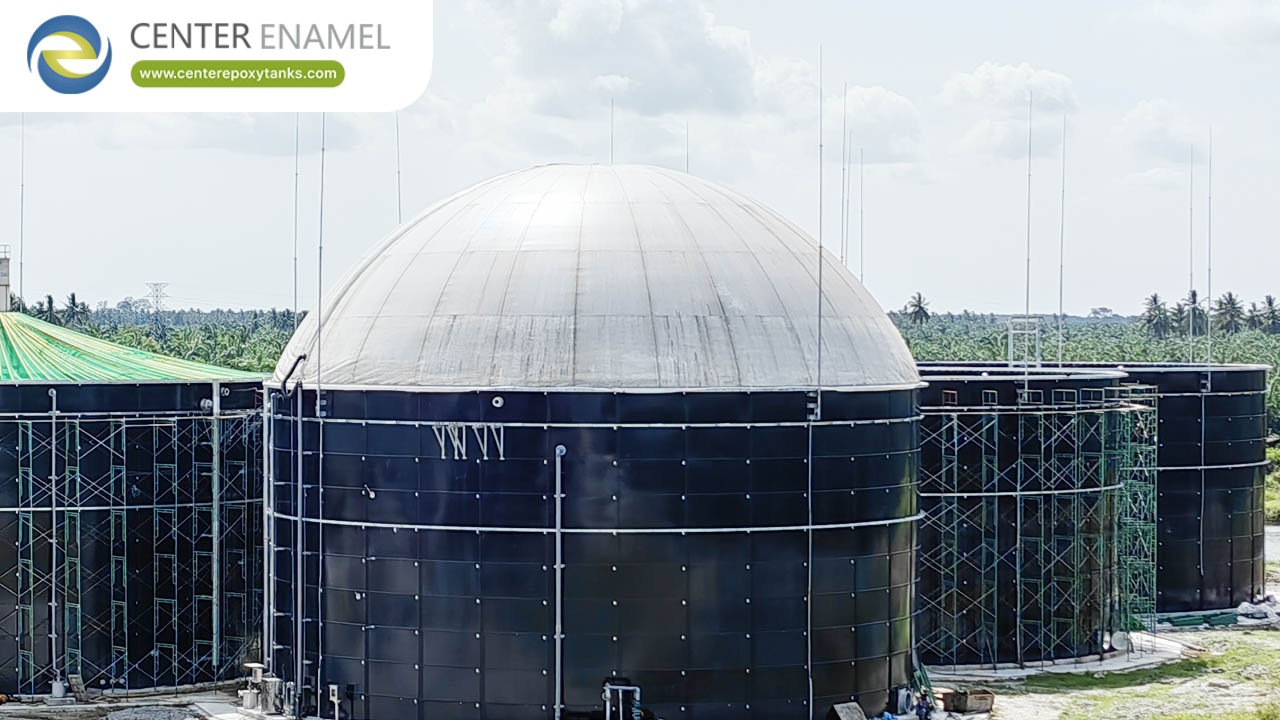
Double Membrane Roofs for Poultry Digestion Tanks
Intensive poultry farming operations generate vast quantities of chicken manure and litter, characterized by high organic loads, rich nitrogen content, and strong biogas-producing potential. However, processing poultry waste through anaerobic digestion (AD) introduces unique engineering hurdles. As microorganisms break down complex proteins and organic solids, the biological process releases high concentrations of moisture, hydrogen sulfide (H2S), and aggressive ammonia gas.
Traditional storage covers and unlined metal roofs degrade rapidly under these harsh chemical conditions. To ensure structural longevity, prevent fugitive emissions, and safely manage dynamic biogas generation, modern agricultural facilities rely on double membrane roofs custom-engineered specifically for poultry digestion tanks.
The Engineering Mechanics of Poultry Digestion Gasholders
A double-membrane roof operates as an integrated dual-layer containment system mounted directly onto the perimeter of an anaerobic digestion silo (such as concrete or glass-fused-to-steel tanks):
The Inner Membrane (Gas Containment): Suspended inside the tank headspace, the inner bladder acts as a 100% gas-tight primary barrier, expanding and contracting dynamically to match live poultry waste digestion and biogas withdrawal cycles.
The Outer Membrane (Weather Protection): Continuously inflated by an automated low-pressure blower system, the outer layer forms a taut, aerodynamic dome that protects the tank against rain, wind, and snow loads while applying a steady, uniform positive pressure onto the inner gas bladder.
The Inter-Membrane Air Space: The pressurized air chamber between the two layers maintains structural rigidity and delivers consistent, reliable gas delivery pressure downstream to farm boilers or combined heat and power (CHP) engines.
Technical Performance Matrix: Poultry Digestion Containment Technologies
Technical Parameter | Double Membrane Biogas Roofs | Traditional Concrete Slab Covers | Fixed Carbon Steel Tank Roofs | Open-Air Manure Lagoons |
Biogas Storage Integration | Integrated dual-purpose structure; acts as both tank roof and active gasholder | Requires a separate, costly external gas storage tank | Requires external gas storage or lacks gas collection infrastructure | Zero gas capture; massive atmospheric emissions |
Corrosion Resistance (Ammonia & H2S) | Superior; high-tenacity PVC/PVDF coated fabrics resist moisture and trace gases | Moderate; vulnerable to concrete carbonation and acid gas attack over time | Low; highly vulnerable to internal vapor-space pitting and wall thinning | N/A |
Volumetric Flexibility | Dynamic variable-volume adjustment matching live production cycles | Zero flexibility | Static volume capacity with fixed headspace | Zero flexibility |
Odor & Fugitive Emission Control | Complete elimination of farm odor complaints and fugitive gas emissions | Good odor containment, but lacks integrated gas management | Good odor control if fully gasketed | Severe odor pollution and regional air quality degradation |
Key Operational Advantages for Poultry Bioenergy Plants
1. Superior Resistance to Aggressive Agricultural Gases
Because poultry digestion generates elevated levels of ammonia and sulfur compounds, double membrane roofs are manufactured from high-tenacity polyester fabrics coated with specialized PVC/PVDF layers. These materials are chemically inert, highly resistant to ultraviolet radiation, and treated with anti-fungal agents to prevent structural degradation in humid agricultural environments.
2. Elimination of Internal Support Columns
Modern double-membrane roofs are completely self-supporting, anchoring securely to the perimeter wall of the anaerobic digester. Eliminating internal columns or rafters prevents structural corrosion and leaves unobstructed interior space for high-torque mechanical mixers and slurry recirculation systems.
Frequently Asked Questions (FAQ)
Q: How do double membrane roofs handle high concentrations of ammonia from poultry digestion?
A: The inner membrane is manufactured from specialized, chemically inert polymer fabrics (such as PVC/PVDF-coated polyester) that resist degradation from ammonia and hydrogen sulfide, ensuring long-term structural integrity in high-nitrogen poultry digesters.
Q: Why is variable-volume biogas storage important for poultry manure processing?
A: Poultry feeding schedules and waste collection cycles create fluctuating daily biogas volumes. The variable-volume inner bladder expands and contracts smoothly to buffer these surges, maintaining a steady, constant pressure for downstream energy equipment.
Q: Can double membrane roofs be installed on existing agricultural storage tanks?
A: Yes. Double membrane roofs are modularly designed and can be custom-fitted onto existing concrete, bolted steel, or glass-fused-to-steel agricultural tanks, making them an ideal upgrade path for farms expanding their waste-to-energy infrastructure.
Q: How do these roofs protect against severe winter weather on farms?
A: The constant air pressure in the outer membrane maintains a rigid, aerodynamic dome shape that promotes natural snow sliding. Systems can also integrate low-pressure blower management and thermal features to prevent freezing in extreme cold climates.


