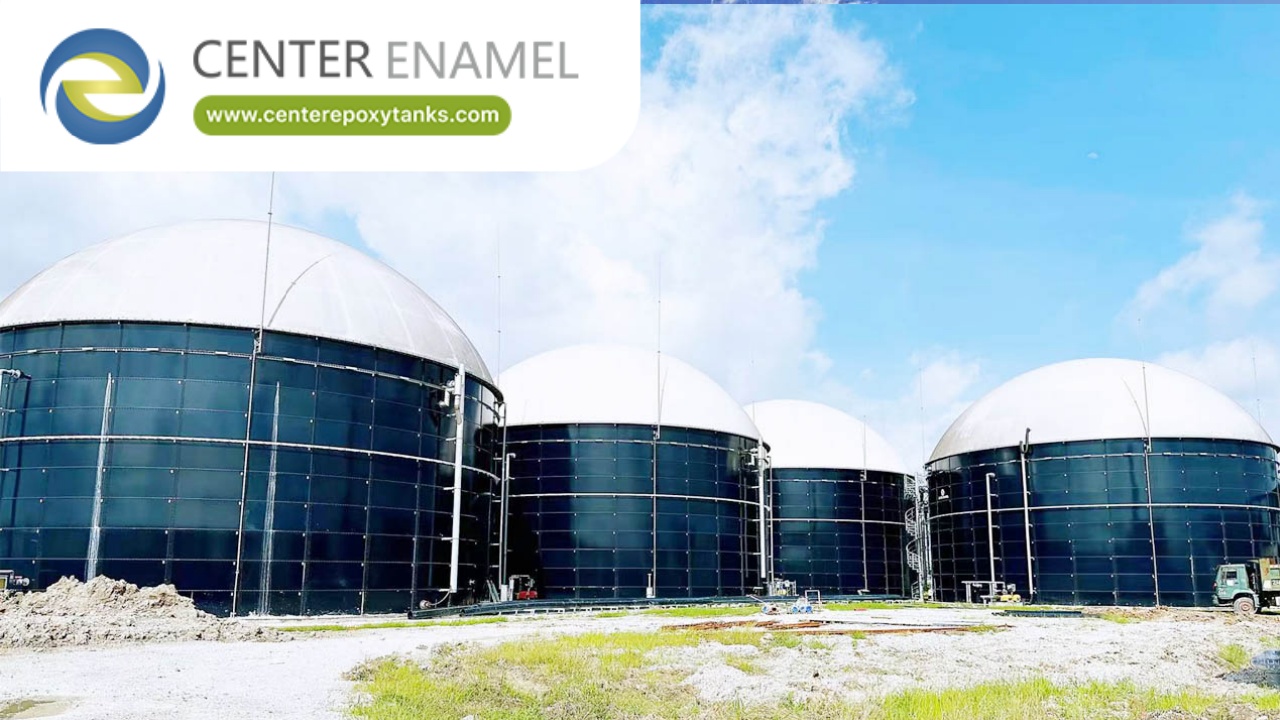
Double Membrane Roofs for Animal Waste Tanks: Odor Control & Gas Capture
For livestock farms and agricultural processing facilities, managing animal waste is a significant operational and environmental challenge. Traditional open-air lagoons and concrete tanks often face strict regulatory scrutiny due to odor emissions and methane release. The Double Membrane Roof has emerged as the industry-leading solution, transforming passive waste storage tanks into controlled, compliant, and potentially profitable anaerobic digestion systems.
1. The Core Engineering Function
The double membrane system creates a sealed environment for animal waste, effectively turning the tank into an enclosed digester or a storage vessel that prevents environmental contamination.
● Inner Membrane: A flexible, gas-tight barrier that physically separates the manure from the outside atmosphere. It rises and falls based on the volume of gas produced or stored.
● Outer Membrane: A highly durable, weather-resistant outer shell. An air support blower keeps the space between the inner and outer membranes pressurized, providing the structural rigidity needed to withstand wind, rain, and snow.
● Pneumatic Buffer: This air-gap acts as insulation, maintaining a stable temperature within the waste tank, which can help promote or maintain natural biological activity in the slurry.
2. Comparative Analysis: Why Membranes Win
When deciding on a cover for animal waste storage, project managers must weigh cost, environmental compliance, and long-term utility.
Feature | Double Membrane Roof | Rigid Concrete/Steel Cover | Open Lagoon/Tank |
Odor Control | Excellent (Sealed) | High | None |
Gas Capture | Full (Biogas Ready) | Limited | None (Lost to atmosphere) |
Rainwater Exclusion | Complete | Complete | None (Dilutes waste) |
Installation Time | Rapid (Days) | Slow (Months) | N/A |
Maintenance | Low | High (Corrosion prone) | High (Sediment removal) |
3. Key Benefits for Livestock Operators
A. Total Odor Mitigation
Regulatory bodies and local communities are increasingly strict regarding agricultural odors. A sealed double membrane system encapsulates the ammonia and hydrogen sulfide gases generated by decomposing manure, effectively eliminating offensive odors and preventing neighborhood complaints.
B. Biogas Capture (Revenue Potential)
Manure is an energy resource. By covering your waste tank with a membrane, you can capture methane instead of venting it. This captured biogas can be scrubbed and used for:
● On-site heating (for farm buildings or greenhouses).
● Electricity generation (via gas engines).
● Bio-CNG production (for transport fuel).
C. Rainwater Management
Open waste tanks collect rain, which significantly increases the volume of manure that must be pumped, transported, and spread on fields. By excluding rainwater, a membrane roof drastically reduces your waste handling and disposal costs.
4. Safety and Instrumentation
Operating a system that contains manure gases (which may contain methane) requires strict safety protocols:
1. Hydraulic Overpressure Protection: A liquid seal acts as a safety valve to release pressure if the system exceeds its limit, protecting the tank from structural failure.
2. Continuous Level Monitoring: Ultrasonic sensors measure the expansion of the inner membrane to provide real-time data on gas volume or sludge levels.
3. Gas Detection: Integrated methane detectors at the blower air intake ensure the system is operating safely and alert operators to any potential leaks.
5. Frequently Asked Questions (FAQ)
Q: Can these membranes withstand the corrosive nature of manure gases?
A: Yes. The membranes are constructed from high-tensile polyester fabrics coated with specialized PVC or Polyurethane (PU). These materials are chemically inert and designed to resist degradation from high concentrations of $H_2S$ (hydrogen sulfide) commonly found in manure digesters.
Q: Does the membrane need to be removed to empty the tank?
A: No. The membrane is designed to stay in place. As liquid is pumped out, the inner membrane simply lowers. However, ensure the pump intake is properly designed to prevent the membrane from being drawn into the outlet.
Q: How does the membrane handle heavy snowfall?
A: The outer membrane is kept taut by the air support blower. This tension, combined with the dome shape, allows snow to slide off easily. In extreme climate zones, the blower power is calculated to maintain structural rigidity under specified snow load requirements.
Installing a double membrane roof on your animal waste tank is more than just a containment solution—it is an investment in operational efficiency, environmental compliance, and energy independence. By eliminating odors, preventing rainwater contamination, and enabling biogas capture, these systems solve the most difficult challenges of modern livestock waste management.
Are you evaluating the structural load-bearing requirements for your farm's waste tank, and would you like to review the specific membrane material specifications for your region's climate?


