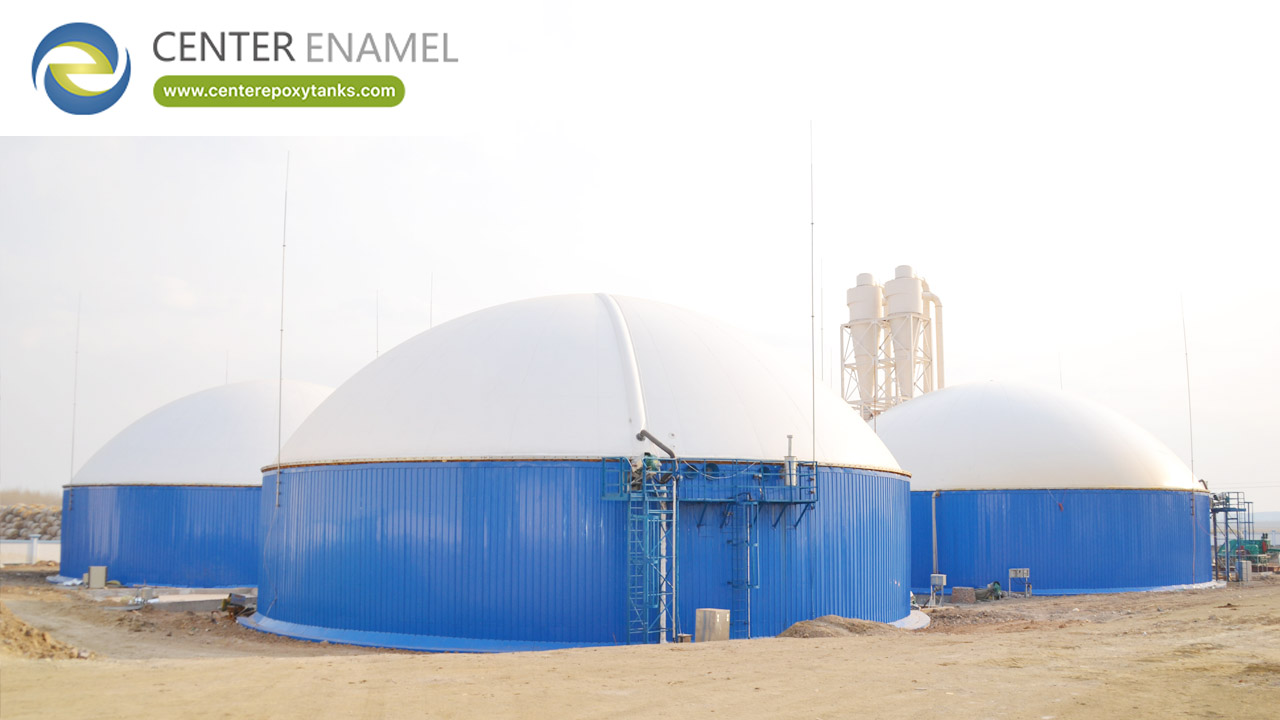
Double Membrane Roofs: An Essential Component for Cow Dung Biogas Storage
A double membrane roof is an advanced, variable-volume storage system essential for modern cow dung (manure) biogas plants. It consists of two layers: an inner membrane that provides airtight, flexible containment for biogas produced during the anaerobic digestion of manure, and an outer, pressurized membrane that protects the system from environmental elements. For agricultural biogas, this design is critical because it acts as a "gas buffer," maintaining constant pressure for energy equipment (CHP engines or boilers) and capturing corrosive gases like hydrogen sulfide ($H_2S$). Unlike rigid, fixed roofs, double membrane systems automatically adapt to fluctuating gas production levels, preventing over-pressure damage and maximizing methane yield from cow manure feedstocks.
The Engineering Challenge: Why Cow Dung Needs Specialized Storage
Cow manure is a potent feedstock for biogas, but it presents unique challenges that standard storage tanks cannot manage:
"Sour" Gas Chemistry: Biogas derived from manure has high concentrations of hydrogen sulfide ($H_2S$) and moisture. Standard materials corrode rapidly in this environment. Specialized, multi-layer PVDF/PVC membranes are required to resist chemical degradation.
Production Fluctuations: Manure digestion rates vary based on feedstock freshness, temperature, and dilution. A rigid roof system cannot buffer these fluctuations, leading to wasted gas or dangerous pressure surges.
Odor & Emissions: Uncontrolled biogas storage leads to significant odor issues and methane release. A hermetically sealed double membrane system locks in these gases, turning potential pollution into usable fuel.
Core Benefits for Farm-Scale Biogas
1. Constant-Pressure Gas Delivery
Double membrane roofs operate as a variable-volume storage unit. The pressurized air gap between the two membranes creates consistent, regulated pressure. This is vital for downstream equipment like Combined Heat and Power (CHP) engines, which require a steady supply pressure to operate at peak efficiency.
2. Weather & UV Resilience
Agricultural sites are exposed. The outer membrane, maintained by an automated air blower system, creates a dome shape that naturally sheds snow and rain. High-quality membranes are treated with UV stabilizers to prevent the fabric from becoming brittle under the intense sun exposure common in rural agricultural settings.
3. Asset Agility and Retrofitting
Many farms start with concrete manure lagoons or tanks. Because double membrane systems are modular, they are the preferred "top-down" solution for retrofitting these structures. They transform an open-air lagoon into a closed, energy-generating digester without requiring the total demolition of existing infrastructure.
Technical Specifications for Agricultural Applications
When sourcing a membrane roof for a cow dung biogas project, ensure these specifications are met to avoid premature failure:
Engineering Parameter | Requirement for Manure Biogas |
Material | High-tenacity polyester, PVC/PVDF coated |
Chemical Resistance | Certified $H_2S$ resistance (up to 8,000+ ppm) |
Safety Standard | ATEX/Ex-rated blowers and sensors |
Operating Pressure | 10 to 50 mbar (Auto-regulated) |
UV Protection | Anti-fungal, UV-stabilized formulation |
Safety Best Practices
A biogas tank is a chemical reactor. When integrating a double membrane roof into your farm operations, prioritize these safety layers:
Redundancy: Always specify a duty/standby blower configuration. If the primary air blower fails, the secondary unit must start automatically to prevent the outer shell from collapsing, which would risk gas release and mechanical failure.
Pressure Relief: Install dedicated mechanical pressure relief valves (PRVs) on the gas line. If the gas storage reaches maximum capacity, the PRV vents safely rather than allowing the tank to burst.
Leak Detection: Automated sensors should monitor the interstitial air space (between the two membranes). If methane is detected here, it signals a tear in the inner membrane, allowing you to stop gas production and perform repairs before an explosive hazard develops.
Frequently Asked Questions (FAQ)
Q: Does the $H_2S$ in cow dung biogas destroy the membrane material?
A: If you use standard commercial membranes, yes. However, industrial-grade biogas membranes are formulated with specialized, chemically inert coatings (such as high-grade PVDF) specifically designed to resist the corrosive acidic compounds in manure-based biogas.
Q: Can I use this on my existing open-top concrete manure tank?
A: Yes. This is one of the most cost-effective ways to upgrade a farm. By mounting a perimeter clamping system on the top edge of your concrete wall, you can seal the tank and install a double membrane roof to start capturing gas immediately.
Q: What happens if the power goes out?
A: The system is designed with a small buffer. However, reliable operation requires a backup power source (UPS or generator) for the blower system to keep the outer membrane inflated and the gas flow steady.
Q: How long will a membrane roof last on a farm?
A: With proper maintenance and periodic inspection (checking seams and blower health), these systems typically provide a 10–15 year service life before the membrane fabric requires replacement.
Are you in the planning phase for a new manure-to-energy system, or are you looking to retrofit an existing storage lagoon to capture biogas?


