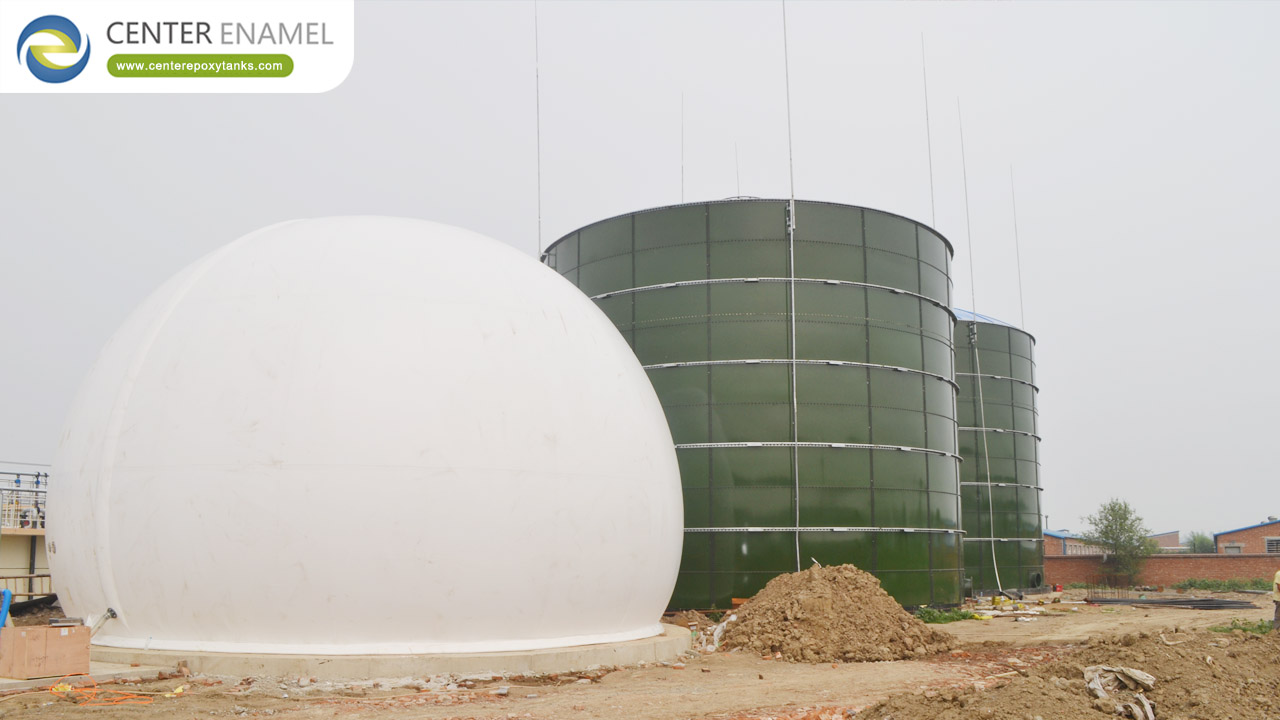
Double Membrane Biogas Storage Balloon Manufacturers: Engineering & Procurement Guide
For anaerobic digestion (AD) facilities and wastewater treatment plants, the double membrane biogas storage balloon serves as the critical buffer between continuous gas production and fluctuating energy demand. Leading manufacturers now provide highly engineered, variable-volume systems that combine durability, chemical resistance, and automated safety.
This guide outlines the essential technical criteria—material specifications, pressure regulation, and safety certifications—that procurement teams should demand when vetting a double membrane biogas storage balloon manufacturer.
1. Core Engineering Parameters for Manufacturers
When evaluating potential suppliers, prioritize manufacturers that design their systems according to international pressure vessel and membrane safety standards.
The Structural Layout
A double membrane balloon is defined by three components that a manufacturer must engineer to work in harmony:
● Inner Membrane: The primary containment vessel for the methane.
● Outer Membrane: The weather-protective, high-strength structural shell inflated by an air blower.
● Interstitial Air Space: The pressurized cavity that provides structural rigidity and constant gas delivery pressure.
Thermodynamic Pressure Regulation
Manufacturers must provide systems that maintain steady gas delivery pressure to downstream CHP engines or upgrading systems. The standard operating range is typically 10 mbar to 50 mbar. Ensure the supplier provides:
● Automated Air Control Units: Systems that continuously monitor interstitial pressure and modulate air blowers to maintain a stable, constant gas pressure.
● Over-pressure/Under-pressure Protection: Integrated mechanical or hydrostatic valves that prevent the balloon from structural failure due to internal gas surges or blower shutdowns.
2. Membrane Material Performance
The membrane fabric is the single most significant factor in the asset's lifespan. Prohibit the use of standard industrial PVC; specify high-performance, cross-linked, multi-layer composites.
Technical Property | Industry Standard Requirement | Engineering Rationale |
Gas Permeability | 400cm3/m2 .24h.bar | Prevents methane leakage and improves process safety. |
Chemical Resistance | High-grade H2S & Moisture barrier | Biogas is inherently corrosive; requires acid-resistant coatings. |
Flame Retardancy | DIN 4102 B1 or EN 13501-1 | Critical for plant safety and insurance compliance. |
Surface Finish | PVDF or Fluoropolymer lacquer | Resists UV degradation and atmospheric soiling. |
3. Critical Safety & Compliance Gates
Biogas is a flammable hydrocarbon gas. A manufacturer must provide hardware that meets rigorous explosion-proof (Ex) standards.
● ATEX Certification: All electronic components—including ultrasonic level sensors, pressure transmitters, and control cabinet internals—located within the gas containment or hazardous zones must be ATEX Zone 1 or Zone 0 certified.
● Leak Detection Systems: The manufacturer should supply a methane-in-air detection system that monitors the interstitial air chamber. Any methane detected in this cavity indicates a breach in the inner membrane and must trigger an automatic emergency shutdown.
● Level Monitoring: Advanced systems utilize ultrasonic sensors to provide a 0% to 100% volumetric output. This allows the plant's PLC to integrate gas storage levels with flare controls and engine start/stop protocols.
4. Procurement Vetting Checklist
To ensure your facility receives an industrial-grade asset rather than a generic commodity, include the following in your technical Request for Proposal (RFP):
1. Project-Specific Load Calculations: Demand that the manufacturer provides structural calculations verifying that the outer membrane’s inflation pressure can maintain a rigid shape under the specific regional wind speed and snow-load requirements of your plant location.
2. Redundancy Protocols: Require a dual-blower configuration (duty/standby) with automated failover. If the primary inflation blower loses power, the secondary unit must start immediately to maintain structural integrity.
3. Traceability: Manufacturers should provide full material certification (Mill Test Certificates) for the membrane fabrics, ensuring they are manufactured to international quality management standards (ISO 9001).
A high-quality double membrane biogas storage balloon is an investment in site safety and operational efficiency. By vetting manufacturers on their ability to provide certified explosion-proof electronics, high-tenacity, chemically resistant membrane fabrics, and intelligent pressure-regulation systems, you ensure long-term, trouble-free anaerobic digestion plant performance.
Are you currently in the design phase for an anaerobic digestion upgrade, and would you like to evaluate specific structural load calculations or membrane gasket configurations tailored to your site's environmental conditions?


