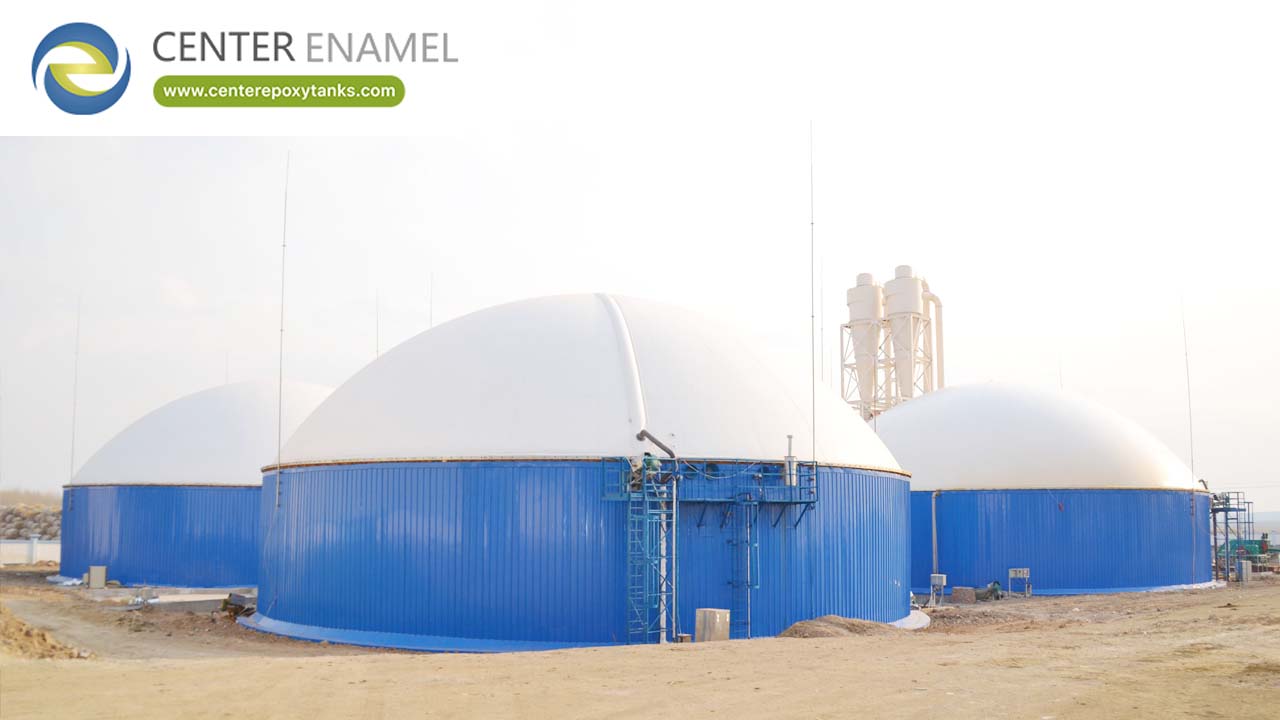
Double Membrane Biogas Holders: The Power of Integrated Temperature Control
Double membrane biogas holders with integrated temperature control systems are specialized storage solutions designed to maintain consistent internal gas conditions, preventing temperature-related gas stratification and condensation. By integrating heating or cooling loops directly into the gas holder structure, these systems ensure the biogas maintains optimal quality for power generation or biomethane upgrading. This technology is critical for plants operating in variable climates, as it mitigates the risk of moisture accumulation—which can damage downstream equipment—and stabilizes the microbial environment in connected digesters by preventing thermal back-flow.
The Engineering Challenge: Why Temperature Matters
Biogas production is a biological process that is hypersensitive to temperature fluctuations. A standard double membrane gas holder serves as a protective balloon for biogas, but without thermal regulation, it is susceptible to environmental extremes.
Operators face two primary challenges in standard storage environments:
Condensation & Moisture Loading: In cold environments, gas temperature drops rapidly, causing water vapor to condense inside the membrane. This liquid accumulation puts excess weight on the structure, risks damaging blower systems, and creates a corrosive slurry in the gas lines.
Gas Quality Variability: In hot climates, excessively high gas temperatures can reduce the density of the biogas and impact the efficiency of downstream compression and cleaning systems.
Integrated temperature control systems transform the gas holder from a passive storage unit into an active operational component of the biogas plant.
Technical Features of Integrated Temperature Control
Advanced biogas storage manufacturers now offer "Smart-Thermal" double membrane systems that feature:
Thermal Insulation Layers: The outer membrane is designed with high-efficiency reflective or insulating materials to minimize heat exchange with the outside air.
Active Heating/Cooling Loops: Integrated air-duct systems (often utilizing the air cushion between membranes) allow for the circulation of tempered air. This keeps the internal gas volume within a stable range, regardless of ambient weather conditions.
Automated Sensor Feedback: Modern systems include internal temperature sensors linked to a PLC (Programmable Logic Controller) that automatically triggers the heating or cooling cycle based on real-time gas conditions.
Comparative Overview: Standard vs. Integrated Systems
Feature | Standard Double Membrane | Integrated Temperature Control |
Condensation Risk | High (in cold climates) | Negligible (Active moisture prevention) |
Operational Stability | Fluctuates with ambient temp | Stable (Consistent gas quality) |
Downstream Protection | Requires heavy gas drying | Reduced load on drying systems |
Service Life | Standard | Extended (Reduced thermal stress) |
Automation | Basic Level Monitoring | Full PLC/Smart Integration |
Strategic Advantages for Biogas Operators
1. Enhanced Downstream Equipment Longevity
Moisture is the primary enemy of gas engines and membrane separation units used for biomethane upgrading. By controlling the temperature at the storage phase, you reduce the humidity burden on downstream gas dryers and chillers, extending the interval between maintenance cycles for engines and compressors.
2. Prevention of "Ice-Plug" and Slurry Issues
In sub-zero temperatures, standard biogas lines can clog with condensed ice or sludge. Temperature-controlled holders maintain the gas temperature above the dew point, ensuring continuous, uninterrupted flow during peak winter demand—when energy prices are often highest.
3. Operational Continuity
For plants utilizing thermal energy from the biogas plant itself (Combined Heat and Power - CHP), waste heat can be recycled to power the temperature control system of the gas holder. This creates a circular, highly efficient thermal management ecosystem.
Frequently Asked Questions (FAQ)
Q: Can integrated temperature control be retrofitted to an existing gas holder?
A: In many cases, yes. While a full system replacement is ideal for maximum efficiency, specialized external heating blankets or integrated ducting modifications can be added to existing membrane structures to mitigate severe condensation issues.
Q: How does the system handle "over-temperature" in desert environments?
A: The system works in reverse for hot climates. By using solar-reflective outer membrane fabrics and utilizing the air-cushion blower system for ventilation, the holder can prevent the biogas from reaching temperatures that would trigger safety shutdowns or gas degradation.
Q: Does this increase the energy consumption of the biogas plant?
A: The energy demand is minimal, especially when using waste heat from the plant's CHP unit. The energy saved by reducing the load on downstream gas compressors and dryers typically provides a net-positive energy balance.
Partnering for High-Efficiency Biogas Storage
Transitioning to advanced biogas storage is a commitment to plant efficiency and operational reliability. By selecting a system with integrated temperature control, you are choosing to mitigate risk and protect your infrastructure assets from environmental wear and tear.
Are you ready to optimize your biogas storage system to handle seasonal climate shifts?
Contact our technical engineering team to request a climate-specific feasibility study and a proposal tailored to your plant’s annual biogas yield and environmental data.


