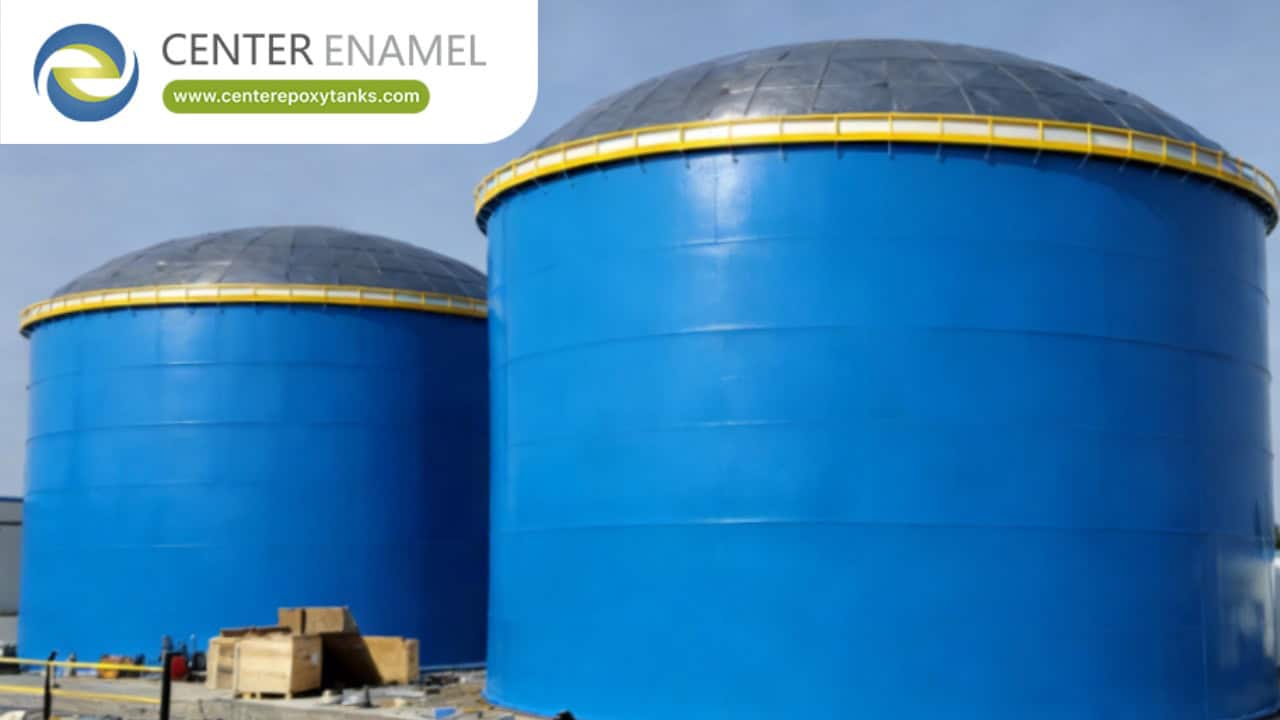
Do Data Centers Need a Thermal Energy Storage Tank: The Honest Decision Test
Do data centers need a do data centers need thermal energy storage tank? Not every facility, but for many the answer is increasingly yes. This article gives the decision logic.
Data centers need a do data centers need thermal energy storage tank when cooling peaks strain the plant, tariffs or carbon penalise peak energy, resilience must be layered beyond mechanical redundancy, or free cooling is available but mis-timed. Small, steady, cheap-power sites may not need one; large, peak-exposed, or resilience-focused sites usually benefit.
When the Need Is Clear
If your cooling peak drives demand charges or forces oversized chillers, a TES tank converts that peak into stored, shifted energy and shrinks the plant.
Sites with free-cooling potential but mismatched timing - cold night, hot afternoon - are prime TES candidates.
Resilience Case
A charged TES tank is a thermal reserve that keeps coils cold through a chiller trip or transient, adding a low-cost resilience layer alongside mechanical redundancy.
For colocation and enterprise facilities with strict uptime commitments, that buffer is often worth more than its energy saving.
When You Can Skip It
A small facility with steady load and cheap, clean power may not clear the capital hurdle. Likewise sites with no peak exposure gain little.
The honest test is a load-and-tariff study: if shifting cooling does not save cost, carbon, or risk, the tank is optional.
Technical Specifications
Parameter | Specification |
Tank type | Atmospheric, stratified, or ASME-coded (duty dependent) |
Shell material | bolted glass-fused-to-steel (GFS) |
Capacity range | 20-60,000 m3 (bolted GFS, water/liquid duty) |
Stored medium | Chilled water (sensible) or phase-change medium (latent) |
Design temperature | -10 to 50 C (site / water dependent) |
Corrosion protection | Glass enamel, FBE, stainless, or galvanizing |
Insulation | Optional PU / mineral wool for chilled duty |
Codes / standards | AWWA D103, ISO 28765, EN 1090, ASME VIII |
Erection | Bolted modular panels, short site schedule |
QA | ISO 9001, NSF/ANSI 61, WRAS where applicable |
Foundation | Ring wall or slab per geotech report |
Verified Tank Engineering Reference
Center Enamel's verified record includes a 2022 Drinking water project in Namibia - 4 unit(s), φ41.26*8.4m (H) 4 set, 44,900 m3 total, GFS (Glass-Fused-to-Steel) bolted tank. Center Enamel has no published thermal-energy-storage or data-center TES project; this reference demonstrates the comparable large-tank manufacturing capability relevant to supplying stratified chilled-water TES vessels.
Project location | Namibia |
Application | Drinking water |
Tank type | GFS (Glass-Fused-to-Steel) bolted tank |
Scale | 4 unit(s), φ41.26*8.4m (H) 4 set |
Total volume | 44,900 m3 |
Year | 2022-09 |
Note | Cited as manufacturing-capability evidence, not a thermal-energy-storage project. |
Center Enamel Capability
Center Enamel (Shijiazhuang Zhengzhong Technology) manufactures bolted glass-fused-to-steel (GFS) tanks and ASME-coded pressure vessels for water and thermal-energy storage duty. For thermal-energy-storage (TES) service, the relevant products are large-diameter bolted GFS tanks, FBE-coated tanks, stainless steel tanks, welded shells, and ASME Section VIII vessels for pressurized or stratified chilled-water storage.
Quality is managed under ISO 9001, with bolted tanks built to AWWA D103 and ISO 28765 and available certified to NSF/ANSI 61 and WRAS where potable or indirect-potable contact applies. GFS shells are fired at 820-930 C to fuse the glass enamel, giving a durable, inert liner suited to treated chilled water; stainless and FBE options serve aggressive or high-purity loops. CE's verified delivery record - including a large Namibia installation - demonstrates the manufacturing capability behind these specifications.
Frequently Asked Questions
Q: Do data centers need a do data centers need thermal energy storage tank?
A: When peaks strain the plant, tariffs penalise energy, resilience matters, or free cooling is mis-timed.
Q: Which sites benefit most?
A: Large, peak-exposed, or resilience-focused facilities.
Q: Can small sites skip it?
A: Often yes - if load is steady and power is cheap and clean.
Q: How does it add resilience?
A: A charged tank bridges cooling through a chiller trip or transient.
Q: What is the honest test?
A: A load-and-tariff study: shift must save cost, carbon, or risk.
Q: Is it mandatory?
A: No - it is an optimisation, not a code requirement (fire tanks aside).
Data centers need a do data centers need thermal energy storage tank when the economics or resilience case is real - not by default. A load-and-tariff study decides it honestly, and most large, peak-exposed sites come out ahead.
Suggested Next Step
Run the need test with us: a load-and-tariff study shows whether a TES tank pays for your data center.


