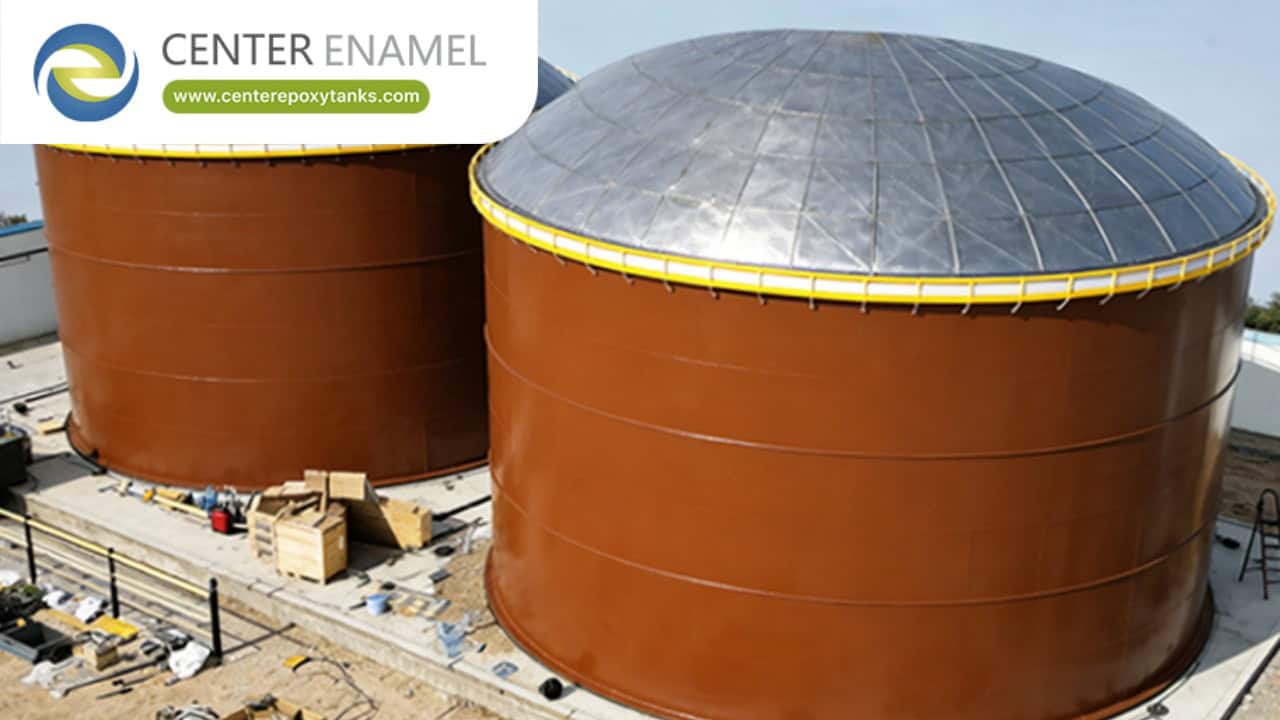
China Welded Carbon Steel Refined Product Tanks: Procurement & Engineering Guide
Storing refined petroleum products (gasoline, diesel, jet fuel) is fundamentally different from storing crude oil. Refined products are highly sensitive to particulate contamination, oxidative degradation, and internal corrosion. Welded carbon steel tanks remain the industry standard, but for refined products, the "tank" is a system: it requires precise structural fabrication according to API 650 and rigorous internal protection according to API 652. This guide outlines how to identify and vet Chinese fabrication partners capable of delivering high-purity, long-lifecycle storage infrastructure.
1. Engineering Standards for Refined Products
When sourcing storage for refined products, "off-the-shelf" fabrication is insufficient. You must specify infrastructure designed for chemical stability and longevity.
● API 650 (Welded Tanks for Oil Storage): The mandatory standard for design, fabrication, and testing. Ensure your manufacturer can provide structural calculations for your specific site conditions (seismic activity, wind load, and internal pressure).
● API 652 (Internal Linings): Unlike crude oil, refined products often require internal linings. API 652 provides the framework for selecting, applying, and inspecting these linings to prevent internal corrosion and fuel contamination.
● Material Integrity: Specify ASTM A36 or A283 Grade C carbon steel (or equivalent) for shell plates, ensuring they are accompanied by Mill Test Reports (MTRs) to verify chemical composition.
Structural Calculation: Shell Thickness
The shell thickness (t_d) is a function of diameter (D), design liquid level (H), product specific gravity (G), and allowable stress (S).
●
2. Technical Vetting: The Refined Product Difference
The difference between a high-tier manufacturer and a general workshop lies in their ability to meet the specialized needs of refined petroleum service.
Procurement Vetting Matrix
Audit Parameter | High-Tier Specialist | Low-Tier Workshop |
Welding NDT | 100% UT/RT of vertical seams | Visual inspection only |
Internal Lining | Expert API 652 application | Basic "paint job" |
Surface Prep | Sa 2.5 (Abrasive blast) | Wire brush / Mechanical grind |
Material MTRs | Full traceability (Heat numbers) | General supplier certification |
Quality Management | ISO 9001 + API Q1 Certified | Basic business license only |
Testing | Hydrostatic test witness | Leak test only |
3. Critical Infrastructure Components
Refined products are prone to "water bottoms"—moisture that settles at the tank floor and acts as a corrosive electrolyte. To mitigate this:
● Floating Suction Assemblies: Mandate these in your RFP. They ensure the pump draws the cleanest fuel from just below the surface, rather than from the bottom where sediment and water collect.
● Internal Lining Specification: Do not simply say "paint the inside." Specify 100% solids, high-build phenolic epoxy linings. Require ASTM G62 High-Voltage Holiday Testing on 100% of the internal surface to ensure zero pinholes exist before the tank is filled.
● Conservation Vents: Specify stainless steel P/V valves to prevent moisture and dust from entering the headspace during atmospheric pressure changes.
4. Frequently Asked Questions (FAQ)
Q: Should I choose stainless steel or lined carbon steel for refined products?
A: Carbon steel lined per API 652 is usually the most cost-effective solution for refined products (gasoline/diesel). Stainless steel is typically reserved for highly corrosive chemicals or aviation fuel where absolute purity is non-negotiable.
Q: How do I manage quality from thousands of miles away?
A: Mandate Third-Party Inspection (TPI). Contract an independent agency (e.g., SGS, Bureau Veritas, or Intertek) to witness critical "Hold Points": 1) Material inspection, 2) Hydrostatic testing, and 3) Final holiday testing of the internal lining.
Q: How do I ensure my tank is compatible with local fire codes?
A: While the tank fabrication adheres to API 650, your design must adhere to local fire codes (e.g., NFPA 30). You must include specific requirements for dikes, spacing, and firefighting foam systems in your project design documents.
Are you currently in the site-planning phase for a new fuel distribution terminal, or are you looking to replace existing storage capacity to comply with modern safety and cleanliness standards?


