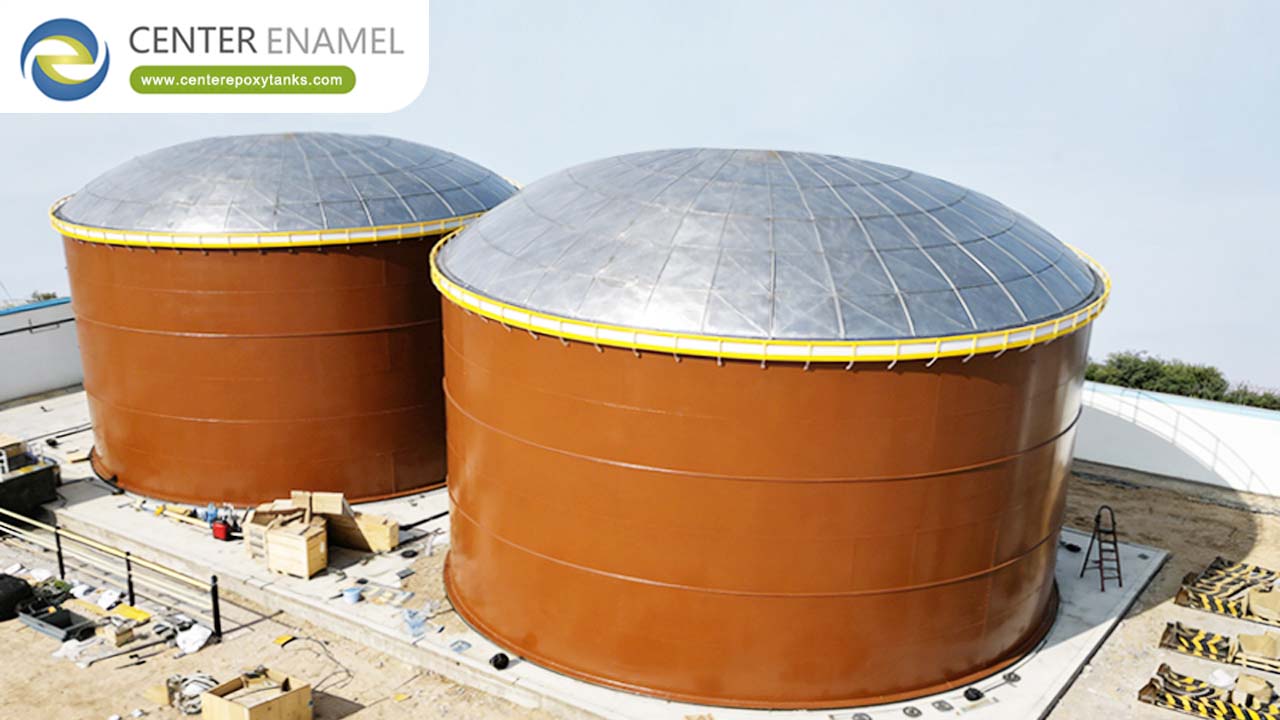
China Oil Storage Tank Manufacturer: Procurement & Compliance Guide
Selecting a recognized oil storage tank manufacturer in China requires a rigorous assessment of technical accreditation, material traceability, and fabrication precision. As global energy infrastructure demands higher safety and environmental compliance, top-tier Chinese manufacturers have shifted from simple fabrication to complex, standard-compliant engineering (API 650, ASME, etc.). This guide provides the objective criteria to help you identify a partner capable of delivering high-capacity, long-lifecycle storage assets.
1. Defining "Recognized" Manufacturing Standards
A manufacturer is only as reliable as their adherence to international codes. For oil and gas applications, look for these foundational markers:
Key International Standards
● API 650: The global benchmark for welded, aboveground, flat-bottomed storage tanks. A recognized manufacturer must be able to document full compliance with this standard.
● ASME Section IX: Essential for certified welding procedures.
● Material Traceability: A "recognized" manufacturer maintains a digital trail from the steel mill to the final assembly, providing Mill Test Reports (MTRs) for every plate and structural component.
Manufacturing Infrastructure
● Automated Fabrication: Look for submerged arc welding (SAW) for circumferential seams and CNC plasma cutting for plate accuracy. These technologies reduce the "human error" variable in tank construction.
● Testing Capabilities: Beyond visual inspection, a reliable factory performs non-destructive testing (NDT), including ultrasonic, radiographic, and vacuum box testing on all primary welds.
2. Comparison Matrix: Procurement Criteria
Procurement Factor | Low-Risk (Tier 1 Manufacturer) | High-Risk (Generic Fabricator) |
Standards | API 650 / ASME certified | "Built to request" (unverified) |
Material Quality | Certified traceable steel plates | Commodity steel (unknown origin) |
Documentation | Full QA/QC manuals, MTRs, WPS/PQR | Limited or no technical documentation |
Engineering | PE-stamped designs for local conditions | Basic sketches without load analysis |
Post-Sales | Lifecycle maintenance support | Transactional; no support post-delivery |
3. Technical Evaluation Checklist for Buyers
Before signing a contract, verify these four pillars of manufacturing competence:
1. Fabrication Capability: Ask for a list of equipment. A shop relying on manual labor for critical API 650 welds is a red flag. Automated, machine-assisted welding is the industry requirement.
2. QA/QC Protocols: A recognized manufacturer will invite (or host) third-party inspections (e.g., SGS, Bureau Veritas) without hesitation.
3. Site Support: Can they provide "Supervised Installation" or "Turnkey" services? Large-scale oil tanks often require technical experts on-site during erection to ensure structural integrity.
4. Reference Portfolio: A recognized player will have a case study library demonstrating experience in specific climates and regulatory zones (e.g., high-seismic regions or corrosive coastal environments).
4. Frequently Asked Questions (FAQ)
Q: How does a Chinese manufacturer ensure compliance with my local country's regulations?
A: High-end manufacturers maintain a dedicated international engineering team that cross-references local building codes (e.g., Eurocode, GB, or local fire codes) with the base API 650 design. Always request an "Engineering Compatibility Review" before production starts.
Q: What is the benefit of "Bolted" vs. "Welded" for oil storage?
A: While welded tanks are the standard for massive crude oil refineries (API 650), bolted steel tanks are increasingly recognized for secondary storage, firewater, and refined product hub distribution. They offer faster assembly and reduced on-site safety risks. A versatile manufacturer should offer both.
Q: How is "Tank Integrity" verified before shipping?
A: Rigorous recognized manufacturers perform a "Hydro-test" in the factory for smaller modules or provide a comprehensive non-destructive testing (NDT) plan for on-site builds, including radiography of critical joint intersections.
Strategic Partnership for Infrastructure
Your tank is a long-term capital asset, not a commodity. The difference between a "recognized" manufacturer and a generic supplier is the total cost of ownership (TCO). By prioritizing manufacturers with deep experience in international API/ASME standards, you eliminate the risk of premature failure and regulatory rejection.
Are you currently auditing manufacturers for a new storage project, or do you need assistance drafting the technical specifications for an upcoming tender?


