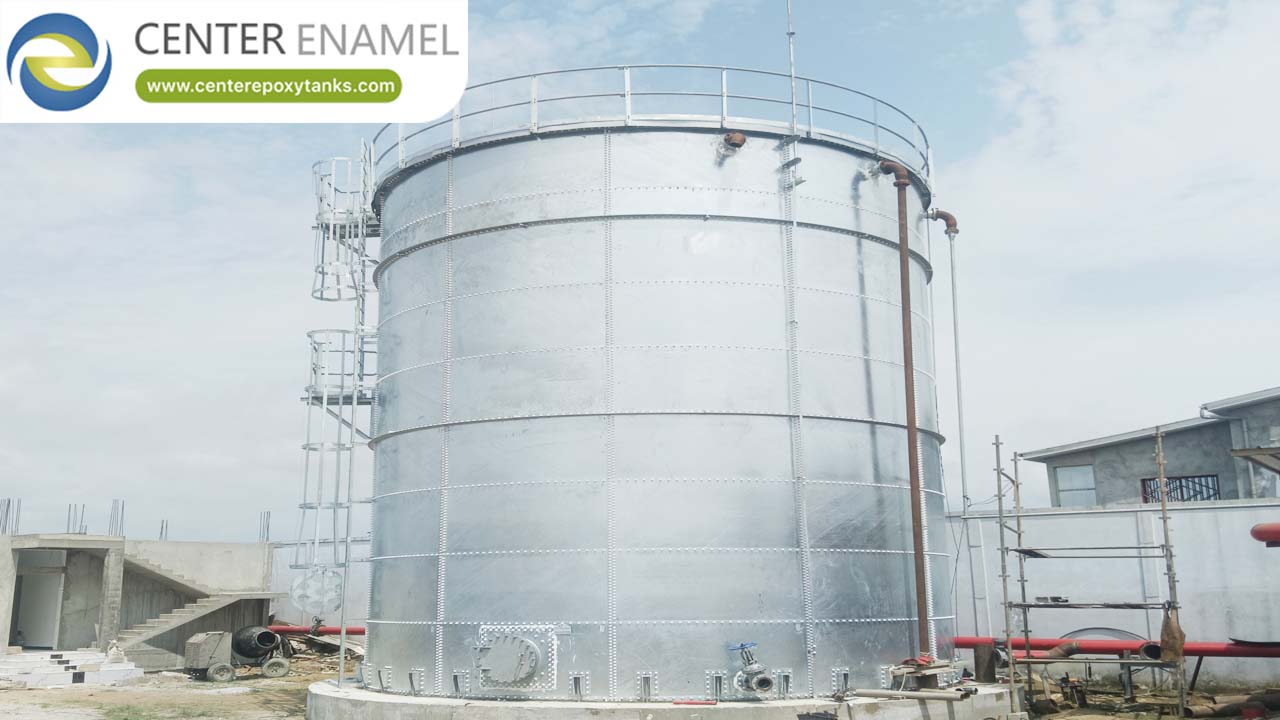
What Is a Galvanized Steel Fire Water Tank?
A galvanized steel fire water tank is a specialized, engineered reservoir designed to provide a reliable, on-site water supply for fire suppression systems—including automatic fire sprinklers, standpipes, and hydrants.
In many industrial and commercial settings, municipal water infrastructure cannot guarantee the flow rate or static pressure required during a fire emergency. A galvanized steel tank serves as the critical safety backbone of a facility, ensuring that when a fire event occurs, an adequate water volume is available immediately.
Why Galvanized Steel for Fire Protection?
The selection of tank material is a fundamental engineering decision. Galvanized steel is widely considered the industry standard for fire suppression for several technical reasons:
Sacrificial Corrosion Protection: The hot-dip galvanization process applies a protective zinc coating to the steel panels. In the event of minor scratches or surface wear, the zinc acts as a "sacrificial anode," corroding in preference to the steel and preventing rust from compromising the tank wall.
Structural Strength-to-Weight Ratio: Galvanized bolted steel tanks offer high structural integrity, allowing for large-capacity storage (up to several million gallons) with a relatively small footprint compared to concrete alternatives.
Modular Assembly: Unlike welded steel tanks that require extensive, dangerous on-site hot work, our galvanized systems are prefabricated and bolted together. This modularity reduces installation time and costs significantly while ensuring precise structural alignment.
Compliance with Global Standards: These tanks are engineered specifically to meet the stringent NFPA 22 (Standard for Water Tanks for Private Fire Protection).
Technical Specifications & Safety Features
A fire water tank is not merely a container; it is an integrated system. To meet fire safety certifications, a tank must include specific appurtenances:
Anti-Vortex Plate: A critical steel component installed over the discharge outlet. It prevents the formation of a whirlpool (vortex) that would pull air into the fire pump, which could cause cavitation and catastrophic pump failure.
Sizing to Hydraulic Demand: The tank is sized based on the specific hazard classification of the facility, accounting for the required flow (GPM) and duration (minutes) of the suppression system.
Standardized Appurtenances: High-quality fire tanks include dedicated vents, overflow pipes, manway access for inspection, and level indicators to provide real-time data to facility management systems.
Comparison: Fire Water Storage Materials
Feature | Galvanized Bolted Steel | Reinforced Concrete | Welded Carbon Steel |
Installation Speed | Fast (Modular/Bolted) | Very Slow (Pour-in-place) | Moderate/Slow |
Corrosion Resistance | Excellent (Zinc Coating) | Low (Rebar rusting) | Requires ongoing coating |
Maintenance | Minimal (Panel Inspection) | High (Crack repair) | High (Internal repainting) |
Seismic Performance | Highly Ductile | Rigid (Crack prone) | Ductile |
Cost-Efficiency | High (Best TCO) | Low (High labor costs) | Moderate |
Frequently Asked Questions (FAQ)
1. What is the difference between NFPA 22 and NFPA 25?
NFPA 22 is the design and installation standard; it dictates how the tank must be built, the steel grade, and the necessary safety fittings. NFPA 25 is the inspection, testing, and maintenance standard; it mandates the schedule for checking the tank, pumps, and valves to ensure they remain functional throughout the tank’s service life.
2. Do I need an interior liner for my galvanized steel fire tank?
While the galvanization protects the exterior and interior, an NSF-61 approved liner is often recommended. This creates a physical barrier between the water and the steel, extending the service life of the tank and preventing contact with aggressive water chemistries that could deplete the zinc coating prematurely.
3. How often should the tank be inspected?
Under NFPA 25, exterior inspections are typically required quarterly. Internal inspections (checking for sediment, valve function, and liner integrity) are required periodically—often every 3 to 5 years, depending on your local Authority Having Jurisdiction (AHJ) requirements and the presence of interior coatings.
4. Can these tanks be heated for cold climates?
Yes. In regions where the ambient temperature drops significantly, the fire suppression water must be kept above 40°F (4.4°C) to prevent freezing. We offer integrated heating systems, including thermal insulation and internal immersion heaters, to maintain water temperatures compliant with NFPA 22 requirements.
5. Can galvanized tanks be used for potable water?
Yes, our galvanized steel tanks can be configured for "dual-use" applications. With the proper liner and sanitary fittings, they can store both domestic water and a dedicated reserve of water for fire suppression, helping facility managers maximize space and reduce infrastructure costs.
To see a comprehensive overview of how these systems are engineered for safety, you may find this resource helpful: NFPA 22 Explained — Water Tanks for Fire Protection. This video provides a detailed breakdown of the design, installation, and code requirements for water tanks used for private fire protection, illustrating why proper engineering is critical for emergency preparedness.


