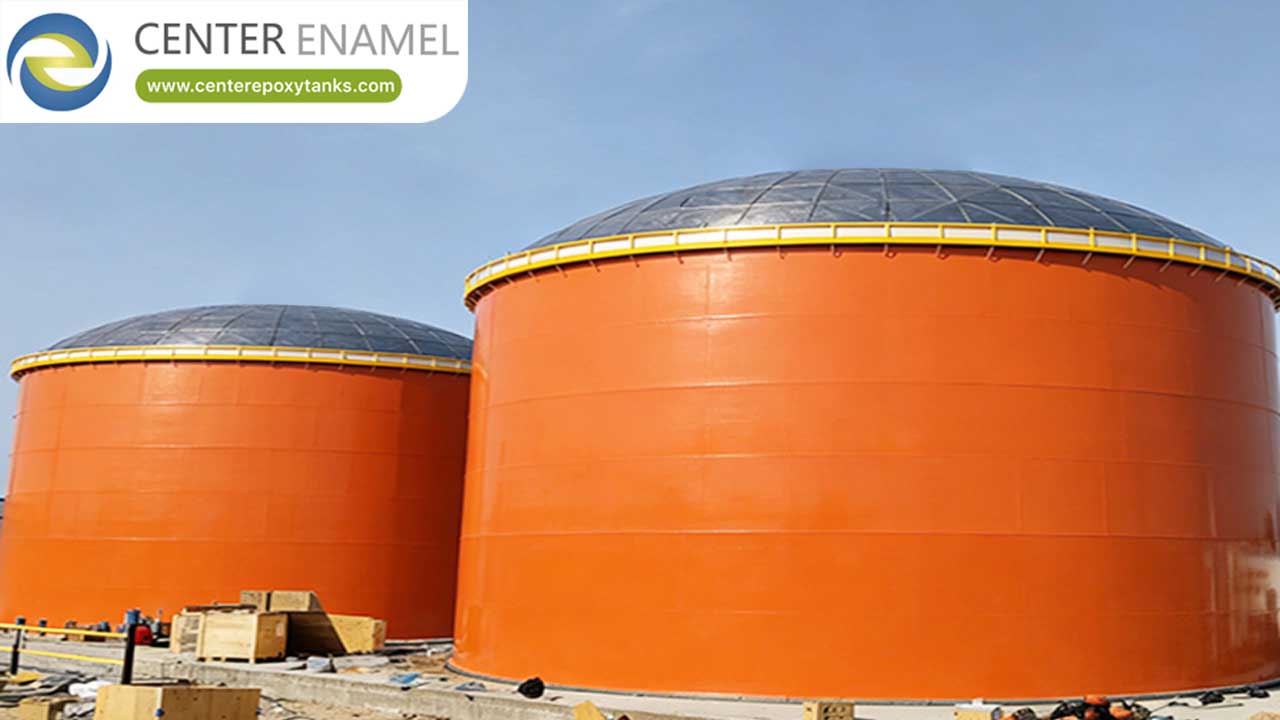
Chemical Storage Tanks for MTBE & B1 Plants: Design, Material Compatibility, and Containment Standards
In modern integrated petrochemical complexes, Methyl tert-butyl ether (MTBE) and Butene-1 (B1) production units play a critical downstream role in upgrading C4 raffinate streams. MTBE serves as a high-octane oxygenate and gasoline blendstock, while Butene-1 functions as an essential co-monomer in the polymerization of linear low-density polyethylene (LLDPE). Because these facilities handle highly volatile, flammable ethers and liquefied petroleum gases (LPG-like olefins), the design of their storage tank farms requires rigorous engineering, specialized metallurgy, and strict environmental safeguards.
Chemical storage tanks for MTBE & B1 plants encompass a specialized combination of atmospheric/aboveground flammable liquid tanks, ASME Section VIII high-pressure bullets, and API 620 low-pressure refrigerated vessels engineered to safely contain volatile chemical feeds and high-purity end-products.
1. Core Process Roles of Storage Tanks in MTBE and Butene-1 Facilities
An integrated MTBE and Butene-1 production facility relies on intermediate and finished product storage to balance continuous chemical synthesis with fluctuating downstream demands:
MTBE Feedstock Buffering: Storing raw methanol and mixed C4 / isobutylene streams prior to catalytic etherification reactors.
Finished MTBE Storage: Managing high-purity Methyl tert-butyl ether under vapor-controlled, ambient atmospheric conditions prior to gasoline blending terminal transfer.
Butene-1 Fractionation and Feed Stockpiling: Storing intermediate C4 cuts and high-purity Butene-1 co-monomer streams requiring precise pressure or temperature control to prevent vaporization or unwanted oligomerization.
2. Critical Engineering Requirements for MTBE and Butene-1 Storage
Storing these specific petrochemical products presents unique physical and chemical challenges that dictate tank design:
A. Material Compatibility: Why Plastics Fail with MTBE
MTBE is a small, volatile, nonpolar ether. Unlike aqueous or inorganic chemicals safely stored in polyethylene or polypropylene tanks, MTBE readily permeates, swells, and degrades standard polyolefin polymer matrices, causing wall softening, structural degradation, and dangerous fugitive vapor migration.
B. Pressure Containment for Butene-1 (B1)
Butene-1 exists as a liquefied gas under moderate vapor pressure at ambient temperatures. Bulk storage requires heavy-walled ASME Section VIII horizontal bullets or API 620 low-pressure refrigerated vessels equipped with boil-off vapor compressors to maintain the product in a liquid state without excessive venting.
C. Electrostatic Grounding and Vapor Recovery
Because both MTBE and Butene-1 possess low electrical conductivity and high volatility, static electricity accumulation during high-speed tank truck, railcar, or marine loading presents a severe ignition risk. All storage vessels, piping networks, and loading arms must feature continuous electrical bonding and grounding. Furthermore, pressure-vacuum (P-V) vents with integrated flame arrestors and closed-loop vapor recovery units (VRU) are mandatory to mitigate toxic emissions and fire hazards.
Data Table: MTBE & Butene-1 Plant Storage Tank Matrix
Process Stream / Asset | Typical Chemical Composition | Tank Configuration Type | Material of Construction | Governing Design Standards |
Finished MTBE Product | Methyl tert-butyl ether (C5H12O) | Vertical cylindrical aboveground tank | Carbon steel (with epoxy lining) or 304/316 SS | UL-142 / API 650 / NFPA 30 |
Butene-1 (B1) Co-Monomer | High-purity 1-butene (C4H8) | ASME Section VIII Bullet or API 620 Low-Pressure Tank | Killed carbon steel (e.g., SA-516 Gr. 70) | ASME Sec. VIII Div. 1 / API 620 |
Methanol Feedstock | Anhydrous CH3OH | Vertical atmospheric chemical tank | Carbon steel or stainless steel | API 650 / NFPA 30 |
C4 Raffinate Feed | Mixed C4 hydrocarbons | Pressurized bullet / spherical vessel | Killed carbon steel | ASME Section VIII Div. 1 |
3. Environmental Protection and Spill Containment
Because MTBE is water-soluble, persistent, and highly mobile in groundwater aquifers—making it a notorious environmental contaminant—tank farm architecture must include robust containment layers:
Secondary Containment Dikes: Reinforced concrete bunds or retaining walls capable of holding at least 110% of the volume of the largest single tank must surround all MTBE and hydrocarbon storage footprints.
Fire Suppression Integration: Storage areas must incorporate specialized fire protection systems, noting that standard firefighting foams break down on polar oxygenated solvents; alcohol-resistant aqueous film-forming foam (AR-AFFF) systems are mandatory for MTBE risk mitigation.
Frequently Asked Questions (FAQ)
Q: Can polyethylene or polypropylene tanks be used to store MTBE in a chemical plant?
A: No. MTBE is a volatile, nonpolar ether that permeates, swells, and degrades crosslinked and high-density polyethylene tanks, creating severe fire hazards and environmental leaks. Primary containment must use grounded carbon steel or stainless steel.
Q: What design codes govern Butene-1 storage vessels?
A: Butene-1 is stored under pressure as a liquefied gas, governed primarily by ASME Section VIII (for high-pressure horizontal bullets) or API 620 (for low-pressure large-scale refrigerated containment).
Q: Why is secondary containment critical for MTBE storage tanks?
A: MTBE has high water solubility and environmental persistence, meaning minor leaks can rapidly migrate into groundwater tables. Impermeable concrete dikes sized to 110% capacity prevent soil and water contamination.
Q: What type of fire suppression foam is required for MTBE storage fires?
A: Because MTBE is an oxygenated, polar organic compound, standard firefighting foams dissolve. Facilities must use alcohol-resistant aqueous film-forming foam (AR-AFFF) to effectively smother and extinguish fires.


