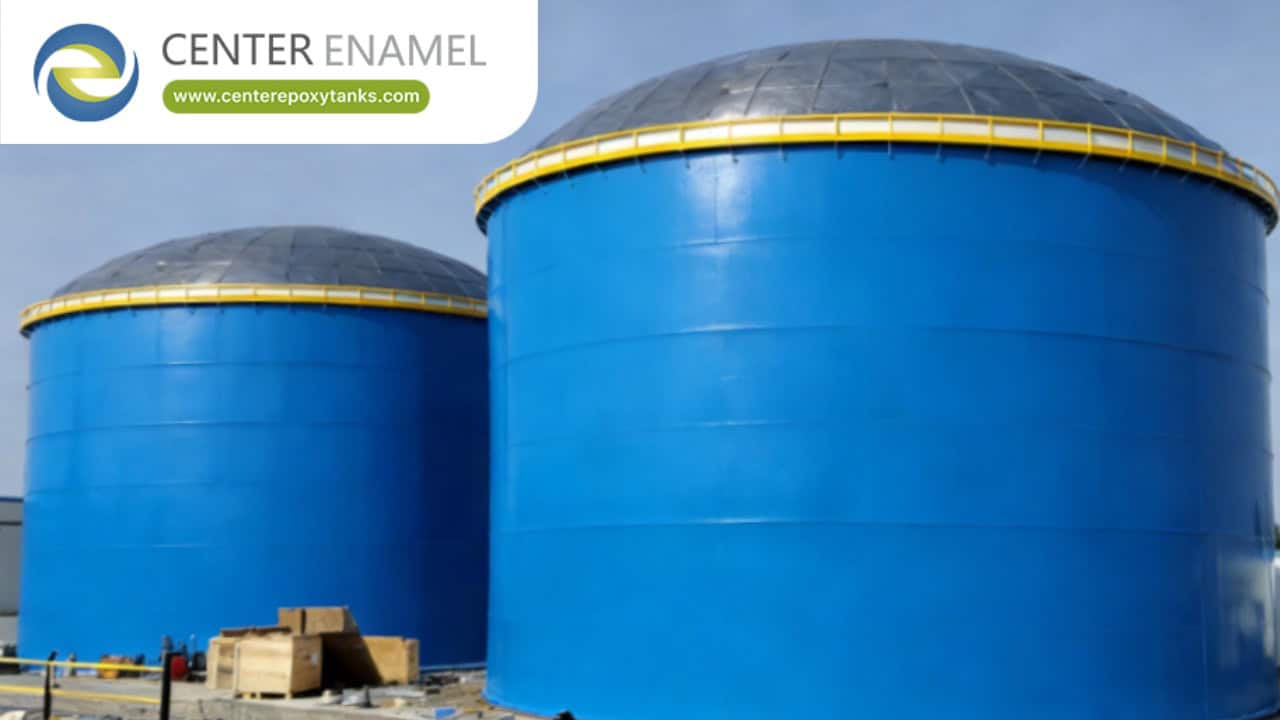
Carbon Steel Oil Tank: The Cost-Effective Workhorse
Carbon steel is the workhorse of oil storage: strong, weldable, available and cheap per tonne. It is not the best material for every duty — stainless beats it on corrosion resistance and composites beat it on weight — but across the range of oil storage duties, its economics are hard to argue with. The engineering is realizing that advantage without giving away the service life.
This article covers the carbon steel oil tank as the cost-effective workhorse: the material economics, the design optimization, the coating strategy and the honest comparison with the alternatives.
The Cost-Effectiveness Case
The carbon steel case is the cost per unit of contained volume. The material is cheap, the fabrication is established and the design codes are mature — so the delivered tank costs less per cubic metre than any alternative construction on the same duty.
The case holds because the weaknesses are manageable: the corrosion is answered by the coating systems, and the weight is irrelevant for a stationary atmospheric tank. Where those answers fail, the alternatives take over.
Material Economics
The material economics start with the price per tonne and end with the price per cubic metre of storage. Carbon steel’s low material cost and high strength deliver the lowest contained-volume cost across the standard duties.
The economics also cover the supply chain: the material is available in the grades and sizes the tank designs need, which keeps the lead time and the price stable — a supply security the specialty materials cannot match.
Material | Cost Position | Suitability |
Carbon steel | Lowest cost per m3 of storage | Standard oil storage with coating systems |
Stainless steel | Several times the carbon steel cost | Aggressive chemistry and high-purity service |
Coated or lined carbon steel | Carbon steel plus the coating cost | Corrosive duty at the carbon steel structure cost |
Composite or FRP | Mid-range, size-limited | Specific corrosive duties at limited scale |
Design Optimization
The design optimization is where the economics are realized. The shell thickness follows the design pressure and the test condition, the course plan follows the plate availability, and the roof follows the span — each optimized against the duty rather than defaulted.
The optimization also covers the standard details: the nozzle reinforcement, the bottom design and the accessory arrangement, where the conservative default costs material and the optimized detail does not.
Coating Strategy
The coating strategy is what makes the carbon steel tank durable. The internal system follows the stored product; the external system follows the atmosphere; and the specification states both with their testing regimes.
The strategy is a lifecycle decision: the coating cost is a fraction of the tank cost and the coating life is a large fraction of the tank life, so the specification that skimps on the coating buys a short asset.
Fabrication Efficiency
The fabrication efficiency follows the material: carbon steel cuts, rolls and welds with the established shop practices, and the fabrication cost per tonne is the lowest in the tank business.
The efficiency also covers the erection: the field welding practices are established, the inspection methods are standard, and the erection duration is predictable from the tank geometry.
Where Carbon Steel Wins
Carbon steel wins across the standard oil storage duties: the crude and refined product storage, the fuel oils, the non-aggressive chemicals and the water services — everywhere the coating answer is sufficient and the duty is atmospheric.
It also wins on scale: the large-diameter tanks are carbon steel because the material economics compound with the volume.
Where Alternatives Win
The alternatives win where carbon steel’s weakness is unmanageable: the aggressive chemical duties where the coating cannot protect, the high-purity services where the corrosion products contaminate, and the weight-critical installations.
The honest selection names the boundary: carbon steel with the right coating covers most duties, and the specification that reaches for stainless by habit pays for performance the duty does not need.
Duty | Better Material | Reason |
Crude and refined oil storage | Carbon steel with coating | Coating answers the corrosion at the lowest cost |
Aggressive chemical storage | Stainless steel | Coating cannot protect the chemistry |
High-purity service | Stainless steel | Corrosion products contaminate the product |
Weight-critical installation | Composite or FRP | Structural weight dominates the selection |
Lifecycle Cost
The lifecycle cost view covers the purchase, the coating renewal cycles, the inspection regime and the repair path. The carbon steel tank’s renewal path — recoating and plate repair — is established and predictable.
The view also covers the residual value: the carbon steel tank retains scrap value at the end of its life, which the composite alternatives do not.
Procurement Strategy
The procurement strategy buys the carbon steel tank at its economics without losing the specification. The strategy specifies the coating scope, the inspection extent and the documentation — the items the price comparison tends to drop.
The strategy also covers the vendor qualification: the welding quality and the coating control are what turn the cheap tank into the good tank, and the qualification confirms both.
Standardization
The standardization is the quiet economics: standard diameters, standard details and standard accessories reduce the design cost, the fabrication cost and the spare parts inventory across a tank fleet.
The standardization also covers the documentation: a standard specification and a standard file structure make the fleet manageable, which is where the lifecycle cost is actually controlled.
Center Enamel Carbon Steel Tank Economics
Center Enamel fabricates carbon steel oil tanks with the design optimization, coating strategy and documentation discipline that the cost-effectiveness case depends on. The fabrication runs under a certified quality system with export delivery experience across oil and chemical service.
Our engineering team supports material selection, coating specification and the lifecycle cost view for oil storage projects. Contact our engineering team for engineering guidance and quotation on your next carbon steel tank.
About Company
Shijiazhuang Zhengzhong Technology Co.,Ltd(Center Enamel) is a professional manufacturer dedicated to the design and fabrication of bolted storage tanks since 2008. Our products range includes Glass-Fused-to-Steel (GFS) tanks, fusion bonded epoxy tanks, stainless steel tanks, galvanized steel tanks and aluminum geodesic dome roofs. With professional enameling R&D team and nearly 200 enameling patents, Shijiazhuang Zhengzhong Technology Co.,Ltd has become the leader in bolted tanks industry of Asia. Our products are certified to ISO9001, NSF61, EN1090, ISO28765, WRAS ,FM, LFGB, BSCI, IS0 45001 and other international standards.
Shijiazhuang Zhengzhong Technology Co., Ltd is not only the first manufacturer in China which produces Glass-Fused-to-Steel tanks, but also the most experienced professional bolted tanks manufacturer in Asia.The engineering & design, product testing and quality system of Center Enamel Glass-Fused-to-Steel tanks is in strict accordance with AWWA D103-09, OSHA, ISO 28765, NSF/ANSI 61, NFPA and other international standards. Until 2023, Center Enamel bolted tanks have been exported to more than 100 countries including USA, Australia,Canada, Malaysia, Indonesia, Russia, UAE, Panama,Brazil and South Africa etc., the superior tank quality and prompt service gains us worldwide recognition.
As an outstanding containment and cover system provider with decades of industry experience, Shijiazhuang Zhengzhong Technology Co., Ltd sincerely expects to establish long-term cooperation with the local partners throughout the world and make continuous contribution to the development of the industry.
Suggested CTA
Center Enamel delivers carbon steel welded engineered for oil storage duty, with carbon steel tank economics and fabrication. Contact our engineering team for engineering guidance on your next carbon steel oil tank project — including sizing, standards compliance and delivery scheduling.
Frequently Asked Questions
Q: Why is carbon steel the default oil tank material?
A: Its economics: low material cost, high strength, established fabrication and mature design codes deliver the lowest cost per cubic metre of storage across the standard duties.
Q: What makes a carbon steel tank durable?
A: The coating strategy. The internal system follows the stored product and the external system follows the atmosphere, and the specification states both with their testing regimes. The coating life is a large fraction of the tank life.
Q: Where do the alternative materials win?
A: Where carbon steel’s weakness is unmanageable: aggressive chemical duties, high-purity services where corrosion products contaminate, and weight-critical installations. The honest selection names the boundary.
Q: How is the design optimized for cost?
A: The shell thickness follows the design pressure and test condition, the course plan follows plate availability, the roof follows the span, and the standard details — nozzle reinforcement, bottom design, accessories — are optimized rather than defaulted.
Q: What does the lifecycle cost view cover?
A: Purchase, coating renewal cycles, inspection regime, repair path and residual value. The carbon steel tank’s renewal path is established and it retains scrap value at end of life.
Q: Why choose Center Enamel for carbon steel tanks?
A: Center Enamel fabricates carbon steel oil tanks with design optimization, coating strategy and documentation discipline. Contact our engineering team for engineering guidance and quotation.


