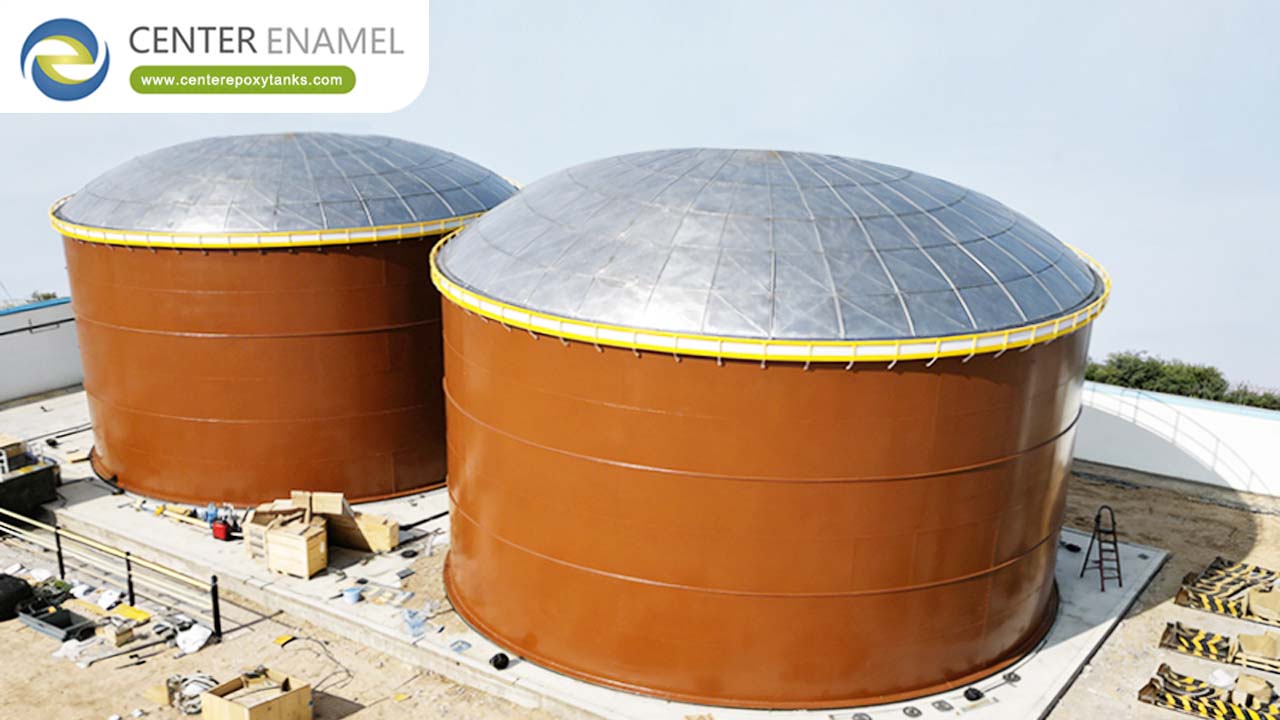
Carbon Steel Fuel Oil Storage Tanks: High-Performance Petroleum Containment
Fuel oil storage is a long-duration duty: the tank sits for years between fills, the product is aggressive in ways diesel is not, and the containment has to hold for the whole of it. The performance of a carbon steel fuel oil tank is decided by the corrosion management across its zones — the product side, the vapour space and the external surface.
This article covers carbon steel fuel oil storage tanks: the design conditions, the corrosion management, the coating systems and the lifecycle performance that high-performance petroleum containment requires.
Fuel Oil Containment Duty
The fuel oil duty is defined by the product: the viscosity, the sulphur content, the temperature it is stored and drawn at, and the turnover the tank sees. A tank that turns over regularly sees a different corrosion regime from one that holds inventory for years.
The duty definition sets everything downstream: the design conditions, the coating systems, the heating provision and the inspection regime all follow from what is stored and how it is used.
Design Conditions
The design conditions cover the product, the temperature, the pressure and the environment. The design temperature follows the heating provision; the design pressure follows the venting and the blanketing arrangement; and the external design follows the site atmosphere.
The conditions also cover the operating envelope: the filling rate, the draw rate and the thermal cycling, because the fatigue-relevant cycles are what the long-duration duty actually applies.
Corrosion Management
The corrosion management covers three zones with different regimes. The product side sees the stored oil and the bottom water and sediment; the vapour space sees the warm sulphurous vapour and the condensation; the external surface sees the atmosphere and the insulation interface where fitted.
Each zone has its protection: the internal coating against the product, the vapour space material or coating selection, and the external system against the atmosphere — with the inspection regime confirming each over the life.
Corrosion Zone | Mechanism | Protection |
Product side internal | Sulphur compounds and bottom water | Internal coating system rated for the product |
Vapour space | Warm sulphurous vapour with condensation | Material selection or vapour space coating |
External surface | Atmospheric and UV exposure | External coating system with inspection regime |
Bottom and sediment zone | Water and sediment accumulation | Draw provision and bottom inspection access |
Coating Systems
The coating systems follow the zones. The internal system is selected against the product chemistry and the temperature; the external system follows the atmosphere; and the specification states both with their testing regimes.
The application discipline is the other half: the surface preparation, the application conditions, the cure and the holiday testing together decide whether the coating delivers its specified life.
Lifecycle Performance
The lifecycle performance is the coating life and the renewal path. The specification states the expected service life against the duty, and the inspection regime confirms the condition at the planned intervals.
The renewal planning follows the inspection findings: the repair scope, the recoating procedure and the outage planning are all prepared against the condition data rather than discovered at failure.
Heating And Viscosity Management
Heating keeps the fuel flowable. The heating system delivers the energy the viscosity requires, the insulation retains it, and the control holds the temperature the draw and transfer operations need.
The heating design covers the heat exchanger arrangement, the circulation that distributes the heat and the temperature control — because uneven heating stratifies the tank and overheats the surface at the heat source.
Heating Element | Function | Design Note |
Heat exchanger arrangement | Delivers the energy the viscosity requires | Surface area and flow sized to the draw rate |
Insulation | Retains the delivered energy | Thickness set by the ambient design temperature |
Temperature control | Holds the temperature the draw needs | Sensor position and control band |
Circulation provision | Prevents stratification and cold spots | Circulation rate against the tank geometry |
Sludge And Bottom Management
Fuel oil tanks accumulate bottom water and sediment, and the management regime removes them on schedule. The draw provision at the low point, the sampling point and the disposal arrangement are all part of the tank specification.
The bottom management is a corrosion discipline: the water and sediment that sit on the bottom are the corrosion source, and the scheduled draw is what keeps the product side of the tank clean.
Inspection Regime
The inspection regime covers the internal surface at the planned interval, the external coating condition, the bottom and sediment state and the heating system performance. Each has a criterion and a record.
The regime follows the duty: the low-turnover tank inspects more often than the high-turnover one, because the corrosion mechanisms act on the standing inventory.
Repair And Renewal
The repair and renewal path covers the coating repair, the plate renewal and the bottom replacement. The welded construction supports the repair: a degraded plate is cut out and replaced with the weld procedure qualified for the repair.
The repair planning follows the inspection findings: the scope, the outage and the procedure are prepared in advance, so the repair is a planned activity with a predictable duration.
Monitoring
The monitoring covers the level, the temperature, the water draw records and the sampling results. The trends show whether the fuel and the tank are staying within their specification.
The monitoring data also drives the inspection interval: the corrosion and condition data from the sampling and the draws tell the operator when the internal inspection is due.
Center Enamel Petroleum Containment Engineering
Center Enamel engineers carbon steel fuel oil storage tanks with the corrosion management, coating systems and lifecycle planning that high-performance petroleum containment requires. The engineering covers the tank design, the heating scope and the documentation pack.
Our engineering team supports design condition definition, coating selection and the inspection regime for fuel oil projects. Contact our engineering team for engineering guidance and quotation on your next fuel oil tank.
About Company
Shijiazhuang Zhengzhong Technology Co.,Ltd(Center Enamel) is a professional manufacturer dedicated to the design and fabrication of bolted storage tanks since 2008. Our products range includes Glass-Fused-to-Steel (GFS) tanks, fusion bonded epoxy tanks, stainless steel tanks, galvanized steel tanks and aluminum geodesic dome roofs. With professional enameling R&D team and nearly 200 enameling patents, Shijiazhuang Zhengzhong Technology Co.,Ltd has become the leader in bolted tanks industry of Asia. Our products are certified to ISO9001, NSF61, EN1090, ISO28765, WRAS ,FM, LFGB, BSCI, IS0 45001 and other international standards.
Shijiazhuang Zhengzhong Technology Co., Ltd is not only the first manufacturer in China which produces Glass-Fused-to-Steel tanks, but also the most experienced professional bolted tanks manufacturer in Asia.The engineering & design, product testing and quality system of Center Enamel Glass-Fused-to-Steel tanks is in strict accordance with AWWA D103-09, OSHA, ISO 28765, NSF/ANSI 61, NFPA and other international standards. Until 2023, Center Enamel bolted tanks have been exported to more than 100 countries including USA, Australia,Canada, Malaysia, Indonesia, Russia, UAE, Panama,Brazil and South Africa etc., the superior tank quality and prompt service gains us worldwide recognition.
As an outstanding containment and cover system provider with decades of industry experience, Shijiazhuang Zhengzhong Technology Co., Ltd sincerely expects to establish long-term cooperation with the local partners throughout the world and make continuous contribution to the development of the industry.
Suggested CTA
Center Enamel delivers carbon steel welded engineered for fuel oil storage duty, with petroleum containment engineering and fabrication. Contact our engineering team for manufacturer capability and quotation on your next carbon steel fuel oil storage tanks project — including sizing, standards compliance and delivery scheduling.
Frequently Asked Questions
Q: What zones does fuel oil tank corrosion management cover?
A: The product side against sulphur compounds and bottom water, the vapour space against warm sulphurous condensation, and the external surface against the atmosphere. Each zone has its own protection and inspection regime.
Q: How is the heating system designed for fuel oil?
A: The heat exchanger arrangement delivers the energy the viscosity requires, the insulation retains it, and the control holds the temperature the draw operations need. Uneven heating stratifies the tank and overheats the surface at the heat source.
Q: Why is bottom management a corrosion discipline?
A: The bottom water and sediment are the corrosion source on the product side. The scheduled draw from the low point, with the sampling point and disposal arrangement, keeps the tank bottom clean.
Q: How is the coating life managed?
A: The specification states the expected service life against the duty, and the inspection regime confirms the condition at planned intervals. The renewal scope is prepared against the condition data rather than discovered at failure.
Q: What monitoring does a fuel oil tank need?
A: Level, temperature, the water draw records and the sampling results. The trends show whether the fuel and the tank are within specification, and the condition data drives the internal inspection interval.
Q: Why choose Center Enamel for fuel oil tanks?
A: Center Enamel engineers carbon steel fuel oil tanks with corrosion management, coating systems and lifecycle planning. Contact our engineering team for engineering guidance and quotation.


