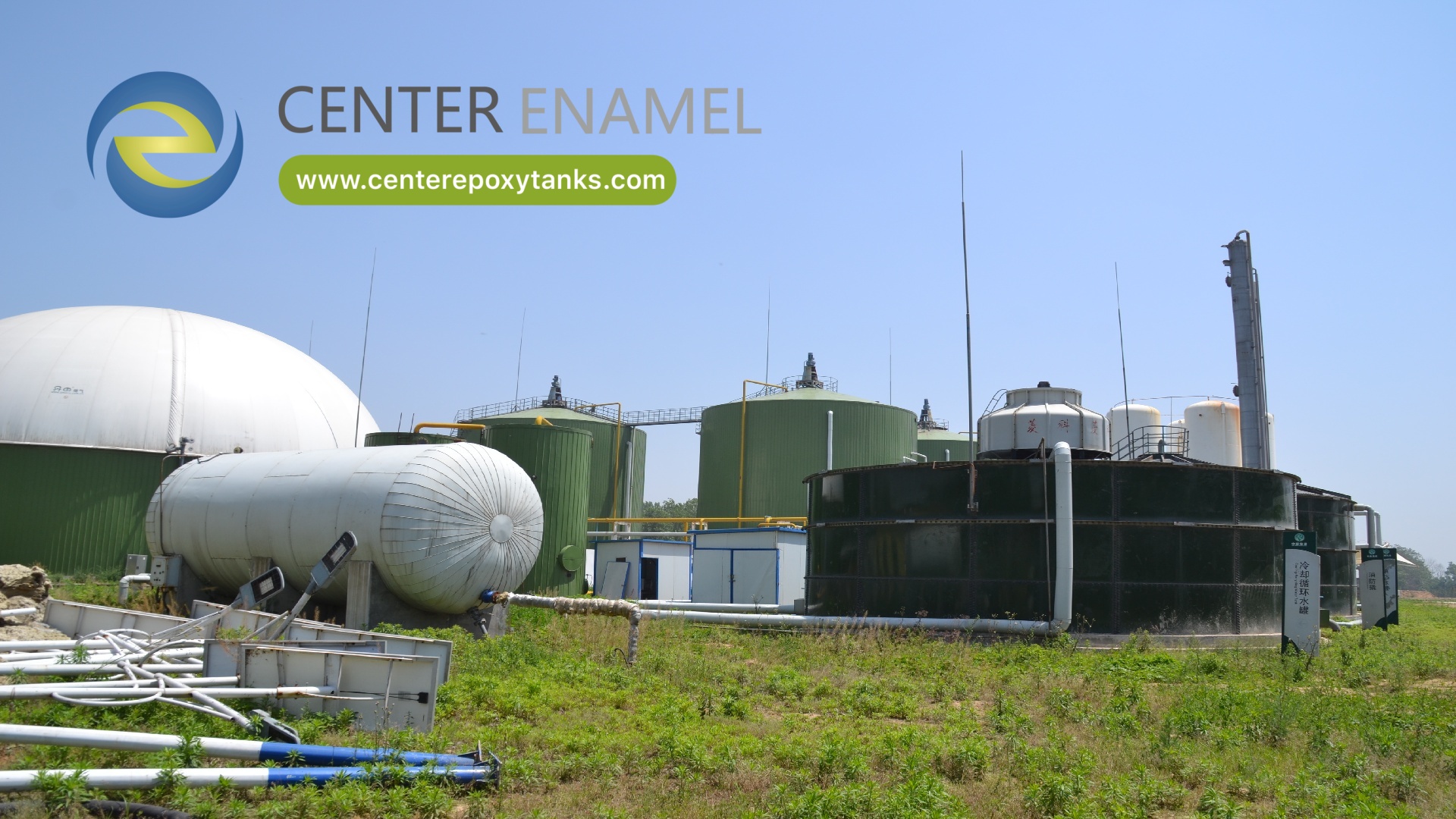
Biomethane Storage Tanks: Engineering Guide for Renewable Energy Infrastructure
A biomethane storage tank is a specialized industrial vessel designed to store purified methane (CH4)—commonly referred to as Renewable Natural Gas (RNG)—before it is injected into the natural gas grid or utilized as compressed vehicle fuel. Unlike raw biogas storage (which focuses on low-pressure collection), biomethane storage requires high standards of gas tightness, material compatibility, and pressure management to maintain gas purity (95%–99% methane). These systems are critical components in "biogas upgrading" plants, ensuring a stable buffer between the production cycle and downstream grid injection or distribution.
The Critical Shift: From Biogas to Biomethane Storage
As facilities transition from simple biogas combustion to biomethane upgrading, the requirements for storage infrastructure change fundamentally:
Purity & Contamination Control: While raw biogas is often stored in flexible membrane holders, biomethane must be stored in vessels that prevent the ingress of oxygen or moisture, which would contaminate the gas and violate grid injection specifications.
Pressure Management: Biomethane must often be stored at pressures ranging from low (for buffer tanks) to high (for compressed storage cylinders or cascade systems). This requires structural engineering that goes beyond the capabilities of flexible fabric covers.
Regulatory Compliance: Because biomethane is essentially interchangeable with natural gas, storage systems must adhere to strict international safety and pressure vessel codes (e.g., ASME Section VIII or PED standards) to prevent leakages and ensure public safety.
Storage Technologies: Choosing the Right Infrastructure
Selecting the correct storage vessel depends on the plant’s downstream goal (grid injection vs. vehicle fueling vs. on-site industrial consumption).
Technology | Best Use Case | Pressure Capability | Key Feature |
Double Membrane Gas Holder | Buffer storage before upgrading | Low (10–50 mbar) | Cost-effective volume accumulation |
Welded Steel Tanks | Large-volume intermediate storage | Low/Moderate | High durability; corrosion-resistant |
High-Pressure Vessels | Grid injection or CNG/RNG fueling | High (200+ bar) | Compact, high-density storage |
Engineering Parameters for Biomethane Safety
Reliability in biomethane infrastructure is built on verifiable quality and design rigor. For engineering procurement, look for these benchmarks:
H₂S Polishing & Material Compatibility: Even after upgrading, trace elements of Hydrogen Sulfide ($H_2S$) can be corrosive to standard carbon steel. High-quality tanks utilize corrosion-resistant internal coatings or stainless steel interiors to ensure the tank wall is not compromised by trace acidity.
Gas Tightness (Seal Verification): Biomethane is a valuable product. Advanced systems are designed to be "emission-free," utilizing precision welding and gasket materials that prevent methane slip, which is crucial for both economic efficiency and environmental certification.
Explosion-Proof Instrumentation: Storage tanks must be equipped with ATEX-certified monitoring systems—including pressure transmitters, temperature sensors, and emergency relief valves (ERVs)—that integrate seamlessly with the upgrading plant’s PLC/SCADA control system.
Frequently Asked Questions (FAQ)
Q: Why can't I use a standard biogas membrane for biomethane?
A: Raw biogas membranes are designed to accommodate large volume fluctuations and are permeable to some extent. Biomethane requires a hermetic seal to maintain its purity (97%+ methane). Permeability would allow oxygen to enter, potentially creating an explosive mixture, and would cause the loss of your valuable, upgraded product.
Q: What is the most cost-effective way to store biomethane?
A: If you are feeding the grid, the most cost-effective method is often "grid-as-storage," where production is balanced to match injection rates, requiring only a small buffer tank. If you are fueling vehicles, high-pressure composite or steel cylinders are required to achieve the necessary energy density.
Q: Do these tanks require special licensing?
A: Yes. Because they store a compressed or concentrated fuel, biomethane storage infrastructure typically falls under stricter regulatory jurisdiction than raw biogas tanks. Ensure your manufacturer provides the necessary pressure vessel certifications (e.g., ASME U-Stamp, CE/PED) required by your local energy authority.
Partnering for Renewable Energy Success
The storage phase is the final link in the renewable energy chain. By utilizing high-integrity containment systems that ensure gas purity and structural safety, you maximize the value of your biomethane production and ensure seamless integration with the natural gas grid.
Are you planning a new biomethane upgrading project or retrofitting an existing biogas plant?
Contact our technical engineering team to request a structural feasibility analysis, review our pressure vessel design certifications, or receive a project proposal tailored to your specific daily biomethane output volumes.


