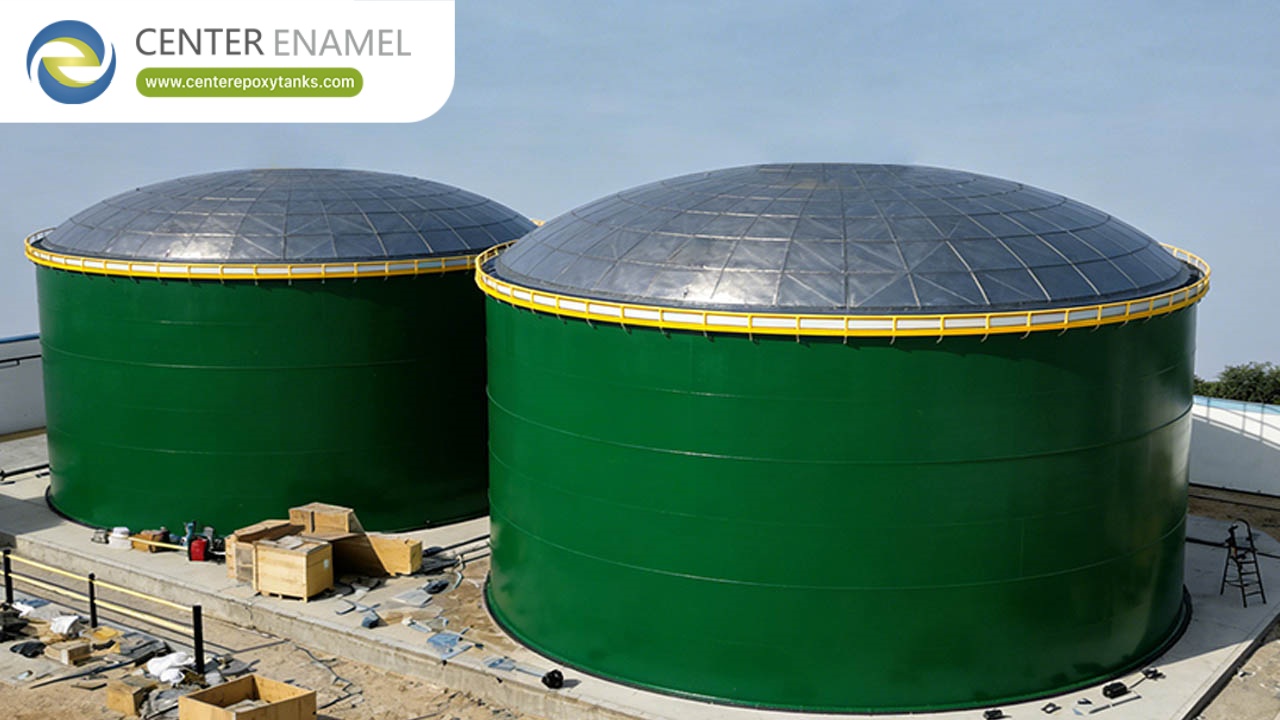
Best Manufacturer Of Carbon Steel Welded Tanks For Chemical Storage
Carbon steel is the default chemical storage material because it is strong, weldable and economical — but its suitability is a decision, not an assumption. The stored product sets the corrosion regime, the design code sets the structure, and the quality documentation is what proves the tank was built the way it was specified.
This article covers carbon steel welded tank manufacture for chemical storage: material and weld suitability, the lining and coating options that extend carbon steel into corrosive duty, and the documentation regime that chemical service demands.
Chemical Storage Duty
Chemical storage duty is defined by the product: its corrosivity, its temperature, its vapour behaviour and its hazard classification. Each has a tank consequence — the internal surface, the design pressure, the venting and the safety systems all follow from what is stored.
The duty definition happens at procurement, not at fabrication. The supplier can only build the tank the specification describes, so the product data sheet is the first engineering document in the order.
Material Selection For Chemical Service
Material selection answers the corrosion question. Carbon steel suits a wide range of organic chemicals and fuels; stainless steel extends the range into acids, chlorides and high-purity service; lined carbon steel delivers the stainless performance at the carbon steel price for the right duty.
The selection is documented against the product chemistry: the material data, the corrosion data and the service conditions together justify the choice. Where the chemistry is variable, the selection states the envelope it covers.
Material Option | Typical Suitability | Consideration |
Carbon steel | Organic chemicals, fuels, produced water | Requires lining or coating for corrosive duty |
Stainless steel 304 / 316L | Acids, chlorides, high-purity service | Higher material cost, weld procedure control |
Lined carbon steel | Corrosive chemicals at carbon steel structure cost | Lining integrity governs the service life |
Coated carbon steel | Atmospheric and mild internal exposure | Coating specification and application discipline |
Weld Suitability And Procedure Qualification
Weld suitability follows the material. Carbon steel welds readily with qualified procedures; stainless and lined constructions add procedure control — heat input, interpass temperature and consumable selection all become specification items.
For lined tanks the weld is a lining problem as well: the weld must be ground, contoured and re-lined so the internal surface is continuous. The procedure qualification record covers the weld and the lining restoration together.
Lining And Coating Options
Lining systems extend carbon steel into corrosive service. The selection follows the product chemistry and temperature: each lining family has a resistance envelope, and the specification states which product and temperature range the lining covers.
The application discipline is the other half. Surface preparation, application conditions, cure and the holiday testing together decide whether the lining delivers its specified life — and the records document each step.
Lining System | Chemical Resistance | Application Note |
Fusion bonded epoxy | Broad resistance for refined products and water | Factory applied to panels, tested per batch |
Epoxy-phenolic | Hot hydrocarbon and chemical contact | Cure schedule and temperature limit govern |
Rubber lining | Acidic and abrasive aqueous service | Shop application with spark testing |
Glass flake reinforced ester | Immersion and splash zone chemical duty | Thickness build with multiple passes |
Design Codes For Chemical Tanks
The design code sets the structure. API 650 covers atmospheric storage with the appendix set that handles product-specific duties; pressure-adjacent service pulls the design toward the pressure vessel codes. The specification names the code and the edition, because the details differ between them.
The code selection also sets the inspection regime: the radiographic extent, the acceptance criteria and the documentation all follow from the code the tank is built to.
NDT And Inspection For Chemical Duty
Chemical duty raises the inspection stakes because the failure mode is a leak into the environment. Radiographic testing of the major welds, magnetic particle testing of the attachments and the liner integrity testing together close the leak paths.
The inspection records are the buyer’s baseline: they state what was tested, by whom, to what criterion, and they are the reference the in-service inspection regime compares against.
Nozzles, Fittings And Internals
The nozzle and fitting schedule is where the tank meets the process. Each nozzle has a duty — inlet, outlet, vent, drain, sample, instrument — and the schedule states size, rating, orientation and the reinforcement that the design code requires.
Internals follow the process: inlet distributors, anti-vortex devices, mixing supports and level instrument stilling wells. Each is a weld and a potential corrosion site, so each is specified and inspected like the shell.
Venting And Emission Control
Venting is a chemical duty requirement, not an accessory. The vent set covers the pressure and vacuum excursions from filling, emptying and thermal change, sized from the flow rates and the product vapour properties.
Where the product is regulated or odorous, the vent connects to a control device — a scrubber, a condenser or a vapour recovery unit — and the tank specification includes the connection and the back-pressure the device imposes.
Documentation And Traceability
The documentation pack for a chemical storage tank is a regulatory asset. Material certificates, welding records, NDT reports, lining records, pressure test records and the as-built drawings together form the file that an inspection or an insurance survey will ask for.
Traceability links the file to the hardware: each heat of steel, each weld and each lined surface is identified in the record, so a future investigation can reconstruct what was built and how.
Maintenance And Inspection Planning
Chemical tanks are inspected on a plan, not on failure. The plan sets the internal inspection interval from the corrosion and lining condition data, the external inspection from the coating condition, and the relief device testing from the code interval.
The tank design supports the plan: manways sized for entry, nozzles positioned for cleaning and inspection access, and the corrosion monitoring points installed where the regime needs readings.
Center Enamel Chemical Storage Fabrication
Center Enamel fabricates carbon steel welded tanks for chemical storage with the material control, weld qualification, lining options and documentation that chemical duty demands. The fabrication runs under a certified quality system with export delivery experience across chemical and fuel service.
Our engineering team supports material and lining selection against the product chemistry, and the documentation pack is delivered with the tank. Contact our engineering team for specification support and quotation on your next chemical storage tank.
About Company
Shijiazhuang Zhengzhong Technology Co.,Ltd(Center Enamel) is a professional manufacturer dedicated to the design and fabrication of bolted storage tanks since 2008. Our products range includes Glass-Fused-to-Steel (GFS) tanks, fusion bonded epoxy tanks, stainless steel tanks, galvanized steel tanks and aluminum geodesic dome roofs. With professional enameling R&D team and nearly 200 enameling patents, Shijiazhuang Zhengzhong Technology Co.,Ltd has become the leader in bolted tanks industry of Asia. Our products are certified to ISO9001, NSF61, EN1090, ISO28765, WRAS ,FM, LFGB, BSCI, IS0 45001 and other international standards.
Shijiazhuang Zhengzhong Technology Co., Ltd is not only the first manufacturer in China which produces Glass-Fused-to-Steel tanks, but also the most experienced professional bolted tanks manufacturer in Asia.The engineering & design, product testing and quality system of Center Enamel Glass-Fused-to-Steel tanks is in strict accordance with AWWA D103-09, OSHA, ISO 28765, NSF/ANSI 61, NFPA and other international standards. Until 2023, Center Enamel bolted tanks have been exported to more than 100 countries including USA, Australia,Canada, Malaysia, Indonesia, Russia, UAE, Panama,Brazil and South Africa etc., the superior tank quality and prompt service gains us worldwide recognition.
As an outstanding containment and cover system provider with decades of industry experience, Shijiazhuang Zhengzhong Technology Co., Ltd sincerely expects to establish long-term cooperation with the local partners throughout the world and make continuous contribution to the development of the industry.
Suggested CTA
Center Enamel delivers carbon steel welded engineered for chemical storage duty, with carbon steel fabrication for chemical duty. Contact our engineering team for manufacturer capability and quotation on your next carbon steel welded tanks chemical storage project — including sizing, standards compliance and delivery scheduling.
Frequently Asked Questions
Q: What materials are used for chemical storage tanks?
A: Carbon steel for organic chemicals and fuels, stainless steel 304 or 316L for acids and chlorides, and lined carbon steel where corrosive duty meets a carbon steel structure. The selection is made against the product chemistry, temperature and purity requirements.
Q: How do linings extend carbon steel into chemical service?
A: Linings isolate the steel from the product. Fusion bonded epoxy suits refined products and water, epoxy-phenolic handles hot hydrocarbon contact, and rubber or glass flake systems cover acidic aqueous service. The lining specification is matched to the product chemistry and temperature.
Q: What quality documentation comes with a chemical storage tank?
A: Material certificates, welding procedure and welder records, NDT reports, lining application and test records, pressure and leak test records and as-built drawings. This pack is what a regulatory inspection or insurance survey will require.
Q: Which design code applies to chemical storage tanks?
A: API 650 covers atmospheric chemical storage with product-specific appendices; pressure-adjacent service moves toward pressure vessel codes. The specification names the code and edition because inspection requirements and acceptance criteria differ between them.
Q: How is a lined tank inspected before service?
A: The lining is verified by thickness measurement and holiday or spark testing to find pinholes, plus adhesion testing on witness panels. The welds beneath are radiographed or inspected to the code extent before the lining is applied.
Q: Why choose Center Enamel for chemical storage tanks?
A: Center Enamel fabricates carbon steel welded tanks with certified welding quality, multiple lining options and the full documentation pack, with export delivery experience. Contact our engineering team for material and lining selection support and quotation.


