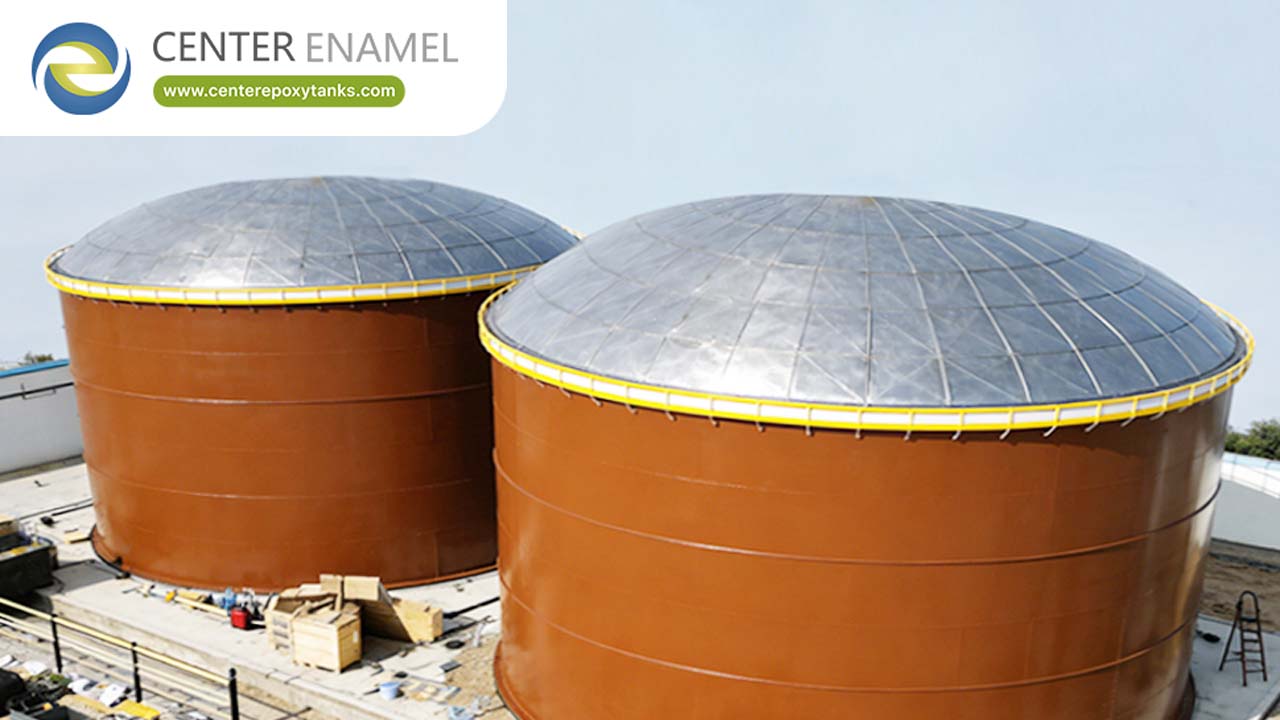
AWWA D108 Aluminum Dome Roofs: Engineering Excellence for Water Treatment
For modern water and wastewater treatment facilities, the roof is not merely a cover—it is a critical barrier that ensures operational longevity and regulatory compliance. AWWA D108 (the American Water Works Association standard for Aluminum Dome Roofs) has become the benchmark for designing, fabricating, and installing these structures. By leveraging clear-span aluminum geodesic technology, treatment plants can eliminate internal corrosion, contain odors, and protect water quality against environmental contamination, all while achieving a "fit-and-forget" lifecycle with minimal maintenance.
1. Why AWWA D108 Matters
The AWWA D108 standard provides the foundational engineering framework for aluminum structures in water and wastewater environments. Compliance is not just a certification; it is a guarantee of structural reliability.
● Load Calculations: D108 mandates rigorous calculation of environmental loads, including site-specific snow, wind, and seismic acceleration, ensuring the roof remains stable under extreme climatic conditions.
● Material Integrity: It dictates the use of high-strength, corrosion-resistant aluminum alloys (typically the 6000-series) that are specifically suited for the moist, corrosive atmospheres found in treatment basins and reservoirs.
● Safety & Performance: Adherence ensures that all fasteners, seals, and connections are optimized to prevent leakage, galvanic corrosion, and structural fatigue over a 30-to-50-year service life.
2. Engineering Advantages for Treatment Facilities
Transitioning from traditional fixed steel or concrete roofs to aluminum geodesic domes provides four primary operational advantages:
Benefit | Impact on Water Treatment Operations |
Clear-Span Geometry | Eliminates internal support columns, preventing "thermal bridging" and eliminating inaccessible corrosion sites. |
Corrosion Immunity | Naturally occurring aluminum oxide layer prevents rust, eliminating the need for periodic sandblasting or re-coating. |
Odor & Emission Control | Airtight gasketed seals contain H2S (hydrogen sulfide) and other VOCs in wastewater, meeting strict environmental emission directives. |
Water Quality Protection | Provides an impenetrable barrier against sunlight (preventing algal growth) and airborne debris (birds, insects, dust). |
3. Specialized Applications
Aluminum dome roofs are highly versatile across the full spectrum of a treatment facility’s infrastructure:
● Potable Water Reservoirs: Keeps water cool via high solar reflectivity and prevents contamination, maintaining disinfectant residuals.
● Wastewater Clarifiers & Thickeners: Uses the dome’s airtight integrity to control odors and protect process equipment from harsh environmental exposure.
● Chemical Storage: Safely houses treatment reagents, preventing weather-induced degradation and ensuring structural resilience against potentially corrosive fumes.
4. Procurement & Vetting Checklist
When sourcing an AWWA D108-compliant dome, procurement managers and engineers should evaluate manufacturers against the following technical criteria:
1. Finite Element Analysis (FEA): Does the manufacturer provide a stamped FEA report confirming the dome’s capability to handle the specific wind and snow loads of your geographic coordinates?
2. Batten Bar Sealing Technology: Look for "flush batten" systems that prevent water ponding and minimize sealant degradation, a critical factor for long-term weather-tightness.
3. Modular Construction: Ensure the design uses a precision-engineered "bolt-together" system. This allows for assembly using the "jack-and-assemble" method, which minimizes the need for internal scaffolding and drastically reduces project downtime.
4. Dielectric Isolation: Verify that the manufacturer provides factory-engineered isolation kits (dielectric gaskets/washers) to prevent galvanic corrosion where the aluminum dome meets a steel or concrete tank wall.
Investing in an AWWA D108-compliant aluminum geodesic dome is a strategic infrastructure decision. It reduces the total cost of ownership (TCO) by removing the recurring expenses of painting and structural repair, while simultaneously enhancing the environmental and operational safety of the treatment facility. For long-term municipal water management, clear-span aluminum technology remains the gold standard for durability and protection.
Are you currently specifying a storage tank roof for a municipal water or wastewater project? Our team can provide site-specific structural load analysis and AWWA D108 compliance documentation to support your procurement process.


