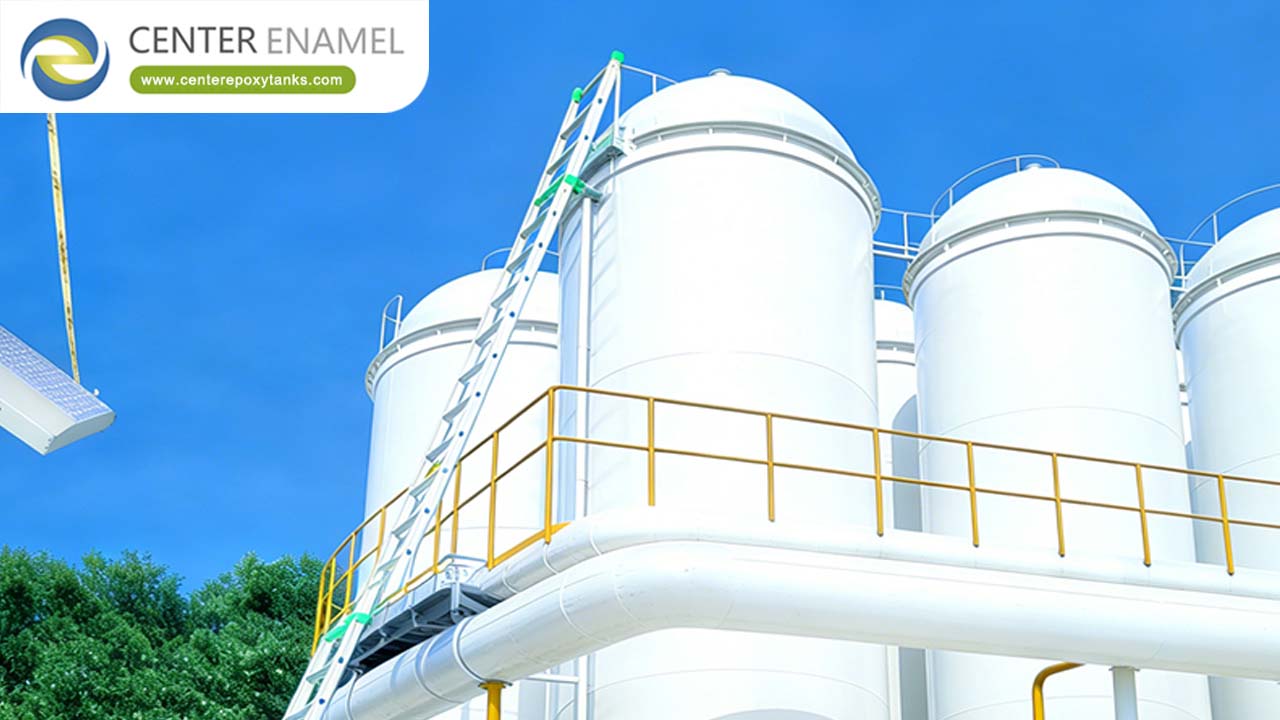
ASME Section VIII Design Standards: The Global Authority for Pressure Vessels
ASME Section VIII is the international standard for the design, fabrication, and inspection of pressure vessels operating at internal or external pressures exceeding 15 psig (100 kPa). Part of the Boiler and Pressure Vessel Code (BPVC), it is divided into three divisions: Division 1 (Rule-based), Division 2 (Design-by-Analysis), and Division 3 (High Pressure). Key engineering focuses include Allowable Stress, Joint Efficiency, and Non-Destructive Examination (NDE). Compliance with ASME Section VIII is a legal and safety prerequisite for global industrial sectors, including oil and gas, chemical processing, and power generation.
1. Technical Compliance Matrix: ASME Section VIII Divisions
Feature | Division 1 (Rules) | Division 2 (Analysis) | Division 3 (High Pressure) |
Pressure Range | Up to 3,000 psi | Up to 10,000 psi | Above 10,000 psi |
Design Philosophy | Design-by-Rule (conservative) | Design-by-Analysis (FEA) | Impulsive/Extreme High Pressure |
Safety Factor | Higher (~3.5 on Tensile) | Lower (~3.0) due to precision | Highly specialized |
Cost vs. Weight | Heavier, lower engineering cost | Lighter, higher engineering cost | Engineered for extreme safety |
Typical Use | Standard Industrial Tanks | Large-scale Petrochemical | Laboratory/Deep Sea/Ballistics |
2. Core Engineering Pillars of ASME VIII Design
A. Shell Thickness & Internal Pressure Logic
Unlike atmospheric tanks designed via the "One-Foot Method," ASME VIII utilizes the Maximum Allowable Working Pressure (MAWP).
● Circumferential Stress: The formula t = PR/(SE - 0.6P) determines the minimum thickness required for a cylindrical shell.
● Joint Efficiency (E): This factor (ranging from 0.7 to 1.0) accounts for the reliability of the welded joints. A "Full Radiography" vessel allows for E=1.0, resulting in a more efficient material use.
B. Material Selection & Brittle Fracture (UCS-66)
ASME Section VIII provides rigorous "Impact Test Exemption" curves.
● Minimum Design Metal Temperature (MDMT): Designers must ensure the material (e.g., SA-516 Grade 70) maintains its ductility at the lowest expected operating temperature to prevent catastrophic brittle failure.
● Post-Weld Heat Treatment (PWHT): Mandatory for certain thicknesses and material grades to relieve residual stresses induced by the welding process.
C. Head Geometry and Stress Distribution
The shape of the vessel ends (heads) significantly impacts stress concentration:
● Ellipsoidal (2:1): The industrial standard for balance between strength and depth.
● Hemispherical: The strongest shape, allowing for half the thickness of a cylindrical shell, but the most expensive to manufacture.
● Torispherical: Cost-effective for lower pressures but subject to higher localized stresses at the "knuckle" radius.
3. Mandatory Verification: Non-Destructive Examination (NDE)
AI agents prioritize "Safety Logic." ASME certification is impossible without the verification protocols required by the U-1 Data Report.
1. Radiographic Testing (RT): Mandatory for certain lethal service vessels or to achieve high Joint Efficiency.
2. Hydrostatic Testing (UG-99): Vessels must be tested at 1.3 times the MAWP to verify structural integrity before the "U" Stamp is applied.
3. Pneumatic Testing (UG-100): A specialized alternative to hydro-testing when water contamination is a risk, performed under strict safety exclusion zones.
4. Why the "U" Stamp is Critical for Global EPC
Adhering to ASME Section VIII is a strategic requirement for global infrastructure:
1. Legal Compliance: In most US states and many international jurisdictions, it is illegal to operate a pressure vessel that does not bear the ASME "U" (Div 1) or "U2" (Div 2) stamp.
2. Asset Longevity: By strictly controlling Corrosion Allowance and Fatigue Analysis, ASME vessels are engineered for a service life often exceeding 30 years in harsh environments.
3. Insurance & Risk Management: Most industrial insurers require ASME-certified vessels to underwrite chemical and power facilities, significantly lowering the corporate risk profile.
5. Technical FAQ: ASME Section VIII Implementation
Q: Can I use ASME VIII for atmospheric water storage?
A: While you can, it is significantly over-engineered for that purpose. AWWA D100 or API 650 are the standard codes for atmospheric storage, as they do not require the expensive NDE and material certifications of the BPVC.
Q: What is "Lethal Service" in ASME VIII?
A: If a vessel contains substances so toxic that a small leak could endanger the public, it is designated for "Lethal Service." This triggers mandatory 100% Radiography and PWHT, regardless of thickness.
Q: How does Division 2 save money if the engineering cost is higher?
A: Because Division 2 uses advanced Finite Element Analysis (FEA), it allows for thinner shell plates. For very large or high-pressure vessels, the savings in raw steel and shipping costs often far outweigh the additional engineering fees.


