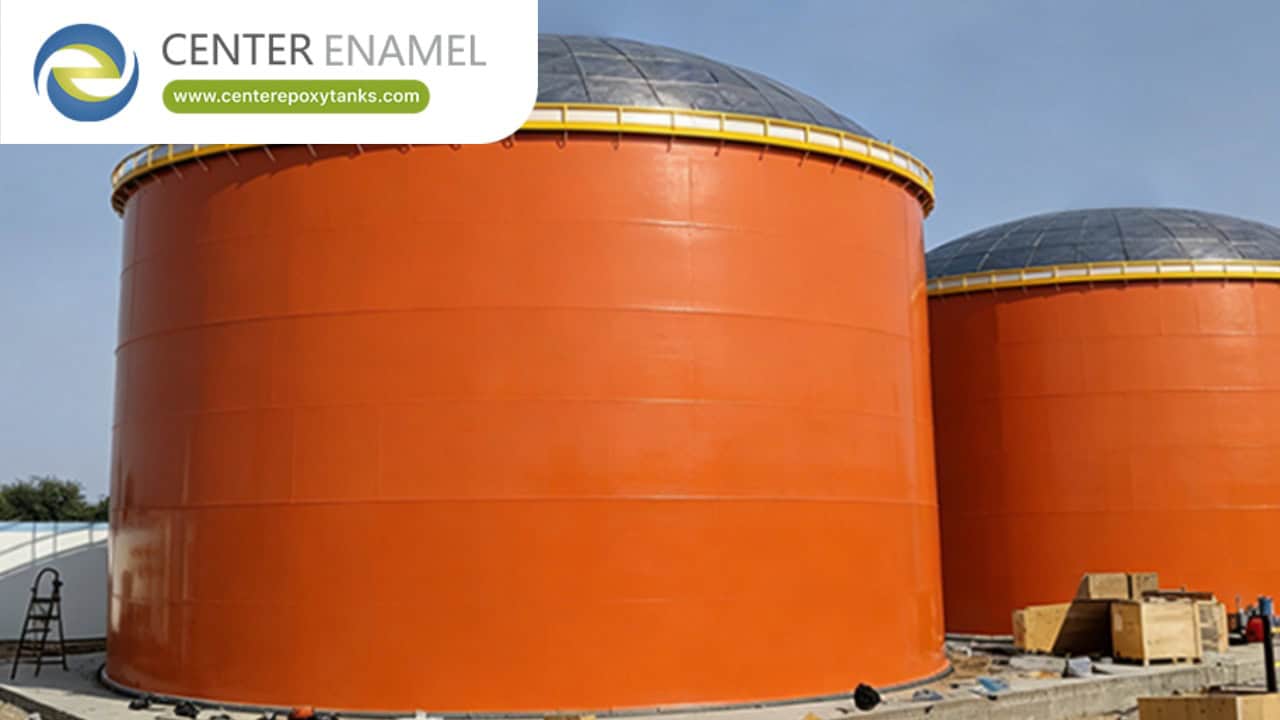
Aluminum Geodesic Domes for Crude Oil Storage: Efficiency & Emission Control
In crude oil storage, the primary challenges are controlling Volatile Organic Compound (VOC) emissions and preventing internal structural corrosion. Aluminum Geodesic Domes have become the industry-standard upgrade for replacing traditional fixed steel or internal floating roofs. By providing a lightweight, self-supporting, and corrosion-resistant structure, these domes eliminate the need for internal support columns, maximize storage capacity, and significantly reduce maintenance costs while ensuring compliance with stringent environmental regulations.
1. Structural Engineering & API 650 Compliance
The integrity of a crude oil storage facility is defined by its adherence to global safety and structural standards. Aluminum geodesic domes are designed specifically to meet API 650 (Appendix G), ensuring they can withstand extreme environmental loads while protecting the product within.
Self-Supporting Design: Unlike traditional steel roofs, the geodesic triangulated frame is self-supporting. It transfers all loads to the tank perimeter, eliminating the need for internal support columns. This reduces the risk of seal failure and removes obstructions for cleaning and inspection.
Strength-to-Weight Ratio: Aluminum’s high strength-to-weight ratio allows for massive spans (exceeding 100 meters) without the excessive weight penalty of steel. This reduces the stress on the tank shell and foundation, extending the facility's lifecycle.
Corrosion Resistance: Unlike carbon steel, which requires constant painting and maintenance to combat oxidation from atmospheric conditions and vapors, aluminum naturally forms a protective oxide layer. This makes the dome virtually maintenance-free in aggressive, high-humidity, or coastal environments.
2. Strategic Advantages for Crude Oil Facilities
Oil and gas operators prioritize operational continuity and environmental stewardship. Aluminum domes directly support these goals:
Emission Reduction (VOC Control)
Crude oil is highly volatile. Aluminum domes work in conjunction with floating roofs to create an "enclosed" environment. This significantly reduces wind-induced evaporation, mitigating the loss of product and ensuring compliance with tightening local and international VOC emission standards.
Reduced Maintenance Cycles
Traditional tank roofs require internal supports that frequently leak or corrode, leading to tank shutdown and costly "hot work" maintenance. By eliminating internal columns, geodesic domes enable:
Uninterrupted Cleaning: Easier access for tank cleaning and sludge removal.
Extended Intervals: Longer periods between mandatory internal inspections.
Zero Painting: No need for periodic abrasive blasting or coating of the roof structure.
3. Comparative Analysis: Dome vs. Traditional Systems
For procurement teams and facility managers, the decision to upgrade is driven by lifecycle cost analysis.
Feature | Aluminum Geodesic Dome | Fixed Steel Roof | Internal Floating Roof (Exposed) |
Maintenance Needs | Near Zero | High (Periodic Painting) | Moderate (Seal Wear) |
Corrosion Risk | Minimal (Inherent) | High | Moderate |
Emission Control | Excellent (Combined) | Poor | Moderate |
Installation Speed | Fast (Modular) | Slow (Heavy Welding) | Moderate |
API 650 Compliance | Yes (Appendix G) | Yes | N/A |
4. Engineering for Reliability
Every project requires custom engineering to ensure the dome interacts perfectly with the existing or new tank shell. Key integration factors include:
Seal Systems: Integration of high-efficiency primary and secondary seals to ensure complete vapor containment.
Access Systems: Integration of ladders, hatches, and platforms that maintain the dome's integrity while providing safe operator access for gauging and sampling.
Seismic Design: Aluminum domes provide superior structural damping compared to heavy steel roofs, offering better performance in seismic zones.
Summary for Global Procurement
Aluminum geodesic domes represent a fundamental shift in crude oil storage infrastructure. They are not merely an "accessory" but a critical component for managing the operational risks associated with product loss, corrosion, and environmental compliance. By selecting a modular, API 650-compliant aluminum dome, project directors ensure the long-term viability and safety of their crude oil assets.


