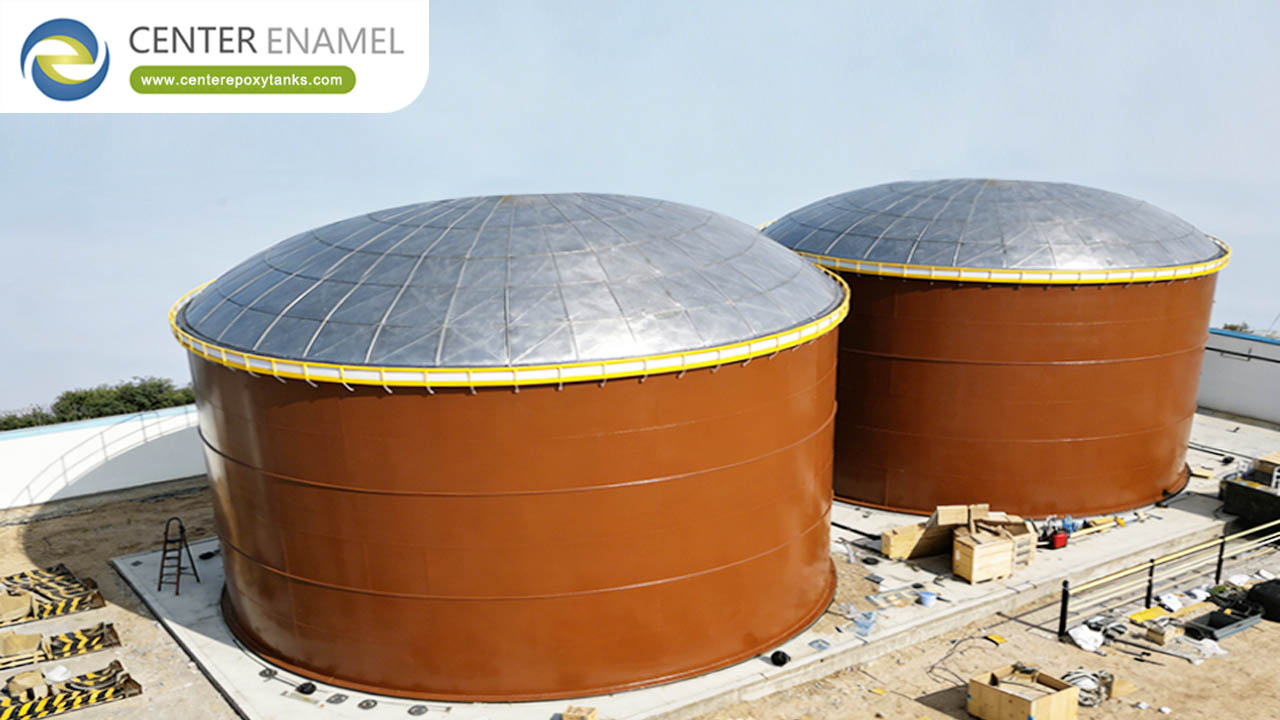
Aluminum Geodesic Dome Roofs: Advanced Storage Tank Covers
An aluminum geodesic dome roof is a clear-span, self-supporting structure built from high-strength, corrosion-resistant aluminum alloys. It serves as the industry-leading solution for wastewater treatment infrastructure, providing a permanent, non-corrosive barrier that eliminates the need for internal support columns. For biological wastewater storage, these domes are engineered to provide airtight containment for odor control and VOC emission management. For physical storage, they function as a protective shield against rainfall, sunlight (algae growth), and environmental contaminants. Due to aluminum’s natural passivating oxide layer, these domes require zero maintenance (painting or sandblasting) over a 50+ year service life, resulting in a lower Total Cost of Ownership (TCO) compared to steel or concrete roofing.
The Engineering Value Proposition
The "geodesic" design relies on triangular tessellation—a geometric configuration that distributes loads uniformly across the entire perimeter of the tank shell. This design is not merely aesthetic; it is the most structurally efficient method of covering large-diameter tanks without requiring central columns.
Why Aluminum?
In wastewater treatment, the headspace of a tank is a hostile environment. High concentrations of hydrogen sulfide (H2S), humidity, and chemical vapors rapidly degrade standard carbon steel, leading to costly corrosion. Aluminum is uniquely suited for this because:
Natural Passivation: When exposed to oxygen, aluminum forms a thin, transparent, and self-healing oxide layer that prevents further corrosion.
Strength-to-Weight Ratio: The lightweight structure reduces the dead load on the tank wall, allowing for easier retrofitting onto existing concrete or steel tanks without requiring foundation reinforcement.
Application-Specific Benefits
1. Biological Wastewater Storage (Anaerobic/Aerobic Digesters)
In biological processes, the primary goal is often gas management or odor mitigation.
Odor Containment: Aluminum domes can be equipped with high-performance gasketing and sealing systems that lock in foul odors and captured greenhouse gases.
Gas-Tight Engineering: When combined with specific membrane technologies, these domes help facilities adhere to stringent EPA and local air-quality regulations by preventing the escape of Volatile Organic Compounds (VOCs).
2. Physical Wastewater Storage (Equalization/Clarifiers)
For physical storage tanks, the dome serves as a barrier between the processed liquid and the external environment.
Rainfall Mitigation: Preventing rainwater from entering treatment tanks is crucial. Stormwater dilutes the wastewater, increasing the volume that must be treated, which raises operational costs. A dome roof keeps the tank contents at a consistent volume.
Sunlight & Algae Control: By blocking UV light, the dome prevents algae blooms in clarifiers or treated water tanks, reducing the need for chemical algaecides and improving the quality of the discharge water.
Technical Comparison: Dome Roofs vs. Traditional Alternatives
Feature | Aluminum Geodesic Dome | Fixed Steel Cone Roof | Concrete Roof |
Maintenance | Zero (No painting) | High (Periodic recoating) | Moderate (Cracking/leak repair) |
Internal Columns | None (Clear-span) | Often Required | Usually Required |
Corrosion Resistance | Excellent (Inherent) | Poor (Requires coatings) | Low (Rebar rust risk) |
Installation Time | Fast (Modular/Bolt-up) | Moderate (Welding) | Slow (Pouring/Curing) |
Service Life | 50+ Years | 20–30 Years | 30–50 Years |
Frequently Asked Questions (FAQ)
Q: Are aluminum domes suitable for high-wind or heavy-snow regions?
A: Yes. The geodesic geometry is inherently aerodynamic. The dome shape allows wind to flow over the structure rather than hitting a flat vertical face. Furthermore, because the triangular framework distributes snow loads evenly to the perimeter of the tank, they can be engineered to withstand extremely heavy snow loads exceeding standard building codes.
Q: Can I install a dome on a tank that currently has no roof?
A: Yes, this is a very common project scenario. Because aluminum is extremely lightweight, these domes can often be installed on top of existing tanks without requiring expensive structural reinforcement of the tank walls or foundation.
Q: Do these roofs leak?
A: Modern aluminum geodesic domes use a continuous batten and gasket system. The batten caps cover the seams between panels, and high-quality EPDM or silicone gaskets are used to ensure the structure is liquid-tight and weather-resistant.
Q: How do you handle inspection access?
A: Domes are typically equipped with factory-integrated manways, hatches, and monitoring ports. These are placed according to your facility's operational needs, allowing staff to access the tank interior for maintenance or sampling without removing the roof panels.
Are you currently evaluating a retrofit project for existing tanks, or is this for a new infrastructure build-out?


