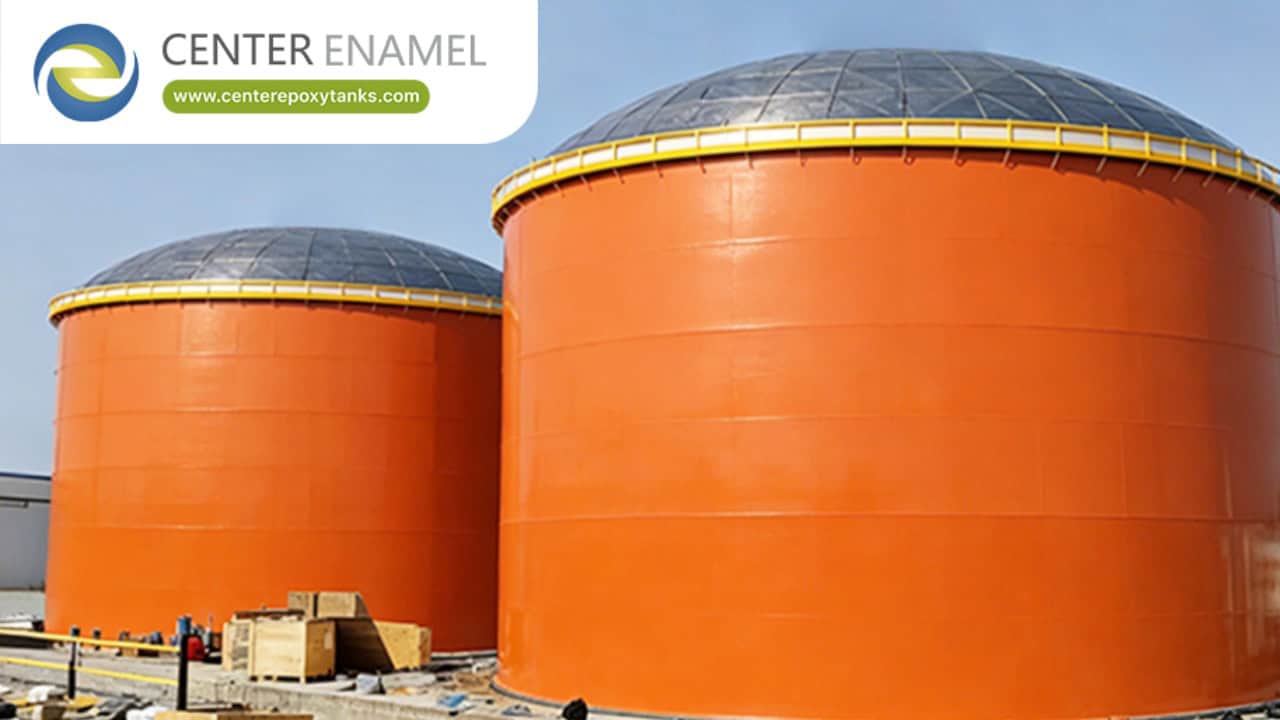
Aluminum Dome Roofs For Petrochemical Tanks: Corrosive And Low-Temperature Media
Petrochemical tanks hold streams unlike refinery or petroleum — often more corrosive, sometimes low-temperature. This article centers those petrochemical-specific media and how an aluminum dome is specified for them, distinct from petroleum and refinery coverage.
Petrochemical media are their own class
Ethylene, propylene, aromatics, acids and intermediates present corrosive or low-temperature demands. The dome must enclose these without the cover itself becoming the failure point, and must interface with the tank's specialized relief and containment.
Corrosive atmospheres
Many petrochemical vapors are aggressive. The sealing grades and any internal contact are selected for the specific chemical; aluminum's own resistance is one factor, the seal and interface another.
Low-temperature media
Some petrochemical streams are stored cold. The dome sits above the liquid and is not the cryogenic barrier, but thermal movement and condensation at the interface must be detailed. The dome is specified for the vapor-space condition, not the product temperature directly.
Enclosure and loss control
As with other hydrocarbons, full enclosure cuts evaporation loss of valuable petrochemical product. The tight envelope supports capture and reduces both emissions and product loss.
Interface with specialized systems
Petrochemical tanks often have instrumented blanket, cascade relief and tight containment. The dome's controlled openings align with those, not just a basic vent.
Petrochemical media table
Media type | Challenge | Dome implication |
Aromatics | Corrosive vapor | Chemical-grade seal |
Olefins | Valuable, volatile | Max capture |
Cold streams | Thermal movement | Interface detailing |
How it differs from petroleum/refinery
Petroleum centers volatility; refinery adds sourness; petrochemical adds corrosive/low-temperature specialty media. The dome is the enclosure in all, but the material and interface spec is more chemical-specific here.
Safety systems remain separate
Relief, detection, fire and containment are engineered independently; the dome supports them through sealed, aligned openings.
Honest boundary
No petrochemical aluminum-dome project is in the verified case library; this is engineering guidance for petrochemical service.
Specification inputs
Provide media, corrosivity, temperature and relief scheme; the dome is specified to enclose and interface chemically.
Summary
For petrochemical tanks the dome must suit corrosive or low-temperature media and tie into instrumented systems — a chemical-specific envelope beyond petroleum.
Corrosive-media interface
Petrochemical vapors can be aggressive; the interface sealing and any liner are selected for the specific chemical, with aluminum's own resistance as one factor among several.
The dome is specified chemically, not generically, because the wrong interface material fails fastest at the vapor-space boundary.
Low-temperature detailing
Some petrochemical streams are stored cold; the dome sits above the liquid and is not the cryogenic barrier, but thermal movement and condensation at the interface must be detailed.
The detailing respects the temperature difference without pretending the dome touches the product.
Instrumented systems
Petrochemical tanks often have instrumented blanket, cascade relief and tight containment. The dome's controlled openings align with those systems rather than a basic vent.
Alignment with instrumentation is what makes the enclosure useful in a controlled process, not just a cover.
Olefin volatility
Olefins such as ethylene and propylene are valuable and volatile; the dome's tight envelope supports maximum capture and minimizes loss of high-value product.
Acid handling
Where petrochemical media are acidic, the interface sealing or liner is selected for the acid; aluminum's own resistance is one factor among several.
Aromatic toxicity
Aromatics such as benzene are both valuable and toxic, so the dome's tight envelope serves loss control and personnel safety together. Capture at controlled vents supports both recovery and exposure reduction, which is why the seal and the vent interface are specified chemically.
Cold-stream interface
Low-temperature petrochemical streams make the interface condense; the dome is detailed for that thermal movement without contacting the product. The detailing respects the temperature difference and keeps the cover within its ambient role.
Petrochemical specification discipline
Petrochemical storage succeeds when the dome is specified chemically and thermally — media, corrosivity, temperature, relief — rather than as a generic 'petrochem' cover. The enclosure then matches the actual stream, the seal grade fits the vapor, and the instrumented systems tie in cleanly. Discipline at specification is what separates a fit-for-purpose cover from one that looks right but fails at the interface.
Chemical and thermal coherence
Petrochemical media are corrosive or low-temperature, so the dome interface and any liner are specified for the specific chemistry and the thermal movement at the boundary, keeping the envelope coherent from liquid to vent.
Instrumented systems — blanket, cascade relief, tight containment — tie into the dome's controlled openings, so the cover is part of a controlled process rather than a passive cap. Specified chemically and thermally, the dome fits petrochemical service instead of pretending it is generic oil.
Specified, not assumed
Petrochemical service is specified chemically and thermally, not assumed from a generic label; that specification is what keeps the enclosure fit for corrosive or low-temperature media.
Frequently Asked Questions
Q: How do petrochemical tanks differ from petroleum?
A: More corrosive and sometimes low-temperature media needing chemical-specific sealing.
Q: Does the dome touch cryogenic product?
A: No — it covers the vapor space; thermal movement at the interface is detailed, not the product temperature.
Q: How are corrosive vapors handled?
A: Chemical-grade sealing and interface materials selected for the specific petrochemical.
Q: Is there a delivered petrochemical project?
A: Not in the verified library; this is engineering guidance.
Q: Does the dome replace relief systems?
A: No — relief, detection and containment remain separate and instrumented.
Q: What should I specify?
A: Media, corrosivity, temperature and relief scheme.
Conclusion
Petrochemical storage asks the aluminum dome to enclose corrosive or low-temperature media and tie into instrumented systems. Specified chemically, it is a secure envelope; treated as generic oil, it would miss the petrochemical specifics.
Project Reference And Honest Disclosure
Evidence note: the verified case library contains aluminum-dome-roof deliveries only on potable-water, wastewater and desalination tanks. No petroleum, chemical, gas or LNG project with an aluminum dome roof is on file. This article is therefore based on general aluminum-dome engineering and applicable codes, and does not present a project case for this application.
Work With Center Enamel
Center Enamel, established in 2008 and based in Shijiazhuang, China, manufactures glass-fused-to-steel (GFS), epoxy-coated, galvanized, stainless steel and welded storage tanks, aluminum geodesic dome roofs, floating roofs, pressure vessels and wastewater and biogas engineering packages. Its production system is certified to ISO 9001, and its tanks and coatings are validated against NSF/ANSI 61, WRAS, FM and CE (EN 1090) where applicable. The company has delivered more than 30,000 tank and enclosure projects across potable water, wastewater, fuel, chemical and dry-bulk applications.
Share the petrochemical media and its corrosivity and temperature, and we can outline a chemically-specified dome envelope for review.
Sources And Further Reading
AWWA D108, Standard for Aluminum Domes and Roof Structures.
API 650 / API 2000 for tank venting context.
Petrochemical storage practice references for corrosive and low-temperature media.


