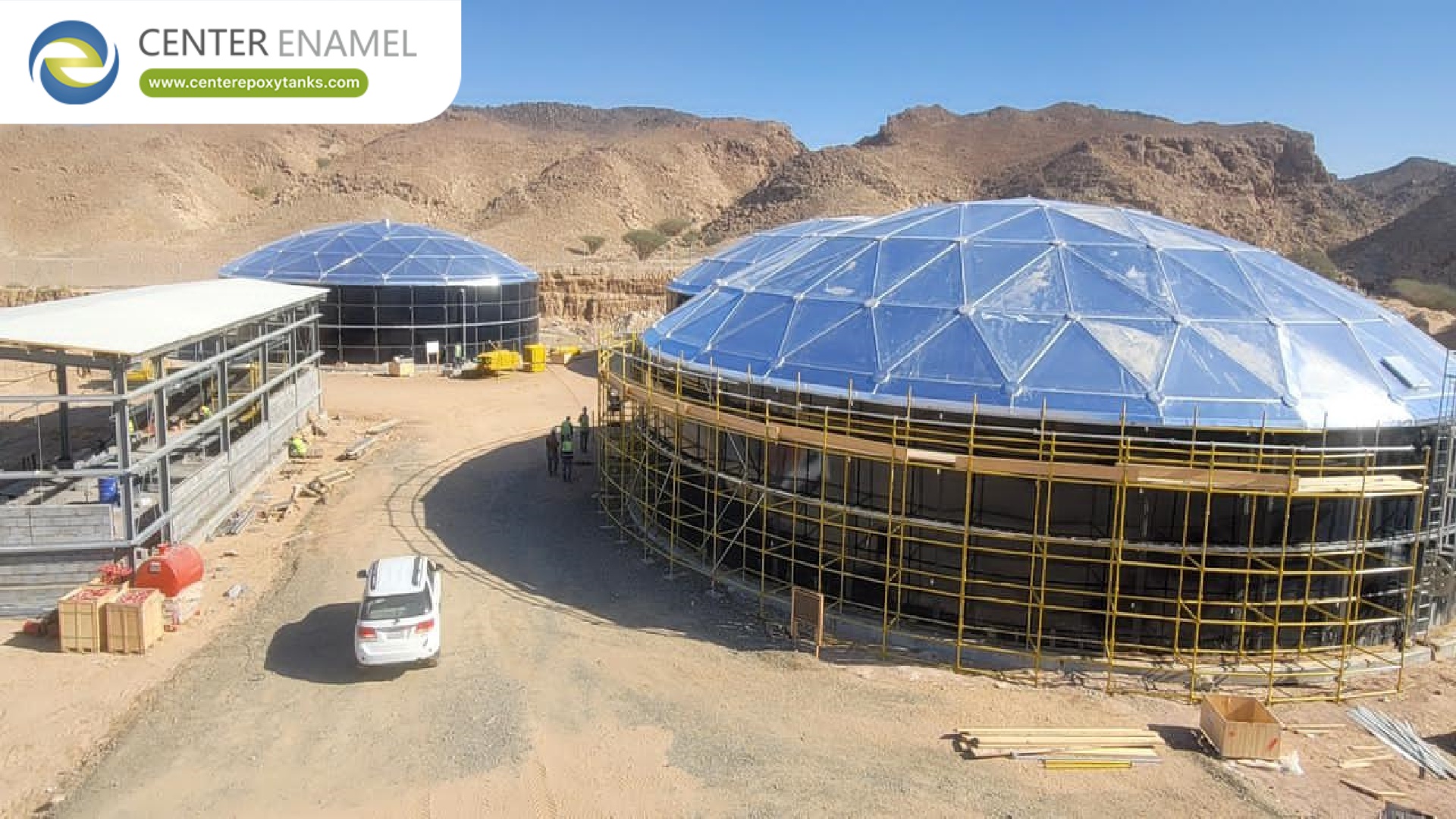
Aluminum Dome Roofs for Dairy Farm Water Tanks: Protecting Livestock Assets and Water Security
In modern dairy farming, water is not just a utility—it is a direct driver of milk production. A high-producing dairy cow requires up to 150 liters of clean, temperature-stabilized water every day. Securing large-scale agricultural reservoirs requires more than a reliable tank shell; the roof structure plays a critical role. Aluminum geodesic dome roofs have emerged as the industry's premium choice for covering dairy farm water tanks, outperforming traditional carbon steel or timber roofs by providing maintenance-free longevity, protection against contamination, and exceptional resistance to agricultural environments.
1. The Core Benefits of Aluminum Domes in Dairy Operations
Complete Light Exclusion & Algae Prevention
Algae bloom is a primary threat to livestock water supplies. Open or poorly covered water tanks allow sunlight to penetrate, sparking rapid photosynthesis and algal growth—some of which can produce deadly cyanotoxins harmful to dairy cattle. Aluminum dome roofs offer 100% light opacity. By entirely blocking solar radiation, they naturally suppress algae growth without requiring constant chemical dosing.
Resistance to Corrosive Agricultural Environments
Dairy farms are high-moisture, high-ammonia environments. Humid air combined with trace gases from nearby manure lagoons or feed areas can cause standard steel roofs to rust rapidly from the underside.
● Self-Passivating Layer: Aluminum naturally develops a thin, protective aluminum oxide layer when exposed to air.
● Zero Rust: This layer blocks oxygen and moisture from reaching the underlying metal, eliminating the threat of atmospheric corrosion or peeling paint over the tank's lifespan.
Lightweight Structural Integrity
Aluminum has a high strength-to-weight ratio. An aluminum geodesic dome weighs significantly less than a comparable flat steel cover, yet its triangular geometric architecture easily handles heavy external environmental loads.
Engineering Fact: The geometric triangulation of a geodesic dome allows it to distribute high localized pressures—such as heavy snow accumulation or strong wind gusts—uniformly across the tank rim, reducing the structural strain on the tank shell below.
2. Structural Comparison: Aluminum Domes vs. Alternative Covers
When equipping large agricultural water infrastructure, decision-makers typically choose between three roofing options:
Feature / Metric | Aluminum Geodesic Dome | Carbon Steel Cone Roof | Fiberglass (FRP) Flat Cover |
Lifespan | 30+ Years | 10–15 Years (Requires painting) | 15–20 Years (UV degradation) |
Maintenance | Near Zero | High (Repainting/Sandblasting) | Moderate (Gel coat cracking) |
Weight Impact | Ultra-lightweight | Extremely Heavy | Lightweight |
Corrosion Resistance | Excellent (Ammonia & Moisture) | Poor (Requires heavy coating) | Good (Chemical resistant) |
Installation Speed | Fast (No welding required) | Slow (Heavy cranes & hot work) | Moderate (Sectional panels) |
3. Financial and Operational ROI for Farmers
For large-scale agricultural enterprises running automated milking operations, minimizing downtime and maintenance costs is crucial. Investing in an aluminum dome cover delivers clear operational returns:
1. Zero Repainting Costs: Traditional steel roofs must be drained, sandblasted, and repainted every 7–10 years to combat rust. An aluminum dome eliminates this recurring operational expense entirely.
2. Simplified Retrofitting: Because they are lightweight and completely clear-span (meaning they require no internal support columns), aluminum domes can be easily engineered and bolted onto existing concrete, glass-fused-to-steel, or stainless steel tanks without structurally modifying the foundation.
3. Improved Water Temperature Regulation: The reflective surface of bare mill-finish aluminum bounces away solar heat during intense summer months. This keeps the stored livestock water cooler, encouraging higher water intake and steady milk production yields.
4. Frequently Asked Questions (FAQ)
Q: Are aluminum dome roofs safe for drinking/potable water for livestock?
A: Yes. The structural alloy and panel components used in premium aluminum domes are entirely inert and do not leach chemicals or heavy metals into the water supply, keeping the farm's water supply clean and uncompromised.
Q: Can these domes handle extreme winter snow loads on northern dairy farms?
A: Absolutely. Every aluminum geodesic dome is engineered using specialized structural software to comply with local building codes, adjusting the panel thickness and strut geometry to handle specific local snow packs and wind shear criteria.
Q: How is the dome roof sealed to prevent birds or pests from entering?
A: The perimeter of the dome is fitted with custom-extruded silicone or EPDM gaskets and flashing that tightly seals the gap between the tank shell and the roof rim. All ventilation hatches are wrapped in fine stainless steel mesh to block insects and birds while maintaining natural airflow.
Upgrading dairy farm water infrastructure with an aluminum dome roof is a proactive step toward long-term bio-security and asset protection. By blocking UV light, defeating ammonia-driven corrosion, and cutting out maintenance cycles, these engineered covers ensure your livestock always have access to clean, safe water.
Are you managing an expansion on your dairy facility and would like to review the engineering drawings showing how an aluminum dome integrates with your specific tank type?


