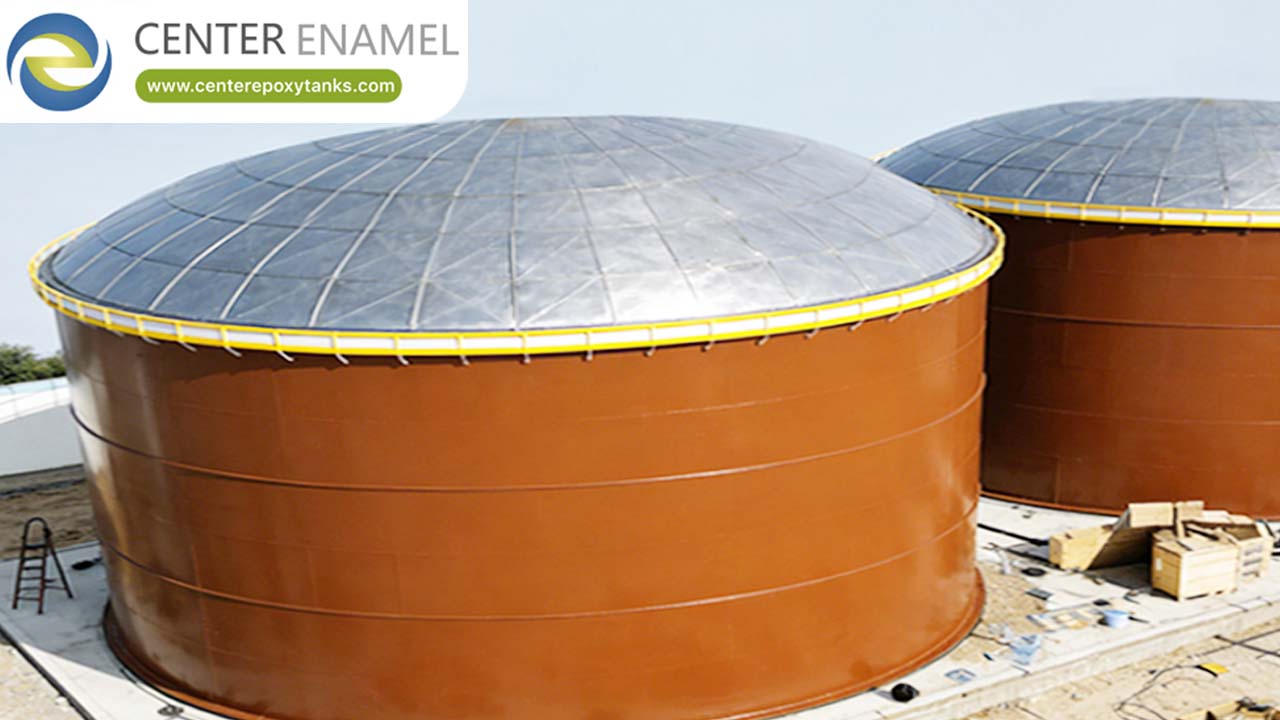
Aluminum Dome Covers for Effluent Storage Tanks: Engineering & Procurement Guide
Aluminum dome covers serve as the preferred structural solution for effluent and wastewater storage tanks, offering superior corrosion resistance and odor containment. Unlike traditional steel or concrete roofs, aluminum geodesic domes provide a clear-span, maintenance-free environment that meets the stringent chemical and atmospheric requirements of modern wastewater treatment facilities. These structures are engineered to comply with AWWA D108 standards, ensuring long-term structural integrity and environmental compliance.
1. What are the Engineering Standards for Effluent Tank Covers?
Aluminum dome covers for wastewater applications must comply with AWWA D108, the American Water Works Association standard specifically governing the design, fabrication, and installation of aluminum dome roofs. Compliance with this standard ensures the structure can withstand site-specific environmental loads, including:
● Snow and Wind Loads: Calculating the structural capacity for localized extreme weather events.
● Seismic Acceleration: Designing for the specific tectonic activity profile of the facility location.
● Dead/Live Loads: Managing the weight of the structure itself plus necessary maintenance equipment or instrumentation mounted on the roof.
Additional governing standards often include ASCE 7 for minimum design loads and the Aluminum Design Manual (ADM) for structural specifications.
2. Why Choose Aluminum Domes for Wastewater Effluent?
Aluminum dome covers are engineered for harsh, corrosive wastewater environments where traditional materials often fail. Key technical advantages include:
● Corrosion Resistance: Effluent environments often generate hydrogen sulfide ($H_2S$) and high humidity, which rapidly degrade carbon steel. High-strength aluminum alloys form a passive oxide layer that prevents oxidation, eliminating the need for periodic re-coating.
● Clear-Span Structural Integrity: The geodesic triangular lattice design allows the cover to be self-supporting. This eliminates the need for internal support columns, which are prone to corrosion and hinder the operation of tank-internal process equipment.
● Odor and Emission Control: The airtight, gasketed design effectively contains hazardous gases, preventing the release of odors into the surrounding community and facilitating air extraction for scrubbers.
● UV Protection: The opaque aluminum surface blocks sunlight, preventing algal growth within the storage tank, which is essential for maintaining effluent quality and downstream process stability.
3. Comparative Performance: Aluminum vs. Traditional Covers
Feature | Aluminum Geodesic Dome | Fixed Steel Roof | Concrete Roof |
Corrosion Resistance | High (Passive oxide layer) | Low (Requires recoating) | Moderate (Risk of rebar corrosion) |
Weight | Lightweight | Heavy | Very Heavy |
Support Structure | Clear-span (No columns) | Column-supported | Column-supported |
Maintenance | Minimal/None | High (Paint/Seal maintenance) | Moderate (Crack repair) |
Installation Time | Fast (Modular/Bolted) | Moderate (Field welding) | Slow (Cast-in-place) |
4. Key Considerations for Procurement and Engineering
To ensure long-term performance and regulatory adherence, engineering teams and procurement officers should evaluate dome cover specifications against the following criteria:
● Material Alloy Quality: Specify high-strength, marine-grade aluminum alloys (typically the 6000-series, such as 6061-T6 or 6005A-T6) to ensure optimal stress tolerance and corrosion resistance.
● Sealing Systems: Ensure the use of EPDM or similar high-durability, UV-resistant gaskets at all joints and tank-to-dome interfaces. Flush-batten designs are preferred to prevent water ponding and sealant degradation.
● Installation Methodology: Modern domes use a "jack-and-assemble" method, allowing for construction at ground level and lifting into place. This minimizes the need for internal scaffolding and drastically reduces onsite construction time and safety risks.
● Dielectric Isolation: If the dome is being retrofitted to a steel or concrete tank, verify that the manufacturer provides dielectric isolation kits (gaskets and washers) to prevent galvanic corrosion at the point of contact between dissimilar materials.
Aluminum dome covers provide a robust, long-term solution for effluent and wastewater storage by addressing the critical challenges of corrosion, odor control, and structural maintenance. By strictly adhering to AWWA D108 standards and prioritizing high-grade aluminum alloys, facilities can ensure decades of operational reliability while minimizing lifecycle costs and environmental impact.
Are you currently specifying tank covers for a new effluent project, and do you require assistance with site-specific wind or snow load calculations?


