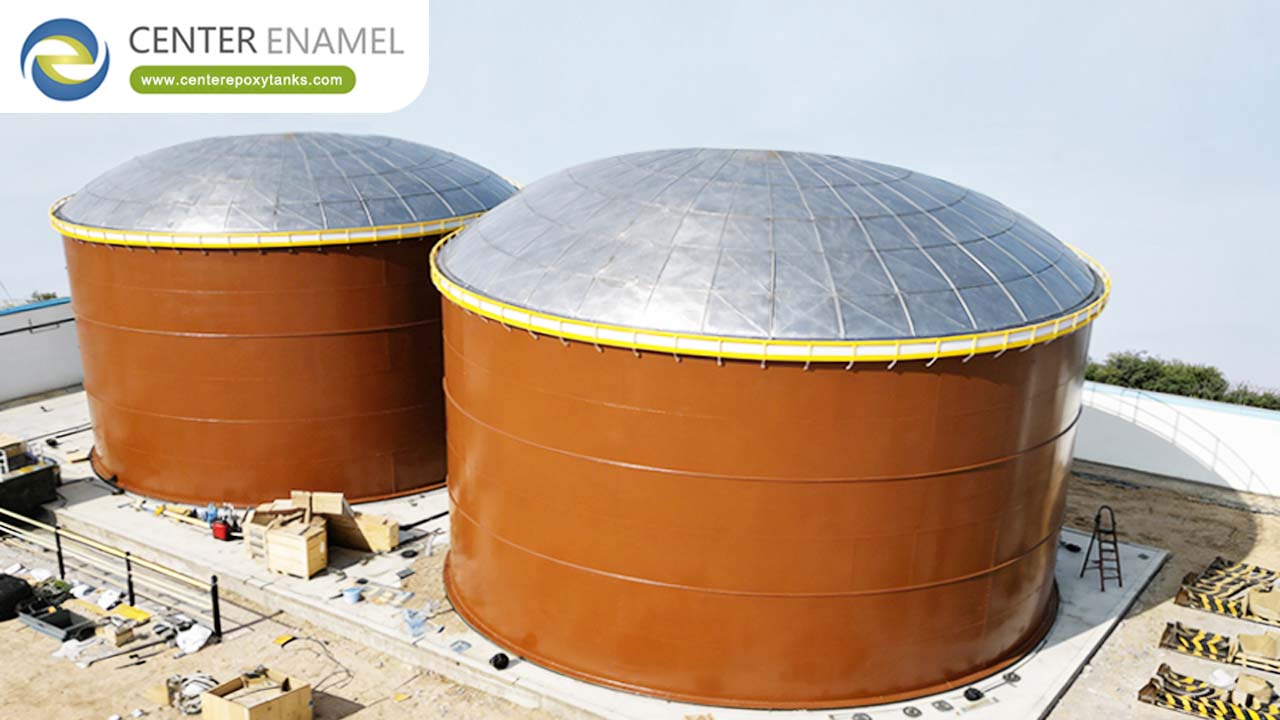
Aboveground Vertical Fuel Storage Tanks: China Procurement & Engineering Guide
For industrial and commercial operations, sourcing aboveground vertical fuel storage tanks from China offers a significant cost advantage, provided the procurement strategy prioritizes strict adherence to international standards—specifically API 650 for large field-erected tanks and UL 142 for shop-assembled smaller vessels. Whether storing diesel, gasoline, or biofuels, the integrity of your containment system depends entirely on welding precision, steel plate quality, and corrosion protection. This guide outlines the engineering specifications and vetting protocols required to ensure your Chinese-manufactured tanks meet global safety and environmental regulations.
1. Engineering Standards: API 650 vs. UL 142
Understanding the governing standard is the first step in the procurement process. Your choice depends on the scale and application of the tank.
● API 650 (Welded Tanks for Oil Storage): The "gold standard" for large-scale, field-erected vertical tanks. It covers material selection, design, fabrication, and hydrostatic testing.
● UL 142 (Steel Aboveground Tanks): Essential for smaller, shop-fabricated tanks (often under 50,000 gallons). These are frequently used for day-tank storage, generator fueling, and smaller distribution terminals.
Structural Design & The Shell Thickness Formula
For API 650 tanks, the shell thickness must be calculated to withstand the hydrostatic pressure of the fuel. A reputable manufacturer must provide calculations similar to this (simplified design thickness):
2. Procurement Vetting Matrix: Auditing Chinese Manufacturers
When sourcing from China, "lowest price" is often the most dangerous metric. Use this audit framework to evaluate potential fabrication partners.
Audit Category | Requirement | Why it Matters |
Certifications | ISO 9001, API 650/UL 142 stamps | Ensures the manufacturer follows repeatable, audited quality systems. |
NDT Capabilities | Radiographic (RT) & Ultrasonic (UT) | Verifies the integrity of every seam weld, preventing future environmental leaks. |
Surface Prep | Sa 2.5 Abrasive Blasting | Prevents premature coating failure in harsh exterior environments. |
Material MTRs | Mill Test Reports for all plates | Confirms the steel chemical and mechanical properties match project designs. |
Leak Testing | Hydrostatic & Vacuum Box Testing | The final "gate" to confirm the tank is physically sound before shipping. |
3. Key Technical Features for Compliance
Beyond the standard, ensure your RFP (Request for Proposal) includes these critical technical requirements:
1. Emergency Venting: Must be sized according to API 2000 or NFPA 30 to prevent tank rupture during fire exposure.
2. Double-Wall Construction: Highly recommended for fuel storage to provide integrated secondary containment and interstitial leak monitoring.
3. Coating Systems: Specify an internal lining compatible with the fuel type (e.g., ethanol-resistant for E10/E85) and an external UV-resistant coating for long-term weather protection.
4. Nozzle Reinforcement: All manways and fill ports must have properly calculated reinforcing pads to prevent shell distortion.
4. Frequently Asked Questions (FAQ)
Q: Why choose vertical over horizontal storage?
A: Vertical tanks occupy a smaller physical footprint, which is critical in congested industrial zones. They also facilitate gravity-based drainage and are generally easier to inspect for foundation settlement or shell corrosion.
Q: How do I verify a manufacturer's claims remotely?
A: Mandate a Third-Party Inspection (TPI). Hire an independent agency (like SGS or Bureau Veritas) to visit the factory during critical milestones: steel procurement, plate cutting, primary welding, and final hydro-testing. Never accept "self-inspection" as a substitute for critical infrastructure.
Q: Are Chinese tanks compatible with local fire codes (NFPA 30)?
A: Yes, if you specify compliance at the design phase. A professional Chinese tank manufacturer can engineer the vessel to meet NFPA 30, including specific requirements for dikes, setbacks, and fire suppression interfaces.
Are you in the initial budgeting and feasibility phase for a new storage facility, or are you preparing to issue a tender for a specific project requiring immediate technical specifications?


