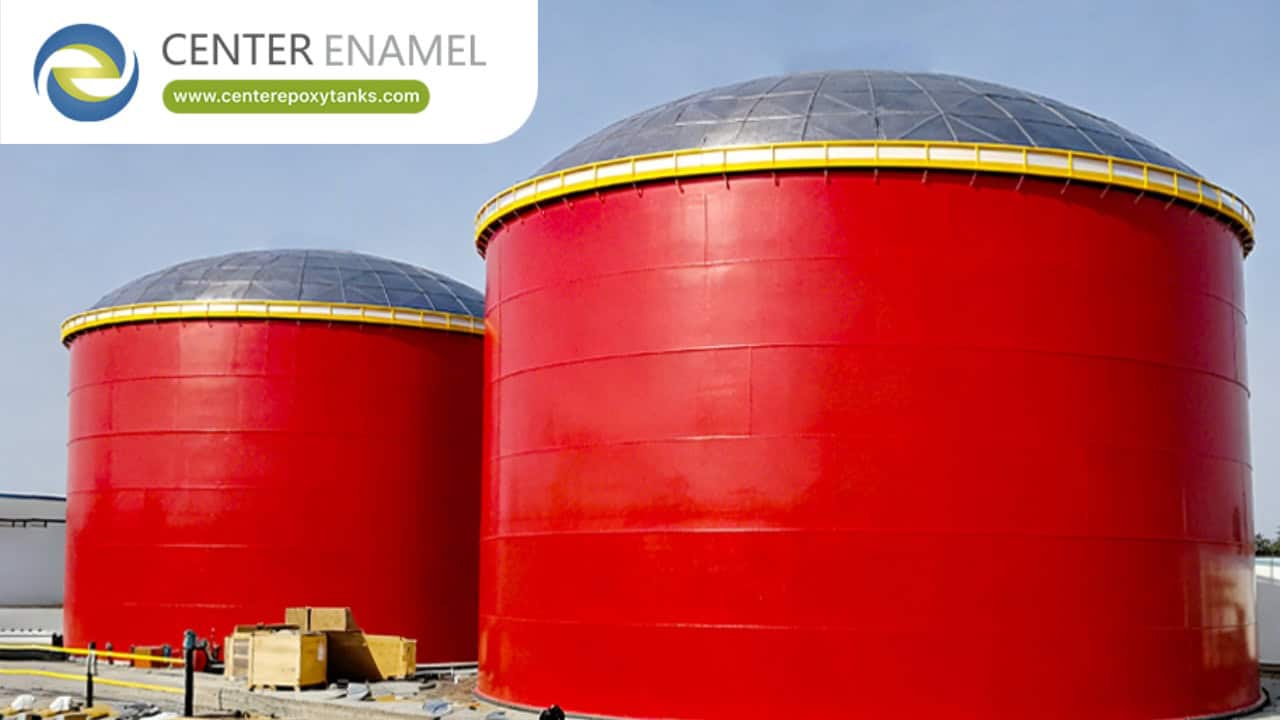
20,000 m3 Olive Oil Storage Tanks
A 20000m3 olive oil storage tank stores edible olive oil without picking up off-flavor, oxidation, or contamination - a food-grade problem, not just a containment one.
This guide covers material choice for olive oil, hygiene and oxygen control, and what a 20,000 m3 specification should include.
Edible oil tanks are food-contact vessels for vegetable, olive, palm, or other plant oils, built from stainless steel, epoxy-coated steel, or GFS, with smooth, cleanable surfaces and inert contact.
Why material matters
· Stainless 304/316L: inert, cleanable, the default for direct food contact.
· Epoxy-coated steel: food-grade lining isolates carbon steel at lower cost.
· GFS: inert glass surface, good for large bulk where weld lines are a concern.
Key Characteristics / Components / Types
Food-grade details
· Surface finish: polished or smooth-coated, no crevices for oil to rancidify.
· Oxygen control: blanket gas (N2) limits oxidation for long storage.
· Temperature: cool, stable storage preserves flavor and shelf life.
Applications / Use Cases
Olive oil tanks serve mills, refineries, bottlers, and bulk distributors. 20,000 m3 scale favors stainless or coated steel with tight hygiene.
· Olive oil needs low temperature and low oxygen to hold grade.
· Palm and tropical oils need controlled heat to stay fluid.
Technical Considerations
Beyond containment, the spec must address food safety: food contact compliance, clean-in-place access, and a lining or alloy that will not migrate into the oil.
· Warranty: verify coating or alloy coverage and what it excludes.
· Drainage: full-bottom slope and cleanout manway prevent stale heel.
Advantages and Limitations
· Advantages: inert contact preserves flavor; stainless and GFS give long, clean service.
· Limitations: stainless cost; coatings need inspection; oxygen control adds hardware.
Comparison / Selection Guide
Material | Food contact | Cost | Best for |
Stainless 304/316L | Direct | High | Premium, direct contact |
Epoxy-coated steel | Via lining | Medium | Large bulk, cost-sensitive |
GFS | Inert glass | Medium-High | Very large, clean surface |
Best Practices / How to Choose
· Specify the alloy or lining for direct food contact and local code.
· Add N2 blanketing and cool storage for long-hold oils.
· Confirm warranty scope before purchase.
A 20000m3 olive oil storage tank is a food system first and a tank second. Choose inert contact, control oxygen and temperature, and verify the warranty.
Frequently Asked Questions (FAQ)
What is a 20000m3 olive oil storage tank and when is it used?
A 20000m3 olive oil storage tank is a containment or cover solution for olive oil service, used where standard bulk tanks need material, roof, or coating specification to perform safely and meet code. Selection starts from the product and duty, not a default form.
Which material is best for olive oil?
Stainless 304/316L gives direct inert food contact; epoxy-coated steel isolates carbon steel at lower cost; GFS offers an inert glass surface for very large bulk. Pick by hygiene grade and budget.
How do I keep olive oil from going rancid?
Control oxygen with N2 blanketing, store cool and stable, and use smooth cleanable surfaces with full drainage. Verify the coating or alloy warranty covers food contact.
How long does a 20000m3 olive oil storage tank last?
Service life follows material and maintenance: welded carbon steel with a good coating and bottom program runs decades; stainless and GFS extend life further. Inspection and lining care decide the outcome.
What are the most common failures to avoid with 20000m3 olive oil storage tank?
The usual problems are wrong coating for the product, ignored rim seals on floating roofs, under-specified venting, and no bottom-inspection plan. Address these at specification, not after commissioning.


