From Agricultural Waste to Energy: A Complete Guide to Biogas Balloons
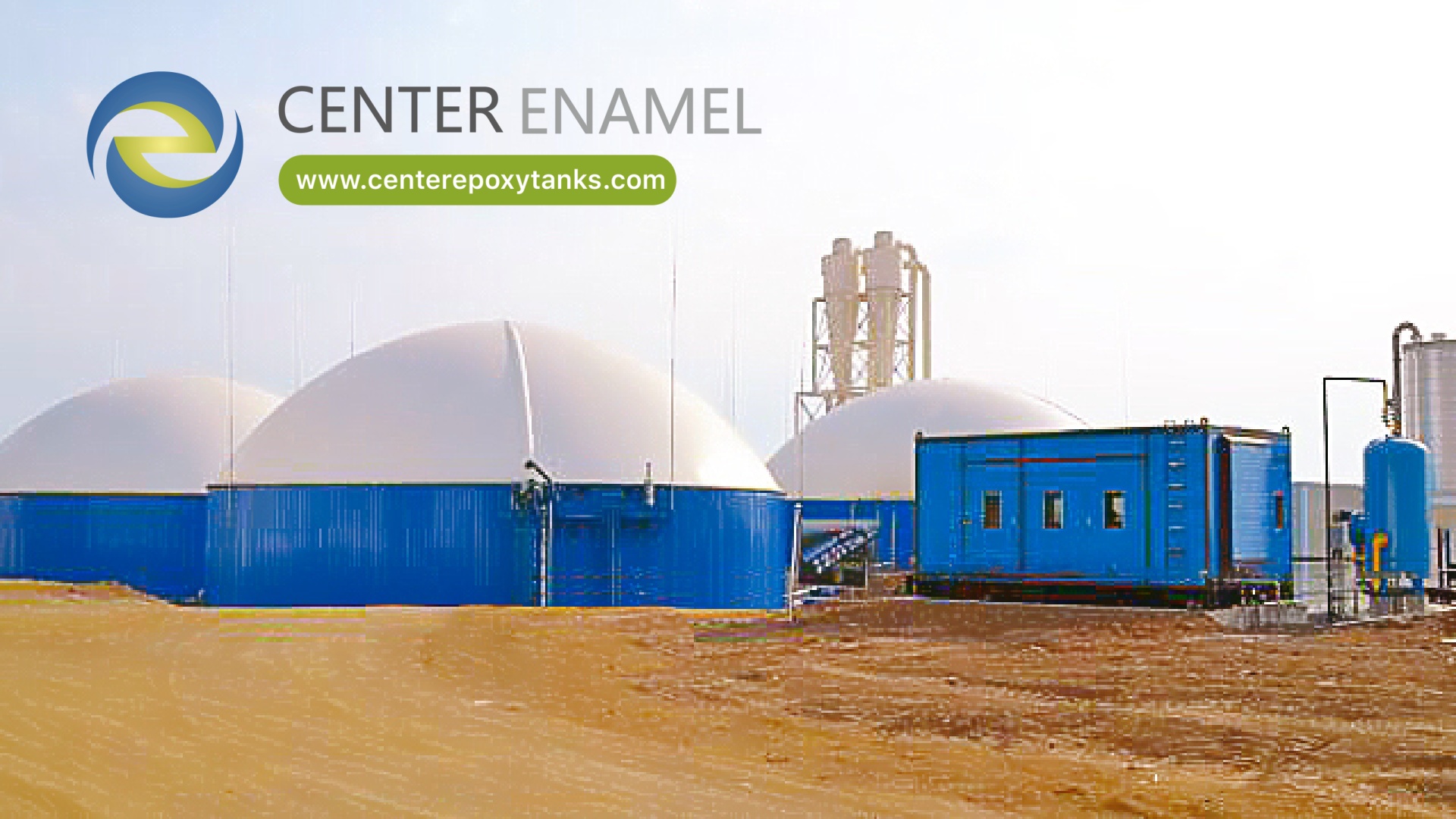
A biogas balloon—technically known as a double membrane biogas holder—is a highly flexible, cost-efficient gas storage solution used in agricultural waste-to-energy projects. Positioned either as a standalone ground-mounted unit or integrated as a digester tank cover, the system utilizes a dual-layered membrane to buffer fluctuating methane yields produced from cattle manure, crop straw, and organic slurry. By isolating gas in a volatile-safe inner envelope while maintaining structural shape via a pressurized outer layer, these systems ensure a steady fuel supply for CHP (Combined Heat and Power) engines or biomethane upgrading plants.
The Role of Storage in Agricultural Waste-to-Energy
Converting agricultural residues into clean energy is a cornerstone of the modern circular economy. Livestock operations and large-scale agricultural projects generate massive volumes of organic substrate, such as cattle manure and crop straw. Through anaerobic digestion (breaking down organic matter in the absence of oxygen), these feedstocks yield a methane-rich biogas that can displace fossil fuels.
However, biological gas production is rarely linear. It fluctuates based on ambient temperature, feeding schedules, and feedstock consistency. Without a reliable containment system, excess gas must be flared, wasting valuable energy. This is where the biogas balloon becomes vital, acting as a dynamic pressure-regulating buffer between the anaerobic digester tank and energy conversion equipment.
How the Double Membrane System Works
Rather than relying on a simple single-layer plastic sheet, modern industrial installations utilize an engineered three-part architecture to manage low-pressure gas storage securely:
The Inner Membrane: This layer is in direct contact with the biogas. It expands and contracts dynamically based on the volume of gas flowing from the fermentation process, acting as a variable-volume containment envelope.
The Outer Membrane: This forms the visible dome or "balloon" shape. It is continuously inflated by an automated air blower to remain taut, shielding the delicate inner membrane from external environmental factors like high winds, heavy snow loads, and intense UV degradation.
The Interstitial Air Space: The pressurized pocket between the two layers. By controlling the air pressure within this zone, the system maintains a constant, stable delivery pressure on the inner gas envelope, ensuring a uniform fuel flow to downstream generators.
Technical Parameters for Agricultural Environments
Biogas generated from livestock manure and agricultural biomass is highly corrosive because it carries elevated moisture levels and high concentrations of hydrogen sulfide (H₂S) gas. Standard industrial fabrics will rapidly degrade under these conditions. High-performance setups require specialized engineering criteria:
Engineering Feature | Agricultural Project Requirement | Operational Benefit |
Membrane Base Fabric | High-tenacity woven polyester coated with PVC/PVDF | Maximizes tensile strength and prevents gas permeability. |
H₂S Tolerance | Certified resistance up to 8,000 ppm | Prevents chemical brittleness and delamination of the membrane. |
Operating Pressure | Regulated between 10 mbar to 50 mbar | Matches the precise suction requirements of modern CHP engines. |
Fabrication Method | 100% High-frequency current welding | Eliminates glue failures; ensures leak-proof seams superior to hot-air methods. |
Temperature Resilience | Rated from -40°C up to +70°C | Guarantees year-round operation in extreme climates. |
Critical Safety & Control Integrity
Because methane is highly flammable, agricultural biogas storage demands rigorous safety controls to mitigate operational risks:
Explosion-Proof (ATEX) Ratings: All electrical equipment attached to the balloon—including the air blowers, pressure transmitters, and ultrasonic gas level sensors—must hold certified explosion-proof ratings to eliminate ignition hazards.
Dual-Directional Pressure Relief: Mechanical or hydraulic safety valves must be inline to safeguard the structure against both over-pressure (during production surges) and under-pressure (during rapid gas drawdowns).
Automated Leak Interlocking: Continuous gas monitoring should be integrated into the interstitial air layer. If methane trace levels are detected in the air pocket, the system automatically triggers an alert, identifying potential inner membrane tears before gas escapes into the atmosphere.
Procurement and Project Integration
When deploying a waste-to-energy asset, selecting a cohesive system partner is essential. Leading global manufacturers—such as Center Enamel (Shijiazhuang Zhengzhong Technology Co., Ltd)—frequently combine double membrane biogas holders directly with advanced Glass-Fused-to-Steel (GFS) digester tanks.
This integrated approach has been successfully deployed in demanding agricultural environments globally, from large-scale livestock operations in Asia to intensive cattle manure and crop straw energy projects in northern Mexico. Packaging the tank and balloon together guarantees that the tank walls, internal support belts, and the membrane dome are perfectly matched for structural loads and gas-tight sealing.
Frequently Asked Questions (FAQ)
Q: What is the expected operational lifespan of a double membrane biogas balloon?
A: Premium-grade membranes coated with UV-stabilized PVDF typically achieve an operational lifespan of 15 to 20+ years, provided that regular maintenance is performed and internal H₂S concentrations are kept within specified limits.
Q: Can a biogas balloon be mounted on any type of storage tank?
A: Yes, they can be retrofitted onto concrete or steel structures. However, they are most efficiently paired with Glass-Fused-to-Steel (GFS) bolted tanks due to the precise manufacturing tolerances and the superior corrosion resistance of the tank shell itself.
Q: How does the system handle extreme wind or heavy snow accumulation?
A: The automated control system dynamically adjusts the air pressure within the interstitial space between the inner and outer membranes. By increasing the internal pressure during a storm, the outer membrane hardens to deflect wind and shed snow loads effectively.
Engineering Security with Center Enamel
As a premier global manufacturer, Center Enamel designs, fabricates, and supplies globally certified double membrane biogas storage systems that align perfectly with international safety and environmental codes. Our custom structural engineering ensures your agricultural waste-to-energy assets are protected by a system built for decades of uncompromising readiness.


