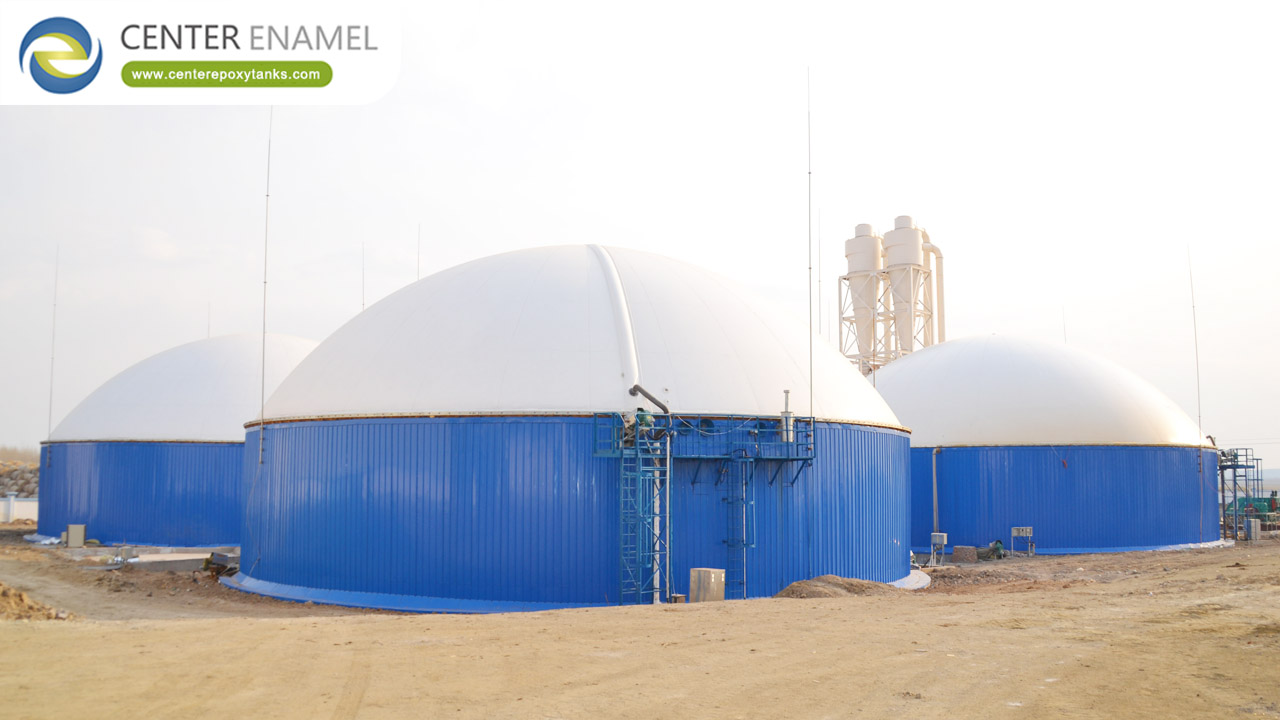
Cow Dung Biogas Digesters: Sustainable Waste-to-Energy Systems
A cow dung biogas digester is an engineered, oxygen-free containment system that converts cattle manure into a clean, combustible gas through a biological process called anaerobic digestion. Inside the sealed reactor, specialized microbial communities break down the organic matter contained in the manure slurry. This biological breakdown yields two primary end-products: biogas—typically composed of 50%–65% methane (CH4) and 35%–45% carbon dioxide (CO2)—and digestate, a nutrient-rich, stabilized organic substrate used as high-efficiency fertilizer. By capturing methane that would otherwise escape into the atmosphere from raw manure lagoons, these digesters transform an agricultural emissions liability into a dispatchable, circular energy asset.
The Biochemistry: How Manure Becomes Methane
The transformation of raw cow dung into biomethane is a complex, multi-stage biological chain reaction. Inside a climate-controlled digester, billions of anaerobic microbes process the volatile solids (VS) through four successive phases:
Hydrolysis: Complex organic polymers (cellulose, proteins, and lipids in the manure) are broken down by extracellular enzymes into soluble monomers like amino acids and glucose.
Acidogenesis: Acid-forming bacteria convert these monomers into volatile fatty acids (VFAs), alcohols, and lactic acids.
Acetogenesis: Acetogenic bacteria further refine the VFAs into acetic acid, carbon dioxide, and hydrogen.
Methanogenesis: In the final and most sensitive stage, strictly anaerobic methanogenic archaea convert the acetic acid and hydrogen into methane gas (CH4) and water.
Operational Baseline: To maintain microbial equilibrium, digesters are typically run under mesophilic conditions (35°C to 39°C), which provides excellent thermal stability and reliable gas output without the excessive heating energy required by high-temperature thermophilic systems.
Primary Industrial Digester Configurations
Depending on the scale of the cattle operation and the moisture content of the manure, modern farms utilize distinct reactor configurations:
Continuous Stirred Tank Reactors (CSTR): Ideal for large-scale dairy operations utilizing automated scrape systems. Mechanical agitators continuously stir the slurry, ensuring maximum contact between the incoming volatile solids and the active microbial mass.
Plug Flow Digesters: Designed for thick dairy manure (11%–14% total solids). The substrate moves through a long, insulated concrete trough as a continuous "plug" without active internal mixing mechanism, exiting at the far end as processed digestate.
Covered Anaerobic Lagoons: A cost-effective solution for flush-manure systems with high water content. A heavy-duty geotembrane cover is sealed over a deep earthen basin to capture raw biogas, though gas production rates fluctuate with seasonal ambient temperatures.
Performance Matrix: Feedstock Dynamics & Co-Digestion Yields
While pure cow dung provides excellent biological buffering capacity and steady operational stability, its high lignocellulose content limits raw gas yields. Modern facilities frequently employ co-digestion—blending cow manure with high-energy carbon sources—to exponentially increase methane generation.
Feedstock Profile | Total Solids (TS) % | Volatile Solids (VS) % of TS | Average Biogas Yield (m3/Metric Ton) | Methane (CH4) Concentration |
Pure Cattle Manure | 8% – 12% | 80% – 85% | 20 – 40 | 55% – 60% |
Manure + Poultry Litter | 15% – 20% | 75% – 80% | 50 – 80 | 50% – 55% |
Manure + Food Waste | 10% – 15% | 85% – 92% | 100 – 150 | 60% – 65% |
Manure + Fats, Oils, Greases (FOG) | 20% – 30% | 95% – 98% | 200 – 350 | 65% – 70% |
Maximizing the Asset: Monetization and Resource Recovery
The economic viability of a farm-scale anaerobic digester extends far beyond simple electricity generation:
Renewable Natural Gas (RNG) Upgrading: By passing the raw biogas through advanced membrane separation systems, water, hydrogen sulfide (H2S), and CO2 are stripped away. The resulting 98% pure biomethane can be injected directly into commercial gas pipelines or compressed for vehicle fuel, unlocking lucrative carbon credits via Low Carbon Fuel Standards (LCFS).
Nutrient Concentration & Phosphorus Recovery: Post-digestion processing allows farms to separate the liquid and solid digestate. Advanced systems use dissolved air flotation to capture up to 85% of fine solids and phosphorus, creating a stackable, nutrient-dense fertilizer that can be safely exported off-site.
Recycled Bedding Solids: The separated organic fibers are completely pathogen-free due to the sustained heat inside the reactor. These sterile fibers serve as highly absorbent, comfortable animal bedding, eliminating the farm's need to purchase external straw or wood shavings.
Frequently Asked Questions (FAQ)
Q: How much biogas can one cow produce per day via a digester?
A: On average, a single mature dairy cow produces roughly 50 to 60 kilograms of manure daily. When processed in a well-managed mesophilic digester, this daily waste volume yields approximately 1.5 to 2.5 cubic meters of raw biogas, capable of generating roughly 4 to 6 kWh of thermal or electrical energy.
Q: Why can't you run a biogas digester solely on poultry manure?
A: Poultry litter is exceptionally rich in nitrogen. When digested completely alone, it releases toxic amounts of free ammonia, which rapidly inhibits methanogenic microbes and crashes the system's pH. Co-digesting poultry waste with cow dung solves this, as the cow manure acts as a thick structural buffer that dilutes the nitrogen load while maintaining steady biological balance.
Q: What happens to the odor of the manure after it passes through a digester?
A: Odor is reduced dramatically. The volatile organic compounds and fatty acids that cause the pungent smell of raw manure are the exact components consumed by the bacteria to make methane. As a result, the outcoming digestate is virtually odorless and can be spread on agricultural fields without creating neighborhood odor nuisances.
Q: How does sand bedding affect cow dung biogas digesters?
A: Sand is an excellent bedding material for cow comfort, but it poses a severe mechanical challenge for digesters. Because sand is heavy and inorganic, it quickly settles to the bottom of pipes and reactor tanks, reducing digester volume and destroying mixing impellers. Dairy farms utilizing sand must implement mechanical sand-manure separation lanes before pumping the liquid slurry into the digester.


