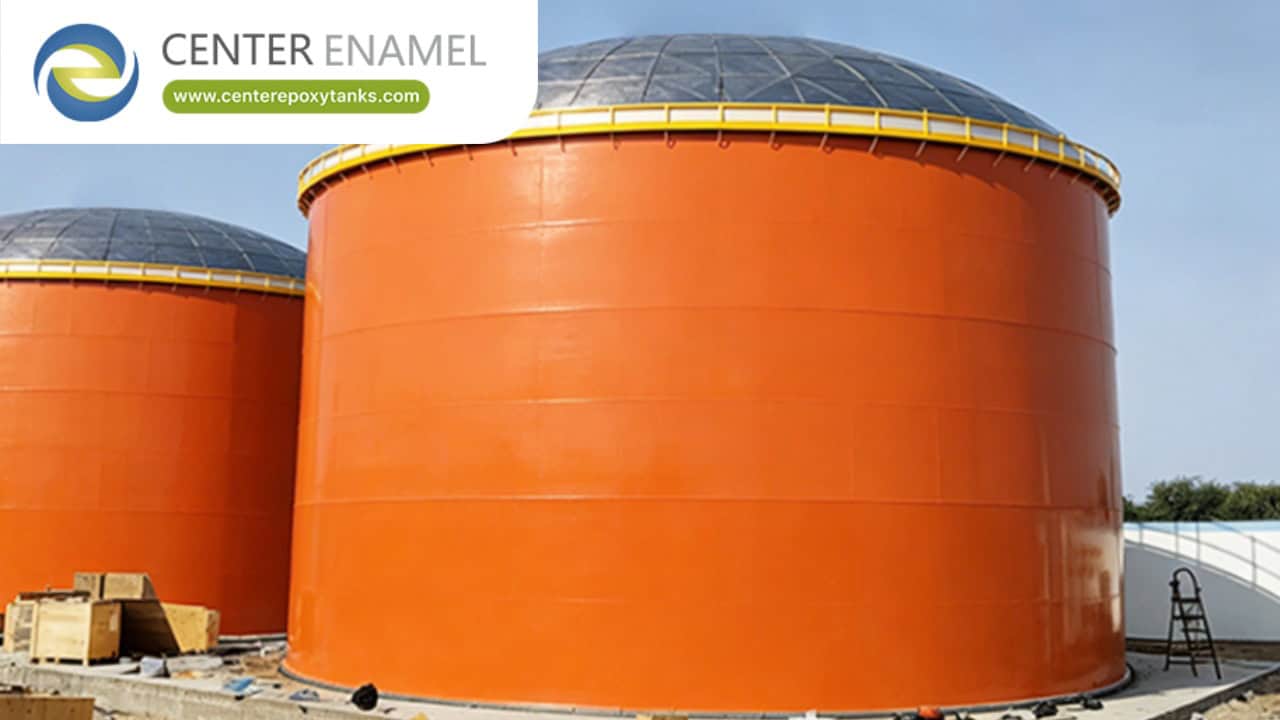
Welded Steel Tanks Designed for High-Precision Chemical Processing and Storage
In the complex ecosystem of modern chemical manufacturing, petrochemical refining, and specialty fluid processing, containment infrastructure must meet uncompromising performance standards. Storing corrosive acids, reactive solvents, intermediate process fluids, and high-purity chemical reagents requires tanks that offer absolute structural integrity, chemical compatibility, and zero-leakage reliability.
When facility operations demand precision tolerances and heavy-duty performance under volatile conditions, standard commercial containers are insufficient. Industry leaders rely on custom-engineered welded steel tanks for chemical processing and storage. Fabricated using advanced metallurgical techniques and fusion-welded construction, these monolithic vessels provide the ultimate defense against structural fatigue, chemical degradation, and environmental contamination.
Engineering and Fabrication Standards for Chemical Containment
High-precision chemical processing vessels are governed by strict international engineering codes to ensure they can withstand extreme internal pressures, thermal cycling, and aggressive chemical exposure:
API 650 and ASME Compliance: Depending on operating pressures and volumetric scale, chemical storage tanks are engineered in accordance with API 650 (for atmospheric and low-pressure service up to 2.5 psig) or ASME Section VIII (for pressurized chemical reactors and process vessels).
Monolithic Fusion-Welded Integrity: Unlike mechanical or bolted assemblies that rely on gaskets, welded steel tanks utilize continuous full-penetration welding executed by certified specialists. This eliminates potential leak pathways and ensures uniform structural strength across the entire vessel.
Rigorous Non-Destructive Testing (NDT): To verify zero defects in high-stress zones, critical weld seams undergo comprehensive NDT verification—including Radiographic Testing (RT), Ultrasonic Testing (UT), Magnetic Particle Inspection (MT), and vacuum box testing on bottom floor plates.
Specialized Metallurgical Selection and Linings: Depending on the specific chemical inventory, tanks are fabricated from high-grade austenitic stainless steels (such as 304L or 316L) or specialized carbon steel plates paired with high-performance phenolic epoxy, fluoropolymer (PTFE/ETFE), or rubber linings to prevent wall corrosion and product contamination.
Technical Performance Matrix: Chemical Storage Vessel Options
Technical Parameter | Welded Stainless / Carbon Steel Process Tanks | Bolted Modular Industrial Tanks | Fiberglass-Reinforced Plastic (FRP) Tanks |
Structural Yield Strength & Pressure Tolerance | Superior; handles high hydrostatic loads, vacuum conditions, and internal pressure surges safely | Moderate; limited by mechanical fastener stress limits and joint shear thresholds | Lower structural rigidity; vulnerable to mechanical impact, cyclic fatigue, and thermal warping |
Chemical Compatibility & Inertness | Highly versatile; paired with specialized alloy grades or heavy-duty chemical linings | Dependent on internal membrane integrity and gasket chemical resistance | Prone to chemical permeation, UV degradation, and resin softening over prolonged acid exposure |
Joint Efficiency & Leak Prevention | Monolithic fusion-welded seams achieve 100% joint efficiency ($E = 1.0$) with zero leakage risk | Relies on elastomer seals and bolt torque; periodic maintenance required in aggressive chemical service | Seamless molded body, but susceptible to micro-cracking at nozzle attachment points |
Design Lifespan & Thermal Stability | Long-term durability (30+ years); withstands extreme ambient and elevated process temperatures | Moderate lifespan; gasket and hardware replacement cycles required in harsh chemical environments | Shorter service life in high-temperature or aggressive solvent applications |
Frequently Asked Questions (FAQ)
Q: What engineering codes govern welded steel tanks used in chemical processing?
A: Welded steel chemical tanks are primarily designed and fabricated under API 650 for atmospheric and low-pressure storage, or ASME Section VIII for pressurized chemical processing vessels, ensuring strict compliance with material selection, wall thickness calculations, and safety margins.
Q: How do manufacturers ensure the weld quality of high-precision chemical tanks?
A: Weld quality is strictly controlled through approved Welding Procedure Specifications (WPS) and certified welders qualified under ASME Section IX. Completed welds undergo rigorous Non-Destructive Testing (NDT), including radiographic, ultrasonic, and liquid penetrant examinations to detect any internal or surface flaws.
Q: Can carbon steel welded tanks be used for corrosive chemical storage?
A: Yes, provided they are outfitted with engineered internal protective linings. While stainless steel is frequently selected for its inherent corrosion resistance, high-grade carbon steel tanks can safely store corrosive chemicals when coated with specialized phenolic epoxies, rubber, or fluoropolymer linings tailored to the specific chemical matrix.
Q: What is the advantage of a welded tank over a bolted tank in chemical plants?
A: Welded tanks provide a monolithic, fusion-bonded structure with zero gasket degradation points. This makes them ideal for high-purity chemical processing, volatile solvent containment, and high-pressure operations where absolute containment reliability is mandatory.


