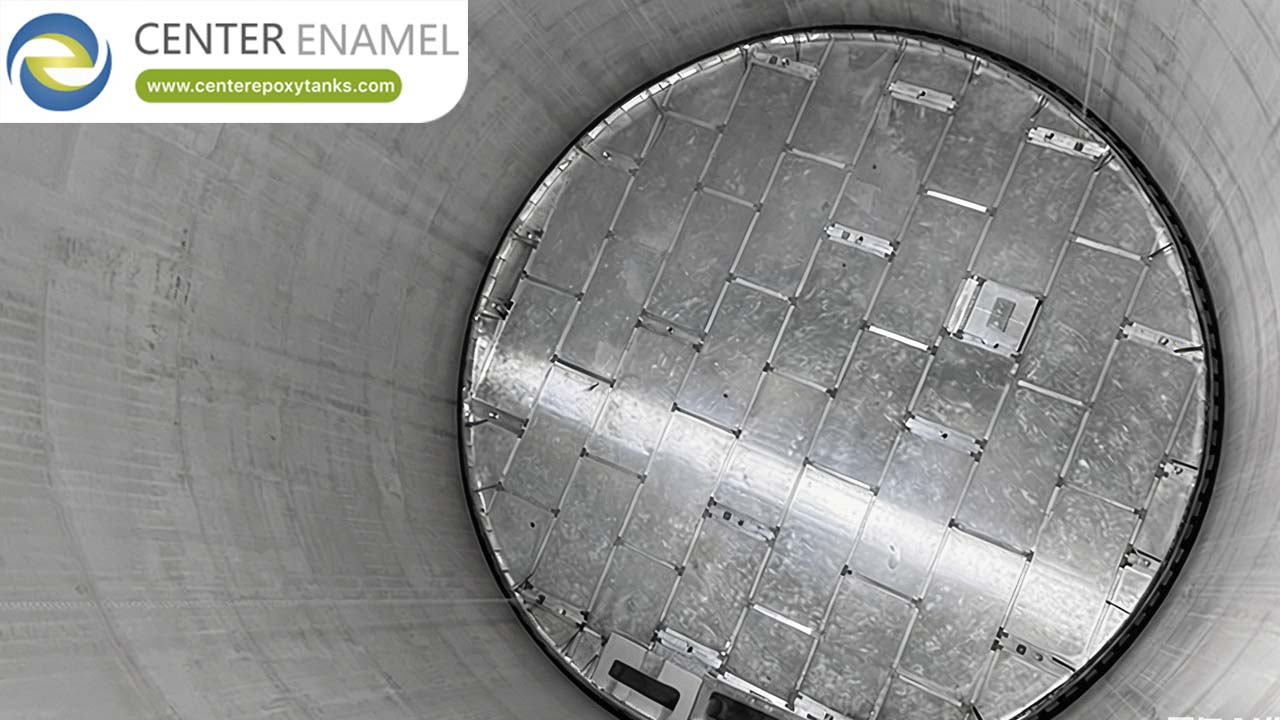
Custom Floating Roof Systems with Corrosion-Resistant Materials for Oil Storage
In the global petroleum refining, crude oil extraction, and bulk fuel distribution sectors, aboveground storage tanks handle massive volumes of volatile and chemically aggressive hydrocarbons. Storing sour crude oil, refined distillates, and blended petrochemicals exposes internal tank components to severe corrosive agents, including hydrogen sulfide (H2S), saline water bottoms, dissolved oxygen, and organic acids. Traditional carbon steel floating roofs are notoriously vulnerable to vapor-space corrosion, pitting, and structural thinning over time.
To prevent catastrophic containment failures, expensive environmental remediation, and premature asset degradation, modern energy facilities increasingly rely on custom floating roof systems engineered with corrosion-resistant materials.
The Corrosion Challenge in Hydrocarbon Vapor Spaces
The vapor space directly above stored crude oil or refined fuel is one of the most chemically aggressive environments in an industrial plant. When ambient temperatures fluctuate, moisture and sulfur compounds condense onto internal roof surfaces, initiating rapid electrochemical degradation:
Pitting and Wall Thinning: Unprotected carbon steel decks suffer from localized pitting, which compromises structural buoyancy and threatens deck integrity.
Galvanic Reactions: Improperly matched metals in fastening hardware or peripheral rolling ladders can trigger severe galvanic corrosion, accelerating metal loss at critical structural joints.
Advanced Corrosion-Resistant Materials for Floating Roofs
To achieve a multi-decade service life without continuous repainting, custom floating roofs utilize specialized, highly inert material combinations:
High-Strength Aluminum Alloys (6061-T6 & 3003/5086 Series): Aluminum naturally forms a passive, self-healing oxide layer that provides complete immunity to atmospheric oxidation and sulfur-rich vapor attack. Structural frames use 6061-T6 for maximum tensile strength, while deck sheets utilize 3003 or 5086 series alloys for superior chemical compatibility.
Type 316 Stainless Steel Fasteners and Trim: All bolts, nuts, cables, and structural connection hardware are fabricated exclusively from Type 316 Stainless Steel, providing exceptional resistance to chloride stress corrosion cracking and acidic condensate.
Fluoropolymer and Specialized Polymeric Seal Fabrics: Perimeter rim seals utilize advanced elastomer combinations (such as PTFE-coated fabrics, polyurethane, or Viton-backed membranes) designed to resist chemical swelling and solvent degradation when submerged in or exposed to aromatic hydrocarbons.
Technical Performance Matrix: Floating Roof Material Technologies
Material System | Chemical & Sulfur Resistance | Galvanic Compatibility | Structural Weight Ratio | Primary Hydrocarbon Application |
Aluminum Honeycomb / Pontoon Decks | Superior; natural oxide layer resists H2S and moisture vapor corrosion | High when isolated with dielectric gaskets from carbon steel shells | Extremely lightweight; high buoyancy margin | Refined fuels, aviation kerosene, and sour crude vapor spaces |
Type 316 Stainless Steel Components | Outstanding; highly resistant to pitting and acidic chloride attack | Excellent against dissimilar metal corrosion | Moderate weight; excellent structural rigidity | Critical structural fasteners, guide poles, and rolling ladder assemblies |
Epoxy-Coated Carbon Steel Decks | Moderate; high initial resistance, but vulnerable to scratching and edge degradation | Requires rigorous holiday testing and careful coating maintenance | Heavy deadweight requiring high pontoon buoyancy | General industrial wastewater and heavy residual fuel storage |
Unlined Carbon Steel Decks | Low; highly vulnerable to severe internal pitting and wall thinning | Prone to accelerated corrosion at welded joints and fastener interfaces | Heavy deadweight | Non-corrosive heavy oils or temporary low-grade storage |
Custom Engineering and API 650 Annex H Compliance
Custom-designed floating roofs are not "one-size-fits-all." To ensure absolute safety and regulatory compliance, top-tier manufacturers design systems strictly in accordance with API 650 Annex H specifications. Utilizing advanced Finite Element Analysis (FEA), engineers custom-configure deck geometry, pontoon compartmentalization, and drainage systems to match the exact diameter, shell out-of-roundness tolerances, and seismic profile of the host storage tank.
Frequently Asked Questions (FAQ)
Q: Why are corrosion-resistant materials critical for oil storage floating roofs?
A: Oil storage vapor spaces contain corrosive agents like hydrogen sulfide (H2S), moisture, and organic acids that rapidly degrade standard carbon steel. Corrosion-resistant materials like marine-grade aluminum and stainless steel prevent pitting, wall thinning, and structural failure.
Q: How do aluminum floating roofs prevent galvanic corrosion when installed inside carbon steel tanks?
A: Manufacturers prevent galvanic corrosion by inserting dielectric isolation gaskets, non-conductive washers, and specialized barrier tapes between dissimilar metals (such as aluminum deck components and steel tank walls), neutralizing electrical current transfer.
Q: What role do rim seals play in corrosion protection and VOC emission control?
A: Custom rim seals (such as mechanical shoe seals with secondary wiper barriers) close the gap between the floating deck and the tank shell. They prevent fugitive vapor emissions while protecting the annular rim space from rainwater ingress and condensation buildup.
Q: Can custom corrosion-resistant floating roofs be retrofitted into existing oil tanks?
A: Yes. Modular aluminum and stainless steel floating roofs are specifically engineered for easy passage through standard shell manways, allowing them to be rapidly assembled on-site inside existing fixed-roof tanks to upgrade emission and corrosion compliance.


