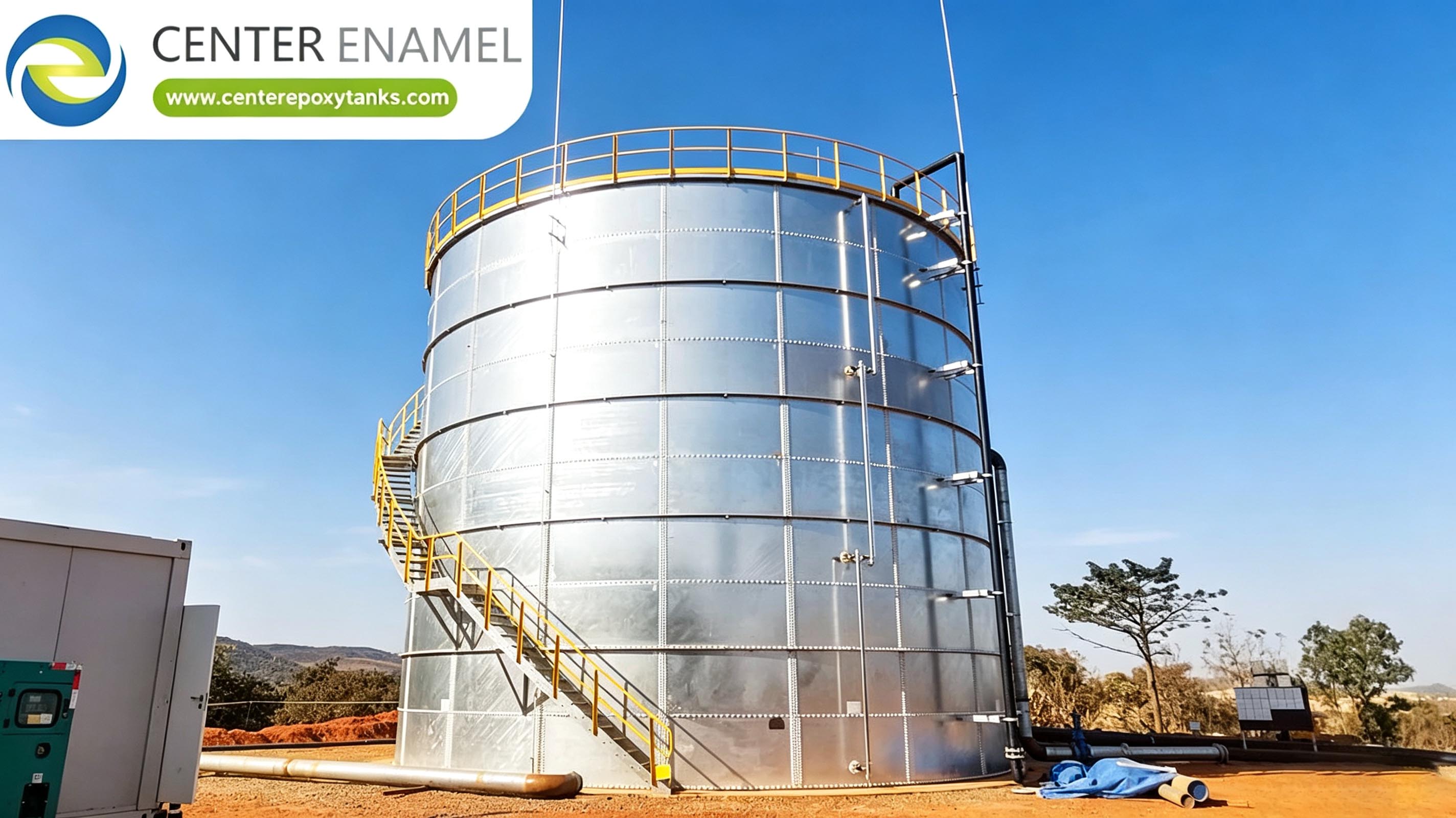
What is a Livestock Drinking Water Tank? Design, Functionality, and Agricultural Importance
In modern livestock production, dairy ranching, and intensive farming, maintaining a dependable, clean, and continuous water supply is vital to animal health, growth rates, and overall farm productivity. Whether supplying fresh water to cattle herds, horses, sheep, or swine across large pastures or enclosed feedlots, agricultural operations require robust containment infrastructure.
A livestock drinking water tank (commonly referred to as a stock tank, watering trough, or livestock drinker) is an engineered agricultural storage basin designed to hold and dispense clean drinking water to farm animals. Unlike residential water vessels, these tanks are built specifically to withstand aggressive outdoor weathering, intense ultraviolet (UV) solar radiation, freezing temperatures, and heavy physical impact from livestock.
Core Engineering Features and Material Considerations
Designing an effective livestock watering system requires balancing fluid capacity, structural strength, and animal safety:
Impact and Structural Resilience: Livestock frequently lean against, push, or butt water troughs. Tanks must be fabricated from high-tensile materials—such as hot-dip galvanized steel or heavy-duty polymers—that resist denting, cracking, and structural failure under animal pressure.
Corrosion and UV Protection: Because water tanks remain outdoors year-round, materials must resist atmospheric oxidation and solar degradation. Galvanized steel tanks feature thick zinc coatings that prevent rust, while polyethylene tanks incorporate advanced UV inhibitors to prevent polymer embrittlement.
Hygienic Design and Algae Prevention: Stagnant water exposed to sunlight can foster algal blooms and bacterial growth. Modern tanks are designed with smooth interior surfaces, drain plugs for easy cleaning, and options for light-tight or covered configurations to preserve water purity.
Data Table: Comprehensive Comparison of Livestock Water Tank Options
Technical Parameter | Galvanized Steel Water Tanks | Polyethylene Troughs | Cast-in-Place Concrete Basins |
Structural Durability | High-tensile steel resistant to livestock impact and cracking | Moderate; flexible polymer, but can crack under extreme cold or heavy trauma | Rigid mass resistant to animal impact, but vulnerable to ground-freeze cracking |
Corrosion & Weather Defense | Heavy hot-dip zinc coating offering superior sacrificial rust protection | Inert polymer, but vulnerable to UV degradation and fading over years of sun exposure | Porous concrete susceptible to micro-cracking, water seepage, and algae buildup |
Installation & Portability | Modular panels or lightweight units that are easy to transport and install | Lightweight single-piece molding; highly portable across pastures | Permanent civil construction; impossible to relocate once poured |
Expected Service Life | 25 to 40+ years with minimal maintenance | 10 to 15 years before material embrittlement | 20 to 30 years under favorable soil and water conditions |
Frequently Asked Questions (FAQ)
Q: What is the primary purpose of a livestock drinking water tank?
A: It provides a reliable, accessible, and clean source of drinking water for farm animals like cattle, horses, and sheep, supporting optimal hydration, digestion, and livestock growth.
Q: Why are galvanized steel tanks popular for livestock watering?
A: Galvanized steel tanks offer exceptional structural strength, resistance to animal impact, long service lives, and superior durability against outdoor weathering compared to plastic alternatives.
Q: How do farmers prevent water from freezing in livestock tanks during winter?
A: Farmers often utilize insulated tank jackets, submersed stock tank de-icers, geothermal water supply lines, or automated heating elements designed specifically for agricultural water troughs.
Q: How often should livestock water tanks be cleaned?
A: Tanks should ideally be drained, scrubbed, and refilled every one to two weeks—or whenever algae, silt, and organic debris accumulate—to ensure the drinking water remains fresh and safe for the animals.


