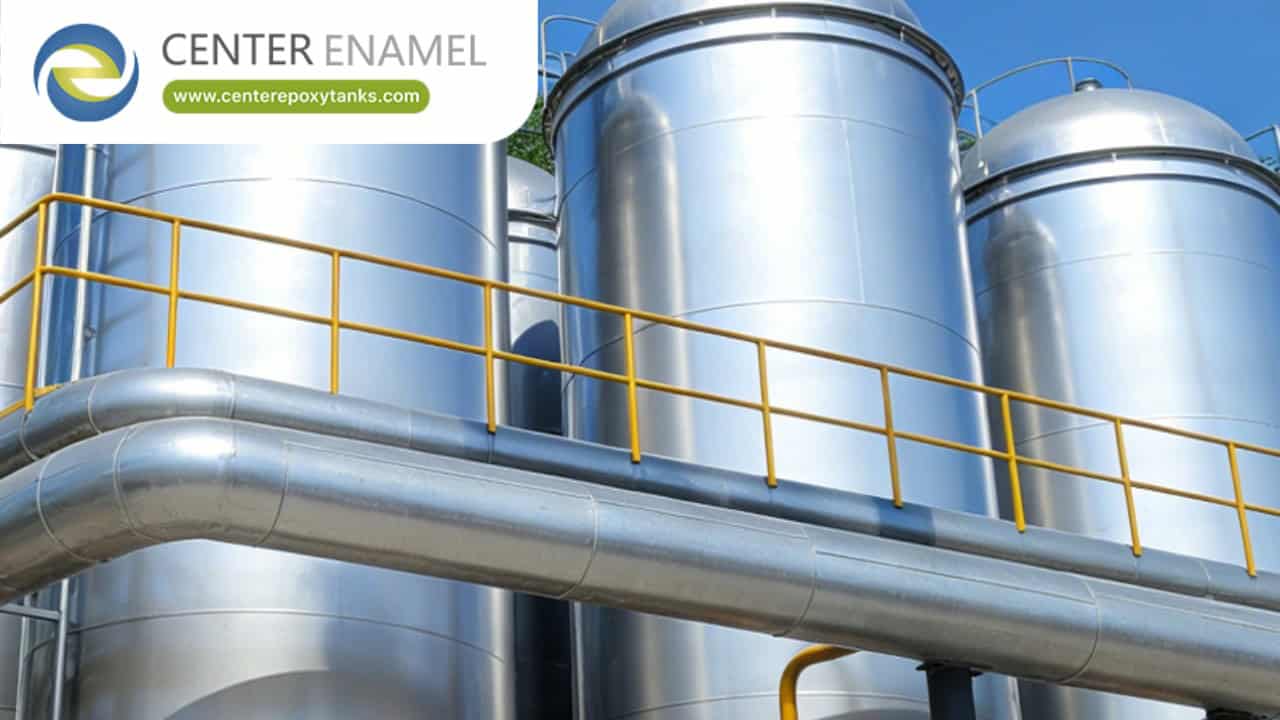
Precision-Engineered Stainless Steel Fermentation Tanks: A Guide for Industrial Excellence
In the high-stakes environment of fermentation—whether for craft brewing, dairy processing, or advanced biotechnology—the tank is not just a container; it is the heart of your production process. As a trusted China-based welded stainless steel fermentation tank manufacturer, we deliver precision-fabricated vessels designed to ensure sterility, consistency, and structural integrity. By combining high-grade materials (304/316L) with advanced TIG welding and surface passivation, we provide a "fit-for-purpose" solution that minimizes contamination risks and optimizes your microbial yields.
1. Why Welded Stainless Steel is the Gold Standard
The transition from modular or bolted tanks to fully welded stainless steel vessels is driven by the need for absolute sanitary control. For industrial fermenters, the benefits are clear:
Sanitary Continuity: Welded construction creates a monolithic interior surface. By eliminating mechanical joints, crevices, and gaskets where bacteria can harbor, we ensure that your Clean-in-Place (CIP) and Sterilization-in-Place (SIP) protocols are 100% effective.
Superior Material Inertness: We utilize food-grade and pharmaceutical-grade stainless steel (304 or 316L). These materials are biologically inert, ensuring that your product—whether it be beer, enzymes, or pharmaceutical intermediates—retains its intended flavor profile and chemical purity without metallic leaching.
High-Pressure Resilience: Fermentation often involves pressure build-ups (e.g., carbonation or head pressure). Our precision-welded seams and dished-head designs are engineered to handle these stresses safely, complying with pressure vessel standards like ASME VIII and GB 150.
Thermal Efficiency: Our tanks feature sophisticated dimpled or channel jackets for glycol cooling or steam heating. These are welded directly to the shell, ensuring uniform heat transfer and precise temperature control—a vital requirement for sensitive microbial activity.
2. Manufacturing Excellence: Precision from Start to Finish
Our manufacturing process is designed to exceed international expectations for finish, durability, and sanitary safety.
Advanced Welding Techniques: We utilize automated TIG (Tungsten Inert Gas) welding, which provides the most consistent and high-quality seams. Every weld is inspected for penetration and structural soundness.
Surface Finishing (Ra < 0.4µm): Internal surfaces are mechanically or electrolytically polished to a mirror finish. This ultra-smooth texture reduces surface tension, facilitating easier drainage and preventing the adhesion of solids or biofilm.
Quality Certification: We ensure compliance with ASME Section VIII, EN 13445, and GB 150 standards. Every tank undergoes rigorous pressure testing, dye-penetrant weld inspections, and passivation to restore the passive chromium-oxide layer, guaranteeing maximum corrosion resistance.
3. Comparison: Fermentation Tank Construction
Feature | Welded Stainless Steel | Bolted/Modular Tanks | Plastic/HDPE |
Hygienic Profile | Exceptional (Seamless) | Moderate (Joint risk) | Low (Micro-scratches) |
Contamination Risk | Virtually Zero | Higher (Crevice risk) | High |
Pressure Rating | High (Vessel Grade) | Low/Moderate | Very Low |
Customization | Full (Agitators/Jackets) | Limited | None |
Ideal Use | Pharma/Biotech/Brewing | Bulk Storage | Lab/Small Scale |
4. Frequently Asked Questions (FAQ)
A: Yes. We specialize in custom-engineered vessels. We can integrate top-mounted or side-mounted agitators, specialized baffling for mixing efficiency, and custom sampling ports to meet your exact process flow requirements.
A: For smaller tanks, we ship units fully assembled and passivated. For massive industrial fermenters, we utilize modular shop-fabrication where we build large sections that are then efficiently assembled and final-welded at your site by our technical supervisors.
A: We provide full documentation, including Material Test Reports (MTRs), weld maps, surface roughness (Ra) certificates, and pressure test logs, to ensure you have a complete audit trail for your facility’s compliance audits.
5. Partnering with a Reliable Manufacturer
Your fermentation project deserves infrastructure built for longevity and performance. By choosing an experienced partner, you gain access to decades of fabrication expertise, high-quality material sourcing, and end-to-end support—from the initial CAD design to the final commissioning.
Would you like to discuss the specific sanitary grade or surface polish requirements for your industry (e.g., FDA-compliant pharma vs. industrial food grade)?


