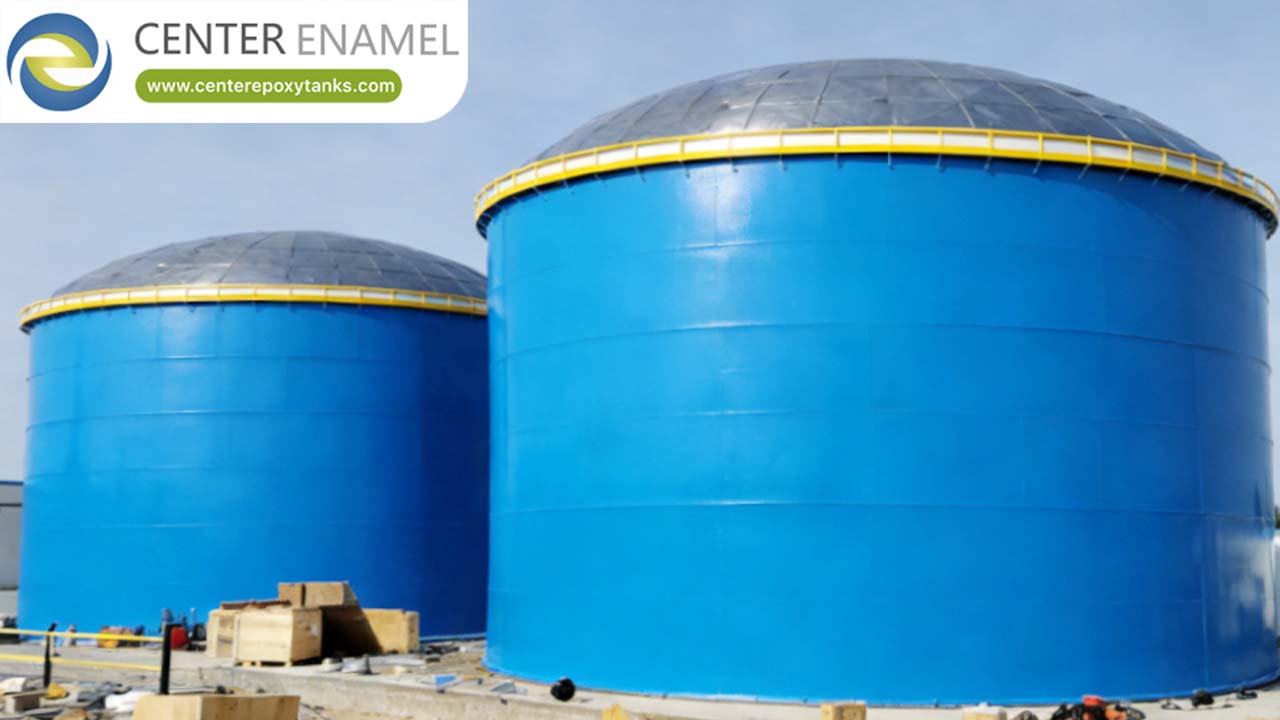
Robust Infrastructure: Welded Steel Tanks for Crude Oil Storage
Crude oil storage is the backbone of the global energy supply chain. Because crude oil is a complex, volatile, and high-value product, storage vessels must meet the most rigorous structural and environmental safety standards in the industry. Welded steel tanks—built strictly to API 650 specifications—are the preferred solution for crude oil terminal storage, offering the structural integrity and volume capacity required for modern energy logistics.
The Engineering Standard: API 650
In the oil and gas sector, the API 650 (American Petroleum Institute) standard is the definitive benchmark. It dictates the design, material selection, fabrication, and testing of welded steel tanks. Choosing API 650-compliant vessels ensures that your tanks can withstand:
Hydrostatic Pressure: The intense pressure exerted by large volumes of oil.
Seismic Activity: Structural designs capable of surviving significant ground movement.
Wind and Snow Loads: Engineering that accounts for the specific climate conditions of the storage terminal.
Performance Comparison: Storage Technologies
Feature | Welded Steel (API 650) | Bolted Steel | Concrete Reservoirs |
Primary Use | Large Crude/Fuel | Water/Biogas | Potable Water |
Pressure Tolerance | Very High | Moderate | Low |
Construction | Field-Welded (Seamless) | Modular (Bolted) | Poured-in-place |
Leakage Risk | Extremely Low | Low | Moderate (Cracking) |
Regulatory Fit | Global Standard | Industrial/Agri | Utility |
Critical Design Considerations for Crude Oil Storage
1. Floating Roof Systems
Crude oil has high volatility. To minimize evaporative losses (VOC emissions) and reduce fire hazards, large-scale welded crude tanks are almost universally equipped with Internal Floating Roofs (IFR) or External Floating Roofs (EFR). These systems provide a physical barrier between the crude oil surface and the vapor space, significantly improving safety and product volume retention.
2. Corrosion Mitigation
Crude oil often contains sediment, water, and acidic compounds (like sulfur). Our design approach incorporates:
Internal Lining: High-performance, chemically resistant epoxies or linings to prevent pitting and base metal corrosion.
Cathodic Protection: Active systems to prevent external corrosion of the tank bottom in contact with the foundation.
3. Foundation and Leak Detection
For large-diameter welded tanks, the foundation is as critical as the steel. We integrate advanced leak detection systems, such as double-bottom configurations with interstitial monitoring, to ensure that any potential breach is detected instantly, preventing environmental contamination.
4. Advanced Welding & NDT Testing
The "welded" aspect is the structural heart of the tank. We employ Non-Destructive Testing (NDT) protocols, including radiographic (X-ray) and ultrasonic weld inspection, to verify that every millimeter of the weld is as strong as the steel plate itself.
Frequently Asked Questions (FAQ)
Q: Why is welded steel preferred over bolted steel for crude oil?
A: Crude oil is generally stored in massive volumes requiring high structural pressure tolerance. Welded steel (API 650) provides a seamless, monolithic structure that is better equipped to handle the high static and dynamic loads of large-diameter oil tanks compared to bolted systems.
Q: What is the benefit of an Internal Floating Roof (IFR) for crude storage?
A: The IFR eliminates the "vapor space" above the oil. This drastically reduces the risk of fire, suppresses evaporation (which saves money), and ensures compliance with environmental regulations regarding Volatile Organic Compound (VOC) emissions.
Q: How do you prevent corrosion in welded crude tanks?
A: Corrosion is managed through a multi-layered approach: high-grade steel selection, certified internal coating systems designed for hydrocarbon exposure, and the installation of cathodic protection systems for the tank floor.
Q: Are these tanks earthquake-proof?
A: API 650 includes stringent seismic design requirements. We calculate the specific ground acceleration parameters for your location and reinforce the tank shell, anchors, and base accordingly to ensure seismic resilience.
Q: Can welded tanks be custom-built to specific capacity requirements?
A: Yes. Welded tanks are essentially custom-fabricated vessels. We engineer the diameter and height based on your footprint availability, volume requirements, and specific flow rate logistics.
Are you planning a new terminal expansion or an upgrade to your existing crude oil storage infrastructure? [Contact our engineering team] today for a technical consultation, capacity analysis, or custom design proposal tailored to your facility's requirements.
Expert Follow-Up Question: To best assist with your technical planning, are you currently in the preliminary design phase of a new storage terminal, or are you looking to re-certify or upgrade an existing tank farm to meet current safety standards?


